


UV Light Service in San Francisco, CA

UV Light in San Francisco, CA
Ultraviolet (UV) germicidal lights are a practical way to improve indoor air quality in San Francisco homes by targeting microbial growth inside HVAC systems. Coastal fog, mild year-round humidity, and older multifamily buildings in the Bay Area create conditions where mold, bacteria, and biofilm readily form on evaporator coils and inside ductwork. A properly specified UV light system reduces those biological contaminants, helps maintain system efficiency, and complements whole-house filtration for healthier indoor air.
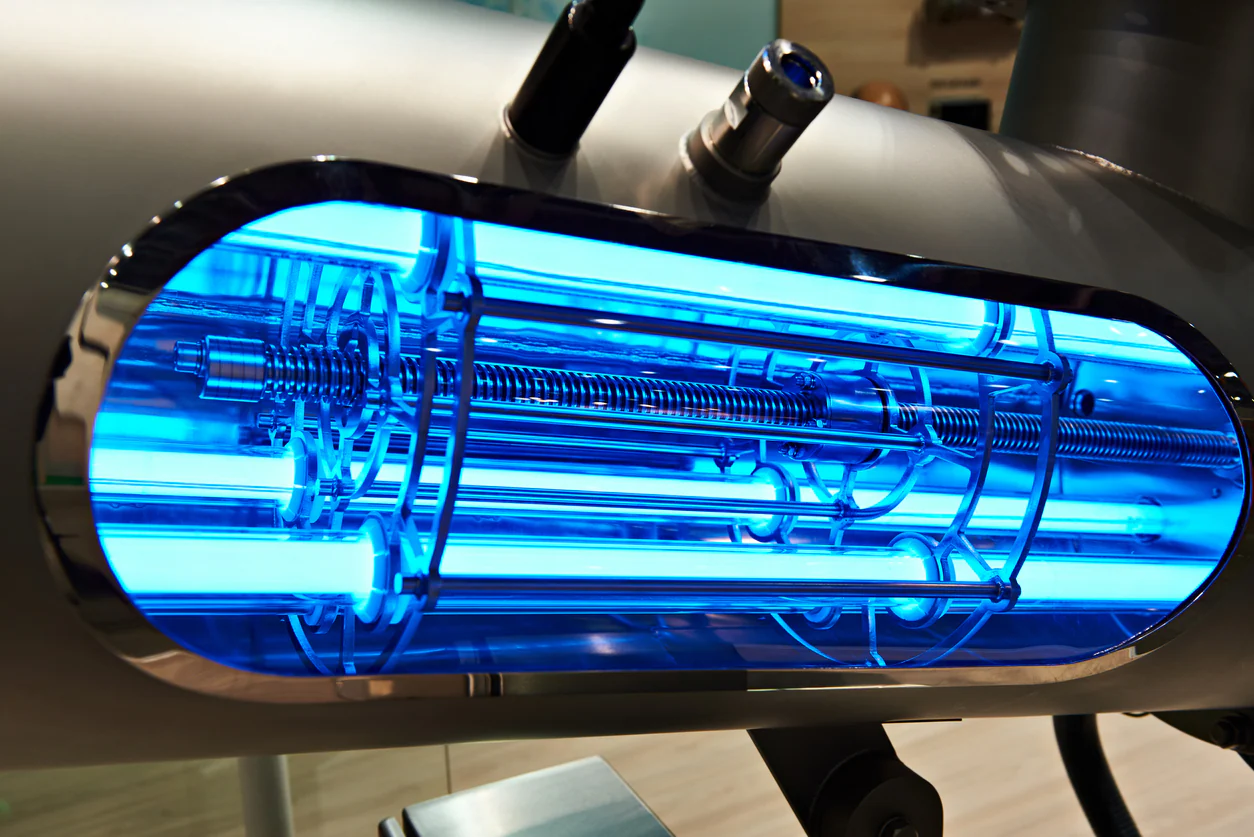
How UV Germicidal Lights Work and what they treat
UV germicidal lights emit UV-C wavelengths that inactivate microorganisms by damaging their DNA or RNA. In HVAC applications that means:
- Evaporator coil and drain pan treatment: UV prevents mold and biofilm buildup on the coil surface, improving heat transfer and reducing odors.
- In-duct air treatment: UV in the airstream can inactivate airborne bacteria and some viruses while air passes the lamp zone.
- Upper-room or localized UV: For commercial or high-occupancy spaces, upper-air UV reduces airborne transmission risk in the occupied zone.
UV is most effective against biological growth — mold, mildew, bacteria, and many viruses — but it does not remove dust, pollen, or other particulates. For full-spectrum indoor air quality improvements, UV is best paired with mechanical filtration.
Common UV Light installation types and compatibility
Understanding placement and compatibility helps select the right solution for San Francisco HVAC systems:
Coil-mounted UV (germicidal coil light)
- Installed near the indoor evaporator coil and drain pan.
- Best where recurring coil mold or persistent musty odors are present.
- Compatible with split systems, packaged units with accessible coils, and many retrofit situations where the coil is reachable in a closet, attic, or crawl space.
In-duct UV
- Installed inside ducts, typically downstream of the coil or in a return plenum.
- Designed for continuous treatment of moving air; useful in larger homes or systems with long duct runs.
- Requires adequate penetration length and proper lamp spacing relative to airflow.
Upper-air UV
- Mounted high on walls or ceilings in rooms with high occupancy or poor ventilation.
- More common in commercial settings but occasionally used in multiunit residential common areas.
Compatibility considerations:
- Access for installation and annual maintenance (lamp replacement and cleaning)
- Available electrical supply and space for ballasts or drivers
- Duct dimensions and airflow rates (higher airflow reduces contact time)
- Materials in the airstream (some plastics can degrade under UV exposure; proper placement avoids direct exposure to sensitive components)
Performance expectations in San Francisco homes
Expect tangible but specific outcomes rather than universal guarantees:
- Reduced microbial growth on coils and in drain pans, which decreases musty odors and reduces the need for frequent chemical coil cleanings.
- Restored system efficiency because cleaner coils transfer heat more effectively, which can translate into steadier comfort and potentially lower runtime.
- Lower microbial load in the treated airstream, particularly when contact time is sufficient (in-duct systems with higher exposure lengths and coil-mounted systems where air recirculates across treated surfaces perform best).
- Not a particle filter: UV does not capture dust or allergens. It does not replace filters or air cleaners for particulate removal.
Realistic expectations: UV reduces biological contamination and complements filtration and ventilation strategies. Its effectiveness for inactivating airborne pathogens depends on exposure time, lamp output, and airflow; it is not a stand-alone solution for all IAQ problems.
Maintenance, lamp replacement, and safety
Regular maintenance keeps UV systems effective and safe, especially in San Francisco where coastal salt air can accelerate fouling of lamps and fixtures.
Maintenance checklist:
- Lamp replacement: Most conventional mercury low-pressure UV lamps reach peak output for about 9 to 12 months. Manufacturers typically recommend annual replacement to maintain germicidal performance. UV-C LEDs have longer lifetimes but are still newer to market; follow specific manufacturer guidance.
- Cleaning: Clean lamp sleeves and fixture housings every 3 to 6 months, or more frequently in dusty or coastal environments, to prevent film buildup that reduces UV transmission.
- Ballast/driver checks: Inspect and test ballasts or electronic drivers during annual service visits; replace if dimming or failure is detected.
- Intensity monitoring: For critical applications, UV intensity sensors or dose meters can verify lamps are delivering adequate germicidal output.
- Disposal: Conventional UV lamps contain small amounts of mercury and must be disposed of according to local hazardous waste regulations in San Francisco; follow municipal guidance for lamp recycling.
Safety notes:
- UV-C light can harm skin and eyes. Lamps should be installed with appropriate shielding, interlocks, or housings to prevent occupant exposure.
- Use installers and technicians familiar with safe mounting and electrical requirements.
Combining UV with air cleaners and filtration
A layered approach yields the best indoor air quality:
- Filtration for particles: Use high-quality filters (proper MERV rating for the system) to capture dust, pollen, and pet dander. UV helps by reducing biological growth that can colonize filters and ducts.
- Whole-house air cleaners: Electronic air cleaners, HEPA systems in conjunction with UV can address both particulates and viable microbes. UV reduces microbial colonization on components and can extend the useful life and effectiveness of some air-cleaning technologies.
- Ventilation and humidity control: Especially in San Francisco where morning fog and marine layer can slightly raise indoor humidity, controlling humidity levels combined with UV reduces the conditions that foster mold.
Combined benefits:
- Fewer coil cleanings and less smell from mold
- Improved overall IAQ by attacking both airborne microorganisms and the surfaces that harbor them
- Potential for steadier system performance and reduced maintenance frequency when all layers are maintained
Signs your San Francisco home may benefit from UV
Consider UV if you notice:
- Persistent musty or mildew odors when the system runs
- Visible biological growth on the coil or drain pan during inspections
- Recurring coil cleanings required every season
- Allergy symptoms that seem to relate to the HVAC system, or occupants with sensitivities
- High-occupancy areas, shared ventilation in multifamily units, or older duct systems with chronic microbial issues
Final considerations
UV germicidal lighting is a targeted, proven strategy to reduce microbial growth inside HVAC systems and to support healthier indoor air in San Francisco homes. It works best as part of a comprehensive indoor air quality plan that includes proper filtration, regular HVAC maintenance, ventilation, and humidity control. When selecting and maintaining UV systems, prioritize correct placement, routine lamp replacement and cleaning, and safe installation to ensure sustained performance in the Bay Area climate and building types.
Service Areas

