


AC Installation in San Francisco, CA

AC Installation in San Francisco, CA
Choosing the right AC installation in San Francisco, CA matters more than ever. Our cooler summers, dense fog, and dramatic microclimates across neighborhoods create unique cooling needs for city homes. Whether you own a compact Mission flat, a multi-story Victorian, or a modern condo near the Embarcadero, a properly sized, code-compliant air conditioning system from Air Flow Pros improves comfort, reduces energy waste, and protects indoor air quality. We detail the full AC installation process from pre-installation assessment and load calculations to post-installation testing, warranty considerations, and typical timelines so you know what to expect and why each step matters for San Francisco homes.
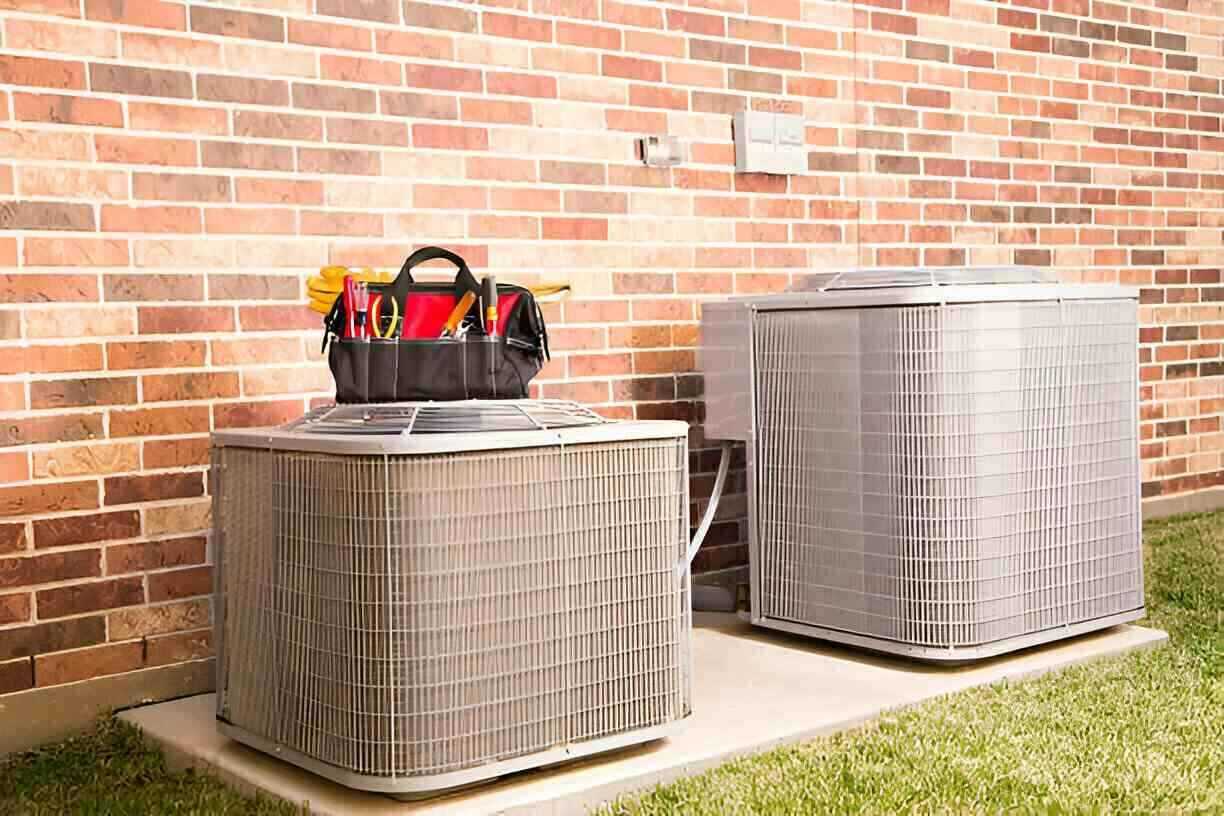
Why a local, professional AC installation matters in San Francisco
San Francisco presents special challenges for AC installation:
- Variable solar loads and cool nights mean systems can be oversized if not properly calculated.
- Older homes often have inefficient or non-existent ductwork and limited attic space.
- Local permitting and California energy codes require specific compliance steps.
- High electricity costs and strong local incentives make energy efficiency financially beneficial.
A tailored installation considers microclimates, building age and construction, and local codes to deliver a system that runs efficiently and reliably.
Common AC installation types and scenarios in San Francisco
- Central split systems for single-family homes with existing ductwork. Best when ducts are in good condition and adequate space exists for an outdoor condenser.
- Ductless mini-splits for converted flats, historic homes, or room additions where ductwork is impractical.
- Package rooftop systems for multifamily or light commercial properties where rooftop space is available.
- Heat pump systems that provide both efficient cooling and heating—important in San Francisco where mild heating needs can be met with electric heat pumps.
- Zoned systems and smart thermostats for multi-level homes and distinct microclimates within a single property.
Pre-installation home assessment and load calculations
Every professional AC installation begins with a detailed home assessment and heat load calculation (Manual J or equivalent). This includes:
- Measuring square footage, ceiling heights, window types, and orientation.
- Inspecting existing insulation, air sealing, and duct condition.
- Assessing internal heat gains from appliances, occupancy, and lighting.
- Accounting for San Francisco-specific factors like fog, wind exposure, and solar gain differences by neighborhood.
Accurate load calculations prevent oversized equipment, reduce short cycling, and optimize efficiency. Recommendations typically include the right capacity, equipment type (Trane and alternatives), and any needed building-envelope improvements.
Guidance on selecting energy-efficient Trane and other systems
Trane systems are known for reliability and efficiency, and they are a common recommendation for homeowners seeking longevity and quiet performance. Selection guidance includes:
- Comparing SEER and HSPF ratings for cooling and heating efficiency.
- Evaluating variable-speed compressors and communicating systems for better humidity control and comfort.
- Matching system features with home needs: high-efficiency condensers for energy savings, inverter-driven compressors for quieter operation, and compatible thermostats for zoning.
- Considering alternatives such as other ENERGY STAR models and ductless heat pump options for homes without ducts.
Factor in long-term operating costs and available local incentives when choosing equipment.
Ductwork and thermostat/zoning integration
Ductwork condition strongly influences installation scope:
- Common duct issues in older San Francisco homes include leakage, undersized runs, and poor insulation.
- Typical ductwork services during installation: sealing and insulation, resizing or adding return paths, and integrating zone dampers.
- Thermostat and zoning options: single-zone smart thermostats for simplicity, or multi-zone controls with motorized dampers for tailored comfort across floors and rooms.
- Zoning is especially valuable in San Francisco homes with varying sun exposure and room usage.
Permitting and compliance
Permits and inspections are required for most AC installations in San Francisco. Key points:
- Installations must comply with California Title 24 energy code and San Francisco Department of Building Inspection requirements.
- Permit process typically includes submittal of equipment specifications, load calculations, and installation plans.
- Historic district homes may have additional restrictions; alternatives like ductless systems are often used to preserve original fabric.
- Proper permitting protects warranty coverage and ensures safety and code compliance.
Step-by-step installation procedures and expected timelines
A typical AC installation workflow and timeline for San Francisco homes:
- Pre-installation assessment and proposal (1 to 3 days).
- Permit application and approval (variable, often several days to 2 weeks depending on jurisdiction and complexity).
- Site preparation (removal of old equipment, minor demolition if needed) (1 day).
- Mechanical installation: condenser placement, evaporator coil, refrigerant lines, and duct modifications (1 to 3 days).
- Thermostat setup and zoning integration (same day as mechanical or next day).
- Final commissioning and inspection scheduling (1 day plus inspector availability).
Overall timeline from assessment to final inspection typically ranges from 1 to 3 weeks for most residential installs, longer when complex ductwork or historic approvals are required.
Post-installation testing and commissioning
After installation, thorough testing ensures performance and efficiency:
- Refrigerant charge verification and leak check.
- Airflow measurement and static pressure testing.
- Thermostat calibration and zone balancing.
- Duct leakage and supply/return balancing where applicable.
- System diagnostics run through multiple cycles to verify reliability.
Technicians should provide a commissioning report documenting the tests performed and baseline performance metrics.
Warranty and financing options
Understanding warranty coverage helps protect your investment:
- Manufacturer warranties (Trane and others) typically cover parts for a defined period; compressors often have extended coverage.
- Contractor workmanship warranties cover labor and installation practices; these vary by installer.
- Extended warranties and service agreements are commonly available for ongoing protection.
- Financing options and local rebates or utility incentives may be available to offset upfront costs, especially for high-efficiency systems and heat pumps.
Benefits and maintenance advice
A properly installed AC system delivers better comfort, lower energy bills, and longer equipment life. For San Francisco homes:
- Regular maintenance: seasonal tune-ups, filter changes, and duct inspections keep the system running efficiently.
- Addressing air sealing and insulation improves comfort and reduces cooling demand.
- Consider programmable or smart thermostats and zoning to adapt to microclimates and occupancy patterns.
An informed, code-compliant AC installation tailored to San Francisco conditions ensures comfort, efficiency, and peace of mind for years to come.
Service Areas

