


Heating Installation in San Francisco, CA

Heating Installation in San Francisco, CA
An efficient, reliable heating system keeps your San Francisco home comfortable through cool, foggy mornings and damp evenings. Heating installation with Air Flow Pros in San Francisco, CA focuses on matching the right equipment to your home’s layout, the unique Bay Area microclimates, and local code requirements. This ensures you enjoy consistent comfort, lower operating costs, and long-term reliability. You'll receive a clear, expert overview of the full installation process, what to expect, and how we expertly address the typical challenges San Francisco homes present.
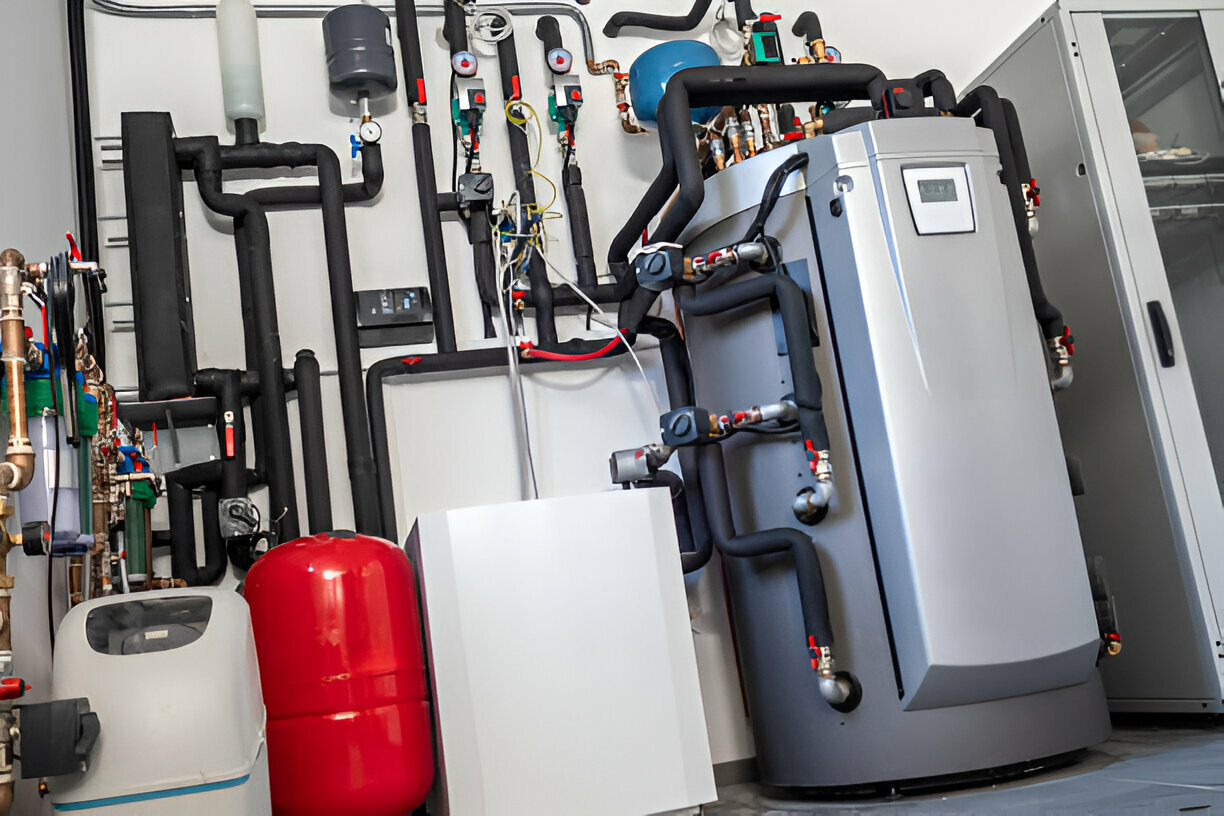
Why a tailored heating installation matters in San Francisco
San Francisco’s mild coastal climate and pronounced microclimates mean heating is often about maintaining even comfort and controlling humidity rather than coping with extreme cold. Many homes are older, multistory, or have limited existing ductwork, which affects equipment selection. Energy regulations in California and local permitting also influence system choices. A customized installation ensures the equipment is properly sized, ventilated, and integrated to deliver comfort without wasted energy.
Common heating installation needs and issues in San Francisco homes
- Older homes with undersized or leaky ductwork requiring duct replacement or retrofit
- Multi-level layouts with uneven temperatures that benefit from zoning or multi-stage systems
- Preference for high-efficiency heat pumps or Trane gas furnaces to maximize efficiency in mild climates
- Limited outdoor space or aesthetic restrictions for exterior equipment placement
- Need for thermostat integration for smart controls and compatibility with home automation
- Permitting and inspection coordination with San Francisco building authorities
Initial home assessment and accurate load calculations
Proper installation begins with a thorough home assessment and Manual J load calculation to determine the correct system size. This includes:
- Measuring square footage, insulation levels, window types, orientation, and infiltration
- Evaluating existing ductwork and airflow using duct leakage and static pressure tests
- Considering occupancy, thermostat placement, and desired comfort levels
- Recommending equipment capacity and type based on calculated heating loads
Accurate sizing avoids common problems like short cycling, high energy bills, and uneven comfort.
Recommended energy-efficient equipment with Trane options
For San Francisco installations, energy efficiency and quiet operation are priorities. Typical recommendations include:
- High-efficiency Trane heat pumps suited for coastal climates, offering electric heating and cooling in one system
- Trane modulating gas furnaces for homes that require supplemental gas heat, delivering smoother, more consistent warmth
- ENERGY STAR rated options for reduced energy use and lower operating costs
- Ductless mini-splits for rooms without ductwork or for historic homes where preserving structure is important
Equipment selection also factors in noise, footprint, and available utility incentives.
Ductwork, zoning, and thermostat integration
- Ductwork: If ducts are undersized or leaky, we outline options for sealing, insulation, or full replacement. Proper duct design (Manual D) ensures balanced airflow and better efficiency.
- Zoning: Installing motorized dampers and multiple thermostats divides your home into zones, so you heat only occupied spaces and eliminate hot or cold spots.
- Thermostat integration: Modern Wi-Fi thermostats and Trane compatibility options enable smart scheduling, adaptive learning, remote control, and integration with zoning systems. We verify compatibility and program thermostats for optimal performance.
Installation timeline and what to expect on install day
Typical timeline:
- Planning and permits: 1 to 2 weeks depending on permit processing and complexity
- Installation day(s): 1 to 3 days for a standard furnace or heat pump swap; more for extensive ductwork, zoning, or custom piping
What to expect on install day:
- Arrival of a trained installation crew with truck-mounted equipment and safety gear
- Protection of floors and furniture, containment of work areas, and clear communication of the scope
- Safe removal and disposal of old equipment per local regulations
- Installation of new equipment, duct modifications, venting work, gas piping or refrigerant lines as needed
- Coordination for inspections by the City and any required utility pre-checks
Install teams adhere to local codes, seismic bracing standards where required, and manufacturer installation guidelines.
Warranty, financing, and incentives
- Manufacturer warranties: Trane and other major brands include limited manufacturer warranties that cover parts for a specified period when equipment is registered. Warranty terms vary by model.
- Labor and extended warranties: Many installation packages include a labor warranty for a set period, with extended options available for additional coverage.
- Financing and incentives: Local financing plans and manufacturer financing options are commonly available to spread installation costs. Homeowners may also qualify for energy efficiency rebates or incentives from regional programs and utilities. We provide guidance on typical requirements and documentation needed for rebates or tax credits.
Post-installation testing and customer walkthrough
A comprehensive installation includes thorough testing and a final walkthrough:
- Performance testing: Verify proper airflow, system pressures, refrigerant charge for heat pumps, and combustion analysis for gas furnaces where applicable
- Safety checks: Test carbon monoxide levels, gas tightness, and proper venting
- Controls verification: Confirm thermostat programming, zoning operation, and Wi-Fi connectivity
- Efficiency tuning: Adjust blower speeds and setpoints to match calculated loads
- Walkthrough: Demonstrate system operation, explain filter and maintenance schedules, show warranty registration steps, and provide clear documentation
This hands-on walkthrough ensures you understand system operation and maintenance needs.
Long-term benefits and simple maintenance tips
A professionally installed, correctly sized heating system delivers:
- More consistent comfort across San Francisco microclimates
- Lower energy bills through properly matched equipment and reduced cycling
- Improved indoor air quality when paired with filtration and ventilation upgrades
- Extended equipment life through optimized installation and startup procedures
Simple maintenance to protect your investment:
- Replace filters regularly and use the correct MERV rating for your system
- Schedule annual tune-ups for heating performance and safety checks
- Monitor thermostat schedules and review zone settings seasonally
- Inspect outdoor equipment clearances and keep condensate lines clean
A well-planned Heating Installation in San Francisco, CA accounts for local building characteristics, climate patterns, and efficiency goals to deliver reliable comfort and lower operating costs for years to come.
Service Areas

