


Thermostat Installation in San Francisco, CA

Thermostat Installation in San Francisco, CA
An accurately selected and professionally installed thermostat is one of the simplest upgrades that can deliver noticeable comfort and energy savings in San Francisco homes. With the city's microclimates, mild but variable temperatures, and a mix of older and modern HVAC equipment, the right thermostat setup matters more here than in many other regions. Air Flow Pros can help you choose a system that fits your home.
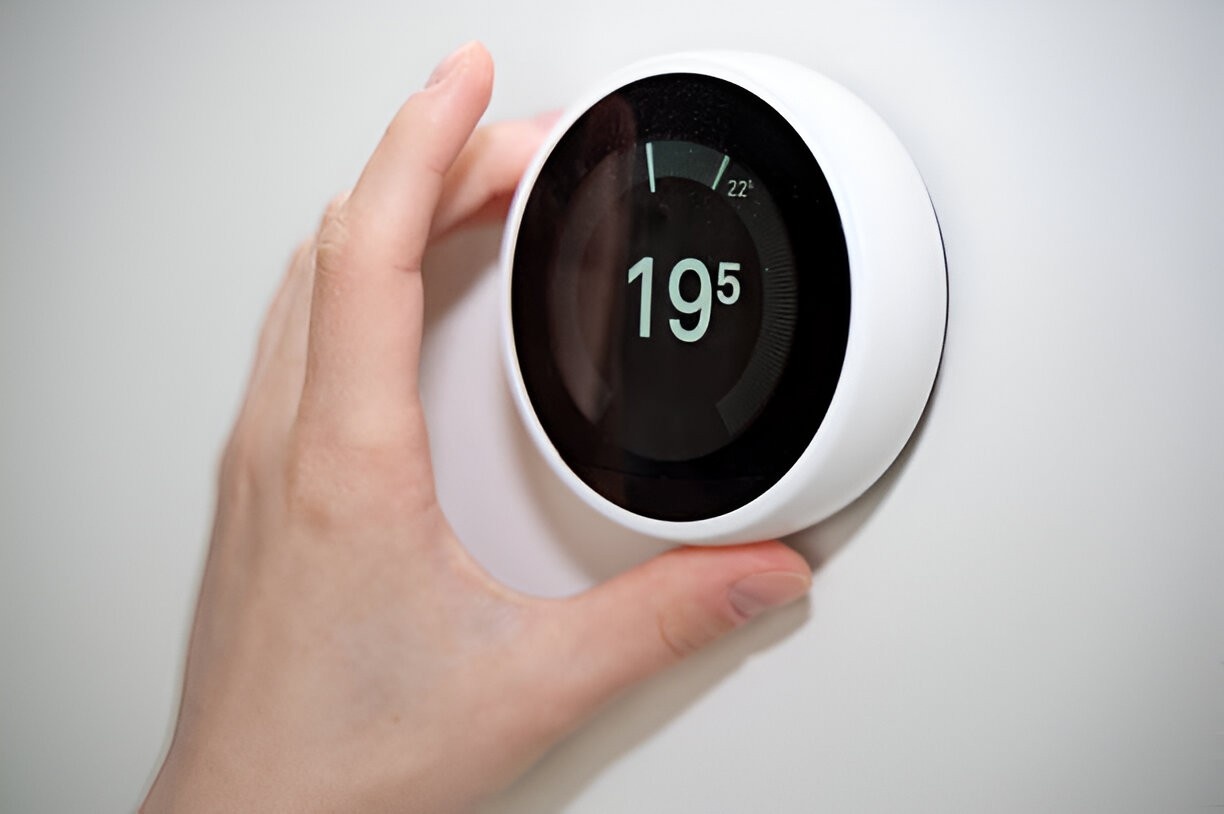
Why proper thermostat installation matters in San Francisco homes
San Francisco neighborhoods often experience dramatic temperature swings block to block because of fog, sun exposure, and elevation. A single thermostat in a poor location can cause rooms on the sunny side to overcool while foggy areas remain too warm. Incorrect wiring, missing power supplies, or an incompatible thermostat type can also lead to short cycling, poor humidity control, and higher energy bills. Professional installation ensures the thermostat is compatible with your system and calibrated for local conditions so it controls comfort accurately.
Common thermostat types and common San Francisco issues
- Conventional thermostats: Simple heat/cool controls used on single-stage systems. Common in older homes with basic furnaces or air conditioners.
- Programmable thermostats: Schedule-based devices that reduce runtime when a home is unoccupied. These perform well in neighborhoods where residents follow a regular schedule.
- Smart Wi-Fi thermostats: Offer remote control, learning schedules, and energy reports. They depend on reliable home Wi-Fi and often need a C-wire or power adapter for stable operation.
- Heat pump and multi-stage system interfaces: Require specific settings for O/B reversing valves and staging to match heat pump behavior.
Common issues in the area:
- Missing or inadequate C-wire in older wiring bundles
- Incompatibility with communicating HVAC systems
- Poor thermostat placement near windows, kitchens, or unconditioned space
- Need for zoning in larger or multi-level houses to handle microclimates
System compatibility checks before installation
A professional installer will perform a comprehensive compatibility assessment that typically includes:
- Identifying HVAC equipment type: single-stage, multi-stage, heat pump, dual fuel, or communicating systems
- Inspecting thermostat wiring for presence of common (C) wire and proper conductor labeling
- Confirming control voltages (24V low-voltage vs line-voltage systems)
- Reviewing zoning panel requirements or multiple zone thermostats if present
- Checking for smart thermostat network needs and Wi-Fi signal strength at the proposed thermostat location
- These checks prevent incorrect thermostat selection and unexpected wiring fixes during installation.
Professional wiring and setup process
Correct wiring and setup are key to reliable operation. The typical process includes:
- Power off the HVAC system at the breaker and verify safety
- Remove the old thermostat and carefully label each wire
- Test voltages and continuity to identify the C-wire and any unused conductors
- Install a C-wire or power extender kit when needed for smart thermostats
- Mount the new thermostat at an optimal location away from drafts, direct sun, and kitchens
- Configure system type, number of stages, and heat pump O/B options
- Connect to Wi-Fi and update firmware for smart thermostats, then pair with any zone controllers or communicating equipment
- Run system tests for heating, cooling, fan operation, and staging to confirm correct responses
- Record final wiring and configuration details for homeowner reference
- Professional wiring eliminates intermittent faults, prevents short cycling, and ensures safety.
Zoning and multi-stage system considerations
Zoning is highly relevant in San Francisco because of temperature variability between sun-exposed and foggy sides of a home, as well as between levels. Key points:
- Zoning uses dampers and multiple thermostats to control different areas independently for consistent comfort
- Multi-stage HVAC systems and variable-speed equipment require thermostats capable of staging and communicating precise control signals
- Proper installation includes coordinating the thermostat with zone control panels and verifying damper response and system balancing
- When correctly set up, zoning reduces energy waste from overconditioning and improves comfort in homes with diverse thermal zones.
Demonstration and homeowner training
A vital part of professional installation is showing homeowners how to use their new thermostat effectively:
- Walk through schedule creation, temporary holds, and vacation modes
- Explain fan operation settings and when to use them for air circulation
- Demonstrate remote control via smartphone apps and show how to read energy reports if available
- Provide quick troubleshooting tips like resetting, checking Wi-Fi, and interpreting common error codes
- Clear instruction ensures the thermostat delivers the expected comfort and efficiency benefits.
Warranty, documentation, and local incentives
Typical installation practice includes providing:
- Manufacturer warranty information for the thermostat
- Installer documentation listing wiring, settings, and system type
- Recommendations for service intervals and any installation warranty coverage
- San Francisco residents may also find local utility programs or rebates for high-efficiency thermostats and controls; installers can document equipment details and serial numbers for potential incentive applications.
Tips for optimizing comfort and efficiency in San Francisco, CA
- Use programmable schedules to reduce conditioning when the home is unoccupied
- Place thermostats on an interior wall away from direct sun and drafts to avoid false readings
- Consider zoning for multi-level homes or properties with strong microclimates
- Keep firmware updated on smart thermostats for best performance and security
- Combine thermostat scheduling with proper HVAC maintenance and filter changes to maintain efficiency
- Use moderate setpoints and rely on fans during milder periods to save energy in the generally temperate climate
Service Areas

