


Mini-Split Service in San Francisco, CA

Mini-Split in San Francisco, CA
Ductless mini-split systems are an efficient, flexible way to bring zoned comfort to San Francisco homes without tearing out walls or installing ductwork. Whether you live in a foggy Sunset neighborhood, a warm-Microclimate pocket in the Mission, or a multi-story Victorian, a properly designed mini-split gives precise temperature control, quiet operation, and the ability to heat and cool individual rooms independently. This page explains how mini-splits work, why they are a strong fit for San Francisco homes, the assessment and installation process, common issues and solutions, energy savings and rebate considerations, and ongoing maintenance needs.
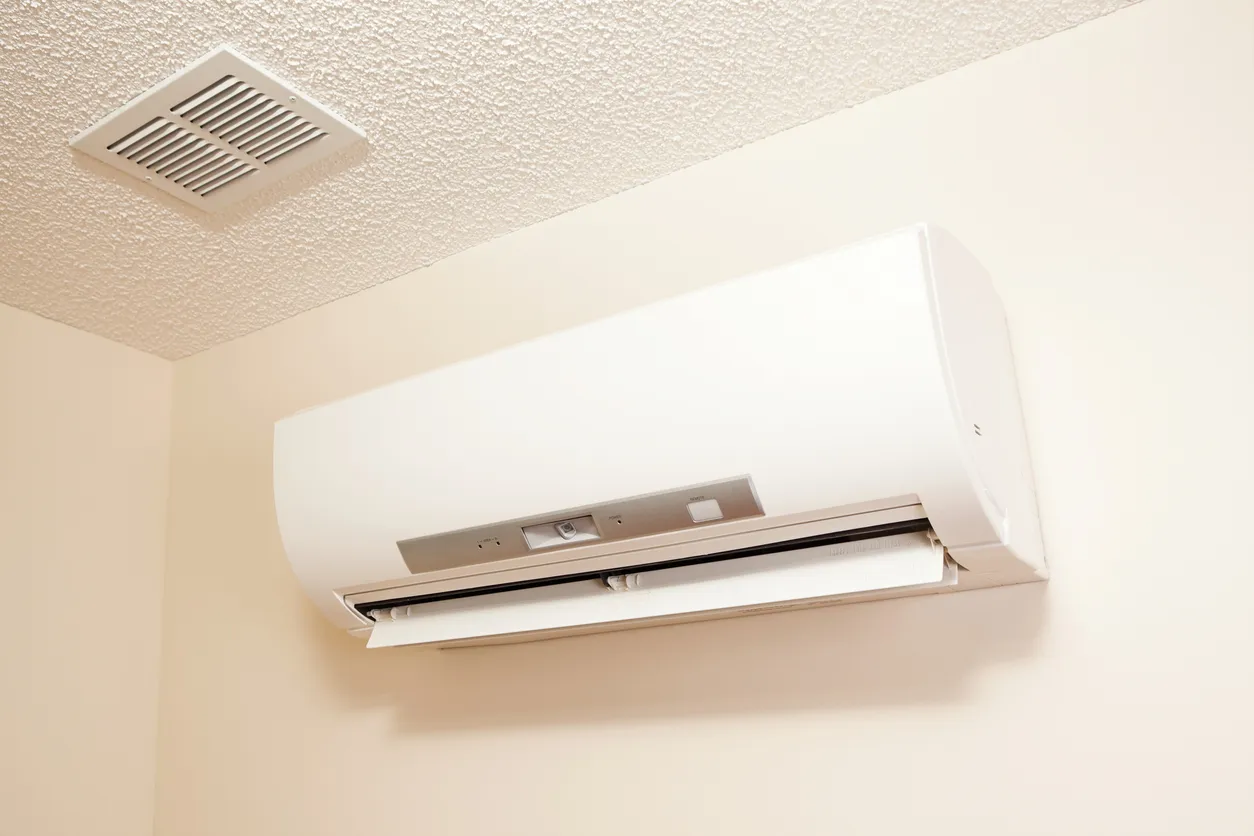
Why choose a ductless mini-split in San Francisco, CA
- Zoned comfort: Control temperature room-by-room so you avoid over-conditioning areas you rarely use. This is especially helpful in San Francisco where sunny microclimates and shaded, foggy areas can exist within a single home.
- No ductwork required: Many Bay Area homes are older and were not built with ducts. Mini-splits install with small refrigerant lines rather than full duct runs, making them ideal for retrofits and historic homes.
- Heat pump technology: Most mini-splits are heat pumps, providing efficient heating in cool coastal winters and cooling on warmer inland days, replacing separate furnace and AC systems.
- Quiet, compact indoor units: Slim wall-mounted, ceiling cassette, or floor-recessed heads blend into tight San Francisco interiors without taking up valuable living space.
- Multi-zone capability: One outdoor unit can serve multiple indoor heads, giving tailored comfort across bedrooms, additions, and converted attic or garage spaces.
Common mini-split applications in San Francisco
- Room additions and sunrooms where extending ducts is impractical
- Retrofits of Victorian, Edwardian, or bungalow homes with no existing ducts
- Individual apartments, guest suites, or ADUs that need independent control
- Rooms with unique load needs like home offices, media rooms, and kitchen remodels
- Supplemental heating in rooms that are consistently colder due to location or exposure
Typical problems San Francisco homeowners face and how mini-splits solve them
- Uneven heating and cooling across floors: Use multi-zone mini-splits to set different temperatures for each bedroom or living area.
- No ductwork or restrictive attic space: Mini-splits require only a 3-inch hole for refrigerant and condensate lines, preserving historic fabric.
- High energy use from electric resistance heat: Heat pump mini-splits are far more efficient than electric baseboard heat and can significantly lower operating costs.
- Noise and aesthetic concerns: Modern indoor heads run quietly and have low visual impact compared with window units or bulky ductwork.
Site assessment and proper sizing
A successful mini-split installation starts with a professional site assessment and accurate sizing:
- Load calculation: Technicians perform a room-by-room heat loss and gain calculation that accounts for San Francisco’s microclimates, insulation levels, window orientation, and occupancy patterns.
- Placement planning: Assessment includes identifying ideal indoor head locations for balanced airflow and minimal obstruction, and locating the outdoor unit to minimize noise and maximize airflow while complying with building codes.
- Line set and electrical planning: Evaluates the shortest practical refrigerant line runs, electrical panel capacity, and circuit requirements. Older San Francisco homes may need panel upgrades or new breakers to meet modern code.
- Permit and HOA review: Many installations require city permits; historic districts or HOAs may have placement or appearance rules. The assessment phase identifies those constraints early.
Installation process - what to expect
- Preparation: Mark indoor unit locations, determine outdoor condenser placement, and plan line routes that minimize wall penetrations.
- Mounting indoor heads: Install brackets or recessed mounts for wall, cassette, or floor units. Run refrigerant lines, condensate drain, and communication wiring through a small hole.
- Outdoor unit placement: Secure the condenser on a pad, bracket, or rooftop location that provides clearance and minimizes vibration and noise transfer.
- Refrigerant connection and evacuation: Technicians braze or flare connections, vacuum the lines to remove moisture and air, and charge the system to the proper level.
- Startup and balancing: System is started, airflow and temperatures are balanced across zones, and controls (including optional WiFi thermostats) are configured.
- Final inspection and permits: Installers often coordinate required inspections and provide startup documentation and operating guidance.
Energy savings and rebate considerations
- Efficiency gains: Mini-splits use inverter-driven compressors and heat pump technology to modulate output and avoid constant on-off cycling, improving efficiency and comfort. For many San Francisco homes, that translates to noticeable utility savings compared with older central systems or electric resistance heat.
- Incentives: California, local utilities, and state efficiency programs often offer rebates or incentives for qualifying heat pump mini-splits and energy-efficient installations. Eligibility depends on system efficiency ratings, installation details, and local program rules. Documentation from professional sizing and installation helps support rebate applications.
Maintenance needs and reliability
Regular maintenance keeps a mini-split running efficiently and prevents common issues:
- Indoor unit care: Clean or replace washable filters monthly to maintain airflow and indoor air quality. Wipe coils and inspect for dust buildup seasonally.
- Outdoor unit care: Keep the condenser clear of leaves, dirt, and debris. Ensure adequate airflow and check for corrosion in coastal areas.
- Annual service: A qualified technician should inspect refrigerant charge, electrical connections, condensate drains, and coil condition annually. Early detection prevents leaks, reduces energy loss, and extends system life.
Common issues and fixes:
- Poor airflow from an indoor head: Check filters, verify blower operation, and confirm unobstructed airflow paths.
- Short cycling or inefficiency: Often due to incorrect sizing or thermostat settings; a system tune-up and control check will correct operation.
- Condensate problems: Ensure proper drain slope and trap configuration to avoid leaks and mold.
- Communication errors between indoor and outdoor units: Diagnosed with system controls and wiring checks.
Final considerations for San Francisco homes
Mini-splits are especially well-suited to San Francisco’s diverse housing stock and variable climate. They offer targeted comfort for rooms that need it most, reduce the disruption of a full duct retrofit, and can be combined with smart controls for efficient, modern operation. Proper load calculation, careful placement, compliance with local permits, and routine maintenance ensure the system performs reliably and delivers the expected energy and comfort benefits in Bay Area homes. For homeowners considering an addition, retrofit, or targeted comfort upgrade, a professionally assessed and installed mini-split is an effective long-term solution.
Service Areas

