


Whole House Dehumidifiers in Palo Alto, CA

Whole House Dehumidifiers in Palo Alto, CA
Excess indoor moisture isn't just an occasional annoyance; if left unchecked, it can lead to mold growth, musty odors, warped floors, and even aggravate allergies. In Palo Alto homes, where energy-efficient construction and marine-influenced humidity can combine to trap moisture indoors, a properly sized whole house dehumidifier is a game-changer. It protects your property and boosts your comfort year-round. Air Flow Pros can help you explore the best systems available, explain how they integrate with your existing HVAC, detail what installation and maintenance involve, and share the typical improvements in indoor air quality and energy considerations you can expect. We also offer options for ongoing service to keep your system running perfectly.
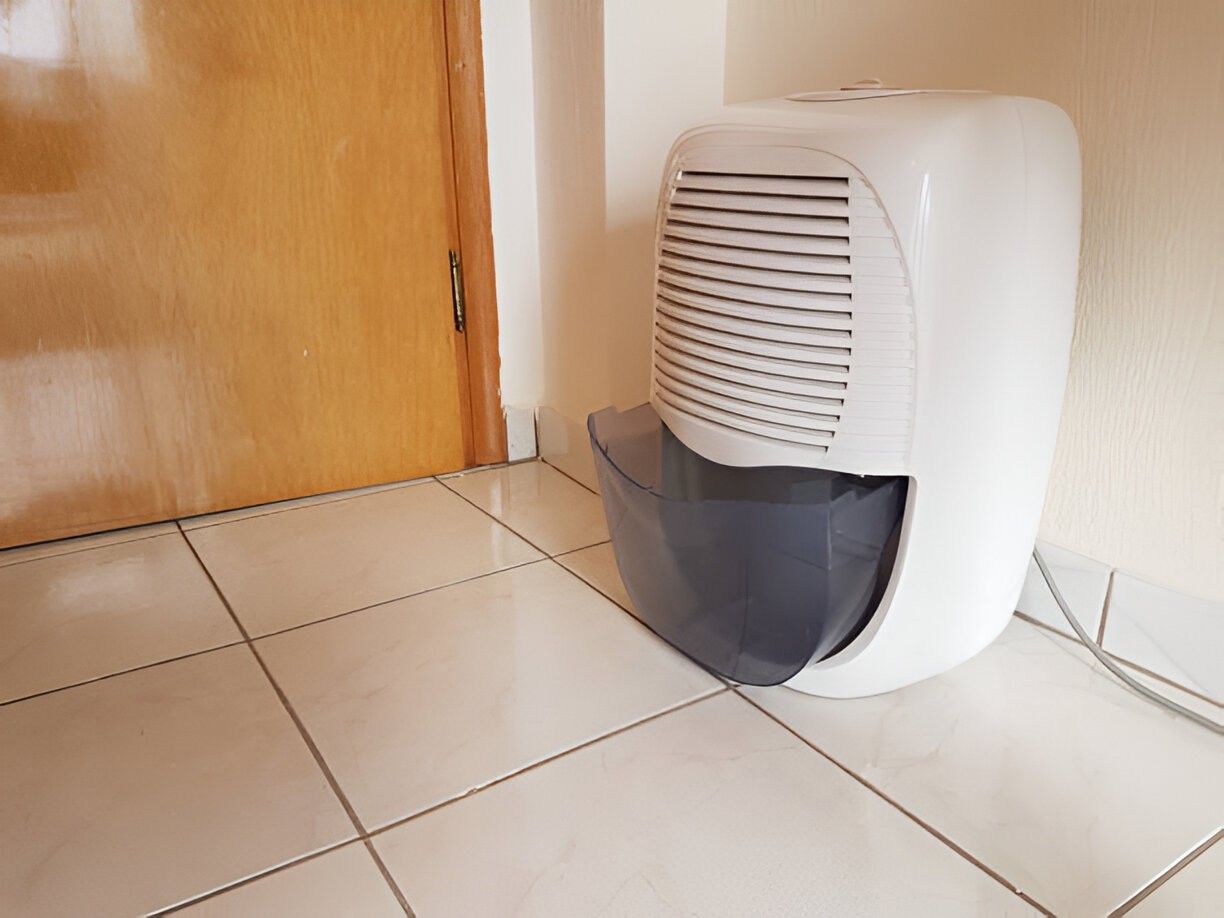
Why whole house dehumidification matters in Palo Alto
Palo Alto sits in a mild Mediterranean climate with marine layers and seasonal humidity spikes. Even when outdoor conditions feel comfortable, indoor relative humidity can rise due to showers, cooking, laundry, irrigation, and occupants. Modern, well-sealed homes reduce uncontrolled airflow, which is great for energy bills but can trap moisture. Common consequences of elevated indoor humidity include:
- Visible condensation on windows and cold surfaces
- Peeling paint, swollen trim, and warped hardwood floors
- Musty odors and increased mold growth in closets, attics, and behind walls
- More dust mites and worsening allergy or asthma symptoms
For most Bay Area homes the target indoor relative humidity is about 40 to 50%. Maintaining humidity in this range improves perceived comfort and protects building materials and personal belongings.
Common whole-house dehumidifier types and when to choose them
Whole-house solutions fall into a few categories. Choosing the right one depends on your home size, typical indoor humidity levels, and how your HVAC is configured.
- Ducted refrigerant dehumidifiers: These are the most common residential choice. Installed alongside or inside the air handler, they remove moisture by cooling air and condensing water, then reheating the air slightly before it returns to the home. Best for typical Palo Alto homes with central HVAC.
- Bypass (or split) whole-house units: These mount in the return duct and use a small duct route to the air handler. They are space-efficient and work well when the main furnace or air handler has limited cabinet space.
- Desiccant dehumidifiers: Use chemical absorbents to pull moisture from air. More effective at lower temperatures and in specialty applications, but generally less common for standard Palo Alto residences.
- Dedicated ducted units for high-moisture situations: For homes with ongoing water intrusion, indoor pools, or severe mold problems, higher-capacity units sized for increased throughput are used.
Sizing and integration with existing HVAC systems
Proper sizing is critical. An undersized unit will never maintain the set humidity during peak conditions; an oversized unit may short-cycle and waste energy.
Typical professional assessment includes:
- Measuring current whole-house relative humidity at multiple locations and times of day
- Evaluating square footage, ceiling heights, and occupancy levels
- Identifying moisture sources (bathrooms, kitchens, crawlspace, irrigation)
- Reviewing existing HVAC capacity, airflow (CFM), and duct layout
Technicians perform a moisture load calculation to recommend a unit rated for the correct moisture removal (pints per day or liters per day). Integration options include mounting in the return plenum, inline ducted installations, or packaged units in mechanical closets. Controls usually connect to your thermostat or use a dedicated humidistat; modern systems can be set to maintain a target RH and staged to work with your air conditioner to optimize dehumidification.
Installation and maintenance requirements
Installation steps commonly include:
- Selecting a location (air handler, return plenum, or dedicated closet)
- Installing a drain connection (gravity drain to floor drain or condensate pump if no drain is available)
- Wiring the dehumidifier to the HVAC controls and power supply
- Sealing and insulating ducts where the unit interfaces to prevent condensation and ensure balanced airflow
- Commissioning the control settings and verifying performance
Routine maintenance keeps performance consistent and prevents failures:
- Clean or replace the dehumidifier filter per manufacturer schedule
- Inspect and clear condensate drains and traps to prevent backups
- Clean coils and check for scale or debris buildup
- Verify humidistat calibration and control wiring
- Annual professional inspection to check electrical connections, airflow, and overall operation
Many whole-house models require only straightforward seasonal checks; addressing drains and filters quarterly is a common homeowner task.
Typical outcomes for indoor air quality and building protection
When properly specified, installed, and maintained, whole-house dehumidifiers deliver measurable benefits:
- Reduced mold and mildew risk in walls, attics, and closets
- Elimination of persistent musty odors
- Less condensation on windows and surfaces, minimizing paint and trim damage
- Improved comfort allowing you to set thermostats slightly higher with the same comfort level
- Fewer allergens such as dust mites, improving symptoms for sensitive occupants
- Protection for wooden floors, musical instruments, electronics, and stored items
Most homeowners notice these improvements within days to weeks as indoor humidity stabilizes in the desired range.
Energy use and efficiency considerations
Dehumidification requires energy, but whole-house systems integrated with your HVAC are typically more efficient than running multiple portable units. Efficiency considerations:
- Choose ENERGY STAR rated or high-efficiency models when available
- Controls matter: smart humidistats and integration with the air conditioner can reduce runtime by using coordination strategies
- Proper sizing avoids unnecessary runtime and energy waste
- Regular maintenance (clean filters, clear drains) keeps the unit operating efficiently
Because Palo Alto temperatures are moderate, dehumidification often consumes less energy here than in hot, humid climates; however, efficiency still depends on unit selection, control strategy, and home moisture sources.
Service agreements, routine checks and scheduling options
For reliable, year-round performance, a routine service plan is recommended. Typical agreement features include:
- Annual or semi-annual inspections covering filter change, coil cleaning, drain line check, and control calibration
- Priority scheduling for repair calls during high-demand months
- Discounted labor or parts for covered repairs
- Seasonal tuning to adjust setpoints based on outdoor conditions and occupancy changes
A professional technician will customize the maintenance cadence to your unit type, home occupancy patterns, and local conditions in Palo Alto.
Whole-house dehumidification is a long-term investment in comfort and building health. With the right system, properly integrated controls, and consistent maintenance, homeowners in Palo Alto can expect improved indoor air quality, fewer moisture-related repairs, and a more comfortable living environment year round.
Service Areas

