


Thermostat Repair in Palo Alto, CA

Thermostat Repair in Palo Alto, CA
A malfunctioning thermostat can mean uneven temperatures, higher energy bills, or a system that will not turn on when you need it most. For homeowners in Palo Alto, CA, where seasonal swings and a mix of older and high-efficiency HVAC systems are common, timely thermostat repair keeps your home comfortable and helps protect expensive equipment. Air Flow Pros can help you choose a system that fits your home.
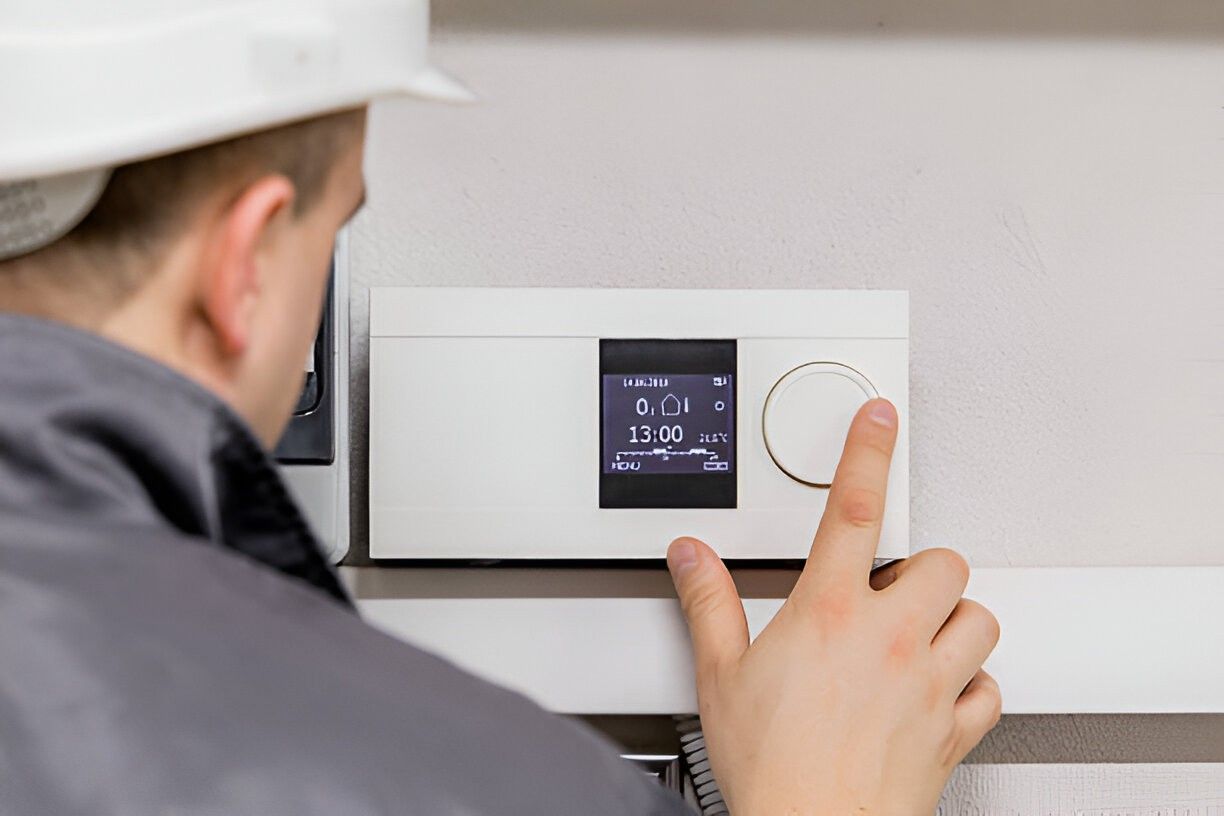
Why thermostat performance matters in Palo Alto homes
Palo Alto’s Mediterranean climate brings warm summers and cool, damp winters. Many homes use a combination of central air, heat pumps, and gas furnaces. Thermostats are the central control for those systems. A failing thermostat can cause:
- Overwork of heating or cooling equipment during peak summer or winter days
- Poor humidity control in coastal nights and cooler mornings
- Frustration with smart thermostat connectivity in tech-forward homes
- Repairing thermostat faults quickly preserves comfort, improves energy efficiency, and reduces wear on equipment.
Common thermostat issues in Palo Alto
Most thermostat calls fall into a few predictable categories. Local trends we see include smart device connectivity problems and older homes with wiring gaps.
Sensor faults
- Internal temperature sensors that read incorrectly or drift over time
- Inconsistent readings between rooms when thermostats are poorly located
Wiring problems
- Missing or damaged common C wire causing intermittent power or reboot loops
- Loose terminals, corroded wires, or rodent damage in older crawlspaces and attics
Calibration errors
- Thermostat reading differs from actual room temperature resulting in short cycling or extended run times
Power and battery issues
- Dead batteries, weak power stealing on digital units, or failed internal power supplies
Software, connectivity, and firmware
- Smart thermostats failing to connect to home Wi-Fi, cloud services, or HVAC control systems
- Firmware bugs after updates or integration issues with home automation systems
Relay or control signaling failures
- Thermostat not sending correct call-for-heat or call-for-cool signals, or sending continual calls causing system to lock out
What a professional diagnostic visit includes
A thorough on-site diagnosis separates minor fixes from root causes. Expect a local technician to perform step-by-step troubleshooting such as:
- Visual inspection and documentation of the thermostat model, wiring, and mounting location
- Battery and power checks, including C wire voltage verification
- Sensor tests: comparing thermostat reading to a calibrated thermometer over time
- Communication checks for smart devices: Wi-Fi signal strength, app connectivity, and firmware version
- Control system verification: confirming the thermostat sends proper signals to the furnace, heat pump, or air handler and checking HVAC response
- System-level checks if necessary: brief equipment run to observe starting behavior, short cycles, or unusual noises
- Photographs or clear notes of any unsafe wiring, damaged components, or code compliance issues
Technicians use diagnostic findings to recommend a targeted repair plan or, if appropriate, replacement options.
On-site troubleshooting steps you may see
Technicians typically start with simple, noninvasive steps that often restore reliable operation the same day:
- Replace batteries and reboot the thermostat
- Tighten terminal screws and re-seat wiring connectors
- Install or repair a common wire adapter if the thermostat lacks a dedicated C wire
- Adjust temperature offset or recalibrate the internal sensor
- Update thermostat firmware and reauthorize smart integrations
- Move or suggest relocation if thermostat placement causes false readings (near windows, ovens, or direct sunlight)
These steps resolve a substantial portion of thermostat service calls in Palo Alto, especially for smart thermostats experiencing connectivity or power issues.
Repair versus replacement: making the right choice
Deciding whether to repair a thermostat or replace it depends on several factors:
- Age and reliability: If the thermostat is older than 10 years or has multiple recurring issues, replacement often provides greater reliability.
- Functionality needs: Upgrading to a programmable or smart thermostat can improve comfort and energy savings, especially in tech-savvy Palo Alto homes.
- Compatibility: Older HVAC control systems may be incompatible with new smart thermostats without additional wiring or interface modules.
- Cost and parts availability: Repair is typically preferred when a single component is faulty and parts are readily available. When parts are obsolete or repairs are frequent, replacement is more cost effective in the long run.
- Energy efficiency goals: Newer thermostats with zoning and learning capabilities can reduce energy use over time, which matters for homeowners focused on efficiency and sustainability.
A clear written estimate after diagnosis will show the pros and cons specific to your system and location.
Expected response times and what to expect during a service visit
Local technicians serving Palo Alto typically offer:
- Same-day or next-day service for nonemergency diagnostic visits, depending on scheduling and season
- Emergency or after-hours availability for thermostat failures that cause loss of heat or cooling during extreme temperatures
During the visit, technicians will:
- Perform diagnostics and discuss findings in plain language
- Present recommended options for repair or replacement with expected timelines
- Complete agreed repairs using proper tools and safety procedures
- Conduct follow-up testing to confirm proper system control
Technicians often leave documentation of the work performed and recommend next steps for maintenance or upgrades.
Follow-up testing and assurance
After repairs or a replacement, thorough testing ensures the thermostat and HVAC system act as intended:
- Multiple cycle testing to confirm correct call-for-heat and call-for-cool behavior
- Verification of accurate temperature hold, schedules, and smart features where applicable
- Wi-Fi and app checks for smart thermostats including remote control and scheduling functions
- Brief homeowner walk-through to show how to operate new features or schedule changes
This final step prevents repeat visits and gives confidence that your home will maintain comfort reliably.
Maintenance tips to extend thermostat life
Simple regular care keeps thermostats working longer:
- Replace batteries annually or when low battery alerts appear
- Keep the thermostat free of dust and avoid painting the wall directly behind devices
- Check Wi-Fi and firmware updates for smart models periodically
- Relocate thermostats away from direct sunlight, drafts, and heat sources
- Schedule HVAC tune-ups to ensure the system responds correctly to thermostat signals
Timely attention to thermostat issues reduces energy waste and extends the life of heating and cooling equipment.
Thermostat repair in Palo Alto, CA, is a targeted service that restores comfort, improves energy use, and prevents unnecessary equipment strain. A clear diagnostic, transparent repair options, and thorough testing are the cornerstones of effective thermostat service in local homes.
Service Areas

