


Smart Thermostat Installation in Palo Alto, CA

Smart Thermostat Installation in Palo Alto, CA
Smart thermostat installation in Palo Alto, CA gives homeowners modern control over comfort, cost, and carbon footprint. With a local climate of mild winters and warm, sometimes intense summer heat events, paired with high electricity rates and time-of-use pricing, a properly installed smart thermostat can reduce energy waste, smooth HVAC runtime, and integrate seamlessly with existing home automation systems common in the Peninsula. Device selection, compatibility checks, professional installation steps, setup and app configuration, energy-saving features, zoning and automation integration, rebate opportunities, and support and warranty considerations—so you can make an informed, low-risk decision. Air Flow Pros can help you choose a system that fits your home.
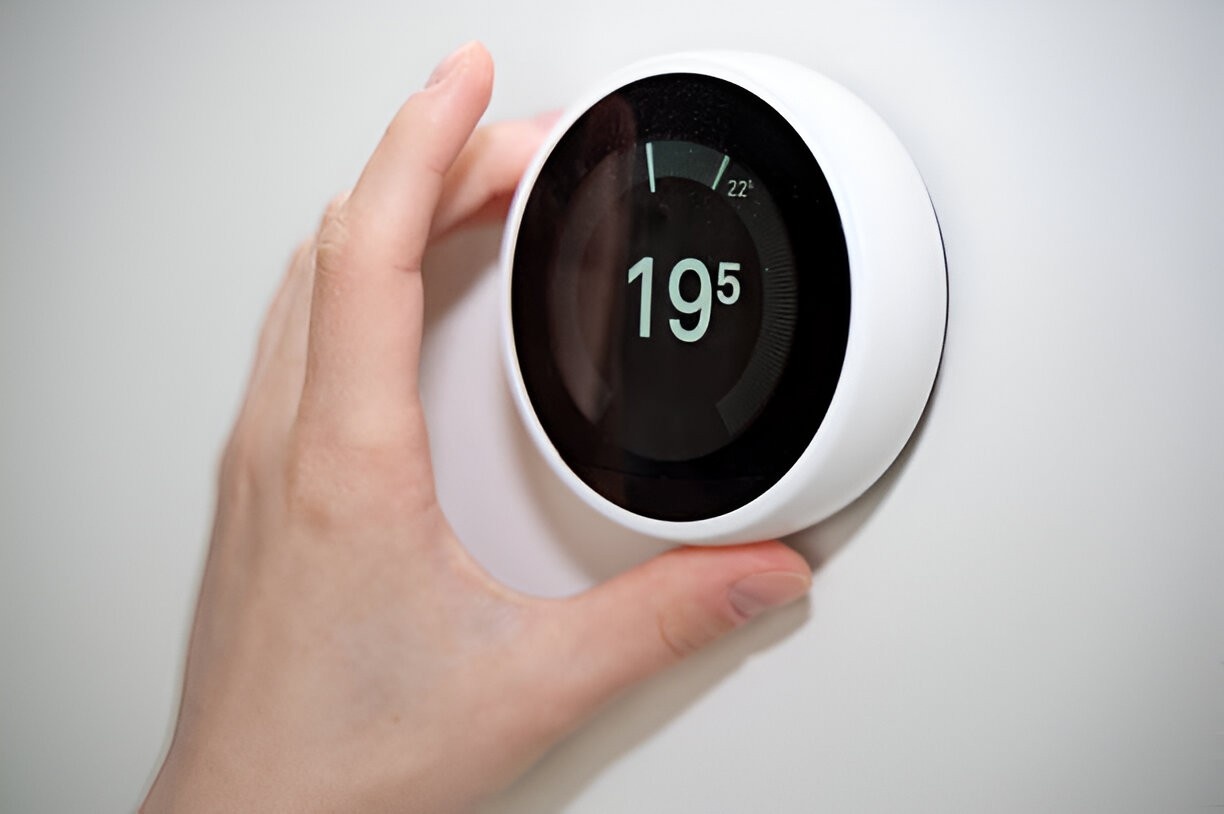
Why install a smart thermostat in Palo Alto homes
- Improved energy savings on cooling and heating bills during hot spells and shoulder seasons.
- Remote control and scheduling for commuters or households with variable occupancy.
- Better response to time-of-use rates and demand-response events that are common with Bay Area utilities.
- Integration with home automation, voice assistants, and smart sensors for whole-home comfort.
- Enhanced diagnostics and maintenance alerts that prolong HVAC life and reduce emergency repairs.
Common smart thermostat types and how to choose
- Learning thermostats: Automatically adapt schedules based on how you heat and cool, reducing manual setup. Good if you prefer hands-off optimization.
- Wi‑Fi enabled models: Provide remote control via phone apps, energy reporting, and compatibility with voice assistants.
- Multi-sensor thermostats: Use remote or room sensors to balance hot and cold spots—helpful in large Palo Alto homes or rooms that face strong sun exposure.
- Heat pump and dual-fuel models: Choose units specifically rated for heat pump systems common in modern retrofits.
- Line-voltage systems: Electric baseboard heating requires specialized smart controls or a relay solution, not standard low-voltage thermostats.
Consider factors like HomeKit/Google/Alexa compatibility, the need for multi-stage control, and whether you want features like geofencing, energy reports, and utility program participation.
Compatibility checks and common HVAC challenges in Palo Alto
Before installing, a professional compatibility check confirms safe operation and full feature access.
Key checks include:
- Control voltage: Most smart thermostats need 24V control; line-voltage systems need an alternative solution.
- C-wire presence: Many smart models require a common (C) wire for continuous power. Older thermostats may lack this.
- Multi-stage equipment: Two-stage compressors, multi-stage furnaces, and heat pumps need thermostats rated for multi-stage control.
- Zoning systems and motorized dampers: Integration varies by thermostat and may require additional wiring or relay modules.
- Auxiliary/backup heat: Heat pump configurations with emergency heat need proper mapping to avoid short-cycling.
- Furnace control board and transformer capacity: Ensure the system can supply thermostat power and signals.
Common issues in local homes: missing C-wire, older control transformers, zoned systems with multiple thermostats, and homes with both gas and electric heating. These are solvable with adapters, relays, or minor control upgrades.
Professional installation and wiring process
A professional installation follows a predictable, safety-focused process:
- Initial assessment: Inspect HVAC equipment, existing thermostat wiring, and Wi‑Fi strength near the thermostat location.
- Compatibility confirmation: Identify model-specific requirements for 24V, staging, sensors, and smart features.
- Wiring solution:
- Use existing C-wire if present.
- Install a C-wire or run a new cable when required.
- Use a common-wire adapter or power extender kit when running new wiring isn’t feasible.
- Install relays or interface modules for line-voltage systems or zoning panels.
- Mounting and connections: Secure the wall plate, connect wires per manufacturer diagrams, and ensure proper labeling for multi-zone configurations.
- Power-up checks: Verify the HVAC responds correctly to calls for heat and cool and that there are no error codes.
- Firmware and app setup: Configure Wi‑Fi, register the device, and connect to home automation platforms as requested.
- On-site walkthrough: Demonstrate basic operation, schedules, and how to access energy reports.
Professional installation minimizes wiring errors, protects equipment warranties, and ensures full functionality—especially important in homes with complex or older HVAC systems.
Setup, scheduling, and energy-saving features
After installation, a proper setup unlocks savings and comfort.
Useful features to configure:
- Custom schedules: Match heating and cooling to occupancy patterns, not fixed calendar hours.
- Geofencing: Automatically switch to energy-saving modes when everyone leaves home.
- Smart recovery: Learn the time needed to reach setpoints efficiently, avoiding unnecessary runtime.
- Adaptive fan control and humidity management: Improve indoor comfort without overcooling.
- Remote sensors and balancing: Use sensors to manage hot/cold rooms and prioritize frequently used spaces.
- Utility integration: Enroll in demand-response events or time-of-use optimizations if supported by the thermostat and local utility.
In Palo Alto, aligning schedules with evening cooling needs and weekday absence patterns frequently yields the best savings due to late-afternoon temperature peaks and higher evening electricity rates.
Integration with zoning and home automation
Smart thermostats can be a central node in a modern smart home:
- Zoning systems: Many thermostats interface with zone panels; installers verify damper control signals and sequence compatibility.
- Voice assistants and scenes: Link thermostats with Alexa, Google Assistant, or Apple HomeKit for voice control and automated home scenes.
- Whole-home systems: Integrate with security systems, occupancy sensors, or home energy monitors for coordinated responses to occupancy and energy events.
- Custom automation: Use APIs or smart hubs to create time-of-use or weather-triggered adjustments for peak savings.
Professional installers help map out integration so thermostats work with existing zones and automation without causing conflicts.
Rebate opportunities and incentives in Palo Alto
Palo Alto residents may qualify for utility and manufacturer rebates that reduce upfront costs. Typical opportunities include:
- Local utility rebates or demand-response program incentives.
- Manufacturer promotions or energy-efficiency rebates for qualifying models.
- State or regional programs that encourage smart thermostat adoption or electrification.
Eligibility often depends on appliance type, installation method, and utility account status. Confirming rebate rules and submitting documentation early improves the chance of successful claims.
Support, warranty, and post-installation care
- Manufacturer warranty: Most smart thermostats include limited parts and software support; register devices to maintain coverage.
- Installation warranty: Professional installation often includes a labor warranty covering wiring and setup issues.
- Software and firmware updates: Keep the thermostat updated for security patches and feature improvements.
- Regular checks: Review energy reports seasonally, adjust schedules for changing occupancy, and test sensor batteries.
- Troubleshooting: Common fixes include improving Wi‑Fi coverage, replacing batteries in sensors, and verifying thermostat firmware.
Maintaining firmware and reviewing seasonal settings preserves energy savings and prevents unnecessary HVAC wear.
- Ask about a C-wire solution during the initial assessment.
- Consider sensor-equipped models for sun-exposed rooms common in local properties.
- Plan schedules around commute patterns and evening cooling needs to maximize savings.
- Verify rebate eligibility before purchase and installation.
- Ensure the chosen thermostat supports your preferred home automation ecosystem.
Smart thermostat installation in Palo Alto, CA is a practical upgrade that delivers comfort, measurable energy savings, and modern integration when properly selected and professionally installed.
Service Areas

