


Whole House Dehumidifiers in Walnut Creek, CA

Whole House Dehumidifiers in Walnut Creek, CA
Does your Walnut Creek home feel muggy? Excess indoor moisture can encourage mold and mildew, damage beautiful wood floors and finishes, and even aggravate allergies. A properly sized whole-house dehumidifier works with your HVAC system to keep humidity in check throughout your entire home, maintaining consistently comfortable conditions. Air Flow Pros specializes in these systems for Walnut Creek homes, addressing common issues, explaining different types, and guiding you through installation, maintenance, and energy impacts. We're dedicated to helping you achieve the healthy, comfortable home you deserve.
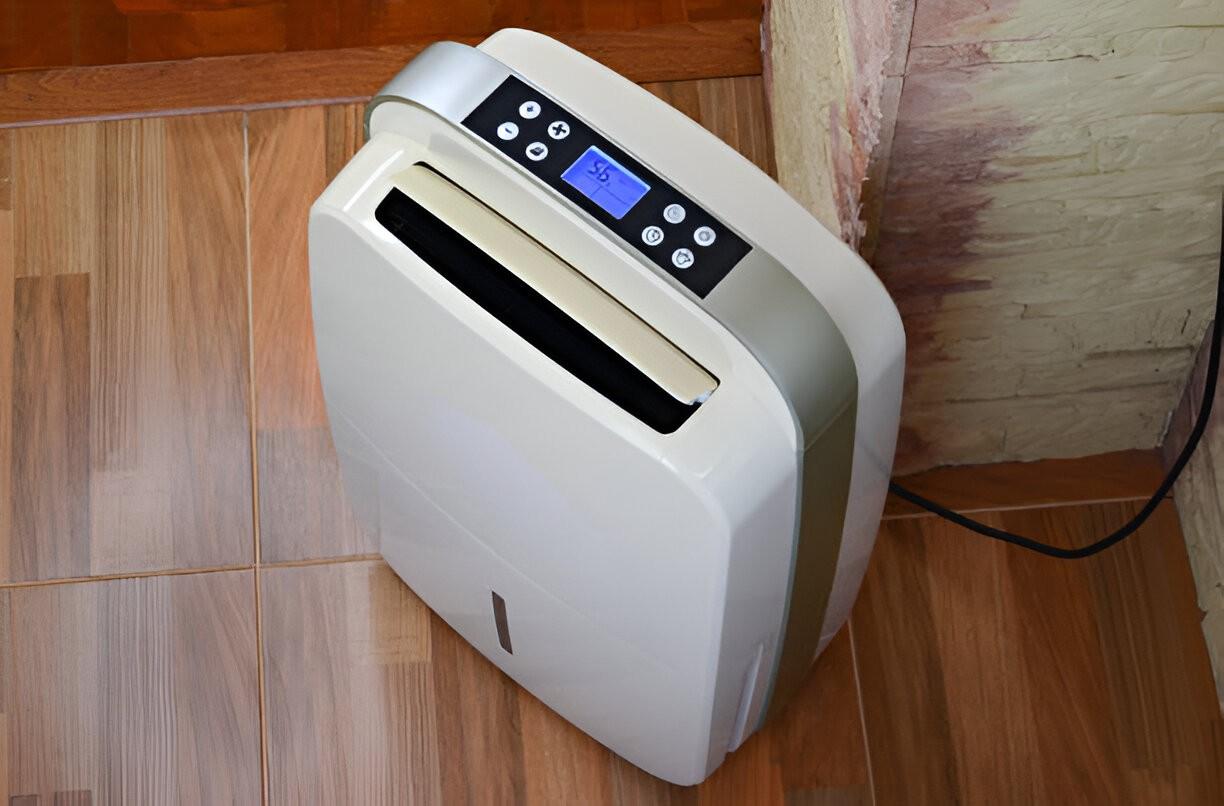
Why a whole-house dehumidifier matters in Walnut Creek, CA
Walnut Creek sits in the East Bay with a Mediterranean climate. Summers can be warm and occasionally humid, while cool, damp mornings and seasonal marine layer bring moisture into homes near the hills and valleys. Many newer and older Bay Area houses are tightly sealed for energy efficiency, which can trap indoor moisture from cooking, showers, plants, and occupants. Whole-house dehumidifiers remove that excess moisture across every room, improving comfort without overcooling and protecting building materials sensitive to humidity.
Common moisture problems in Walnut Creek homes
- Musty or persistent odors in closets, basements, or crawl spaces
- Condensation on windows, metal window frames, or pipes in cooler months
- Mold and mildew growth in bathrooms, attics, or behind cabinets
- Warping or cupping of hardwood floors and sticking doors
- Allergic reactions or respiratory irritation tied to dust mites and mold spores
Types of whole-house dehumidifiers
- Ducted whole-house dehumidifiers: Installed inline with the HVAC return or supply plenum and dehumidify conditioned air circulated by the existing furnace or air handler. Best for even moisture control throughout the home.
- Standalone central dehumidifiers with dedicated ducting: Larger units that sit in a mechanical room or attic with their own supply and return ducts. Useful where return plenum access is limited.
- Integrated heat pump dehumidifiers: Combine dehumidification with space conditioning features; useful in systems designed to actively control humidity as part of the HVAC program.
- Hybrid systems: Combine mechanical dehumidification with ventilation to manage both humidity and fresh air for indoor air quality.
How whole-house units integrate with HVAC
Most whole-house dehumidifiers connect to the HVAC return plenum so the system treats all air passing through the furnace or air handler. They use the system blower to circulate conditioned, dehumidified air and are controlled by a dedicated humidistat or a smart controller that integrates with your thermostat. Proper integration ensures:
- Consistent humidity control zone-wide
- Reduced need to lower thermostat setpoint to feel comfortable
- Balanced airflow and minimal impact on system static pressure when sized and installed correctly
Recommended humidity setpoints for Walnut Creek homes
- Target 40 to 50 percent relative humidity year-round for comfort, mold prevention, and to protect woodwork.
- Avoid sustained levels above 55 percent, which increase mold risk.
- In winter, keep RH closer to 40 percent to prevent condensation on windows and exterior walls; in summer, 45 to 50 percent often balances comfort and indoor air quality.
Sizing and selection guidance
Sizing a whole-house dehumidifier depends on home square footage, airtightness, occupant count, plumbing and appliance moisture sources, and local climate patterns. Units are typically rated by pints of moisture removed per day and by airflow (CFM). General guidance:
- Smaller, moderately airtight Walnut Creek homes often require units in the 30 to 60 pints/day range for light to moderate moisture control.
- Larger homes, homes with persistent moisture problems, or those with high occupant/houseplant loads may need 70 pints/day or more.
- Homes with crawl spaces, attached garages, or frequent venting of humid outdoor air may need larger capacity or supplemental solutions.
A professional load calculation that factors local conditions and your home layout yields the most reliable result.
Installation, condensate management, and maintenance
- Installation: Typical installations place the unit in the furnace/air handler return, mechanical closet, or attic. Proper airflow, duct connections, and electrical supply are critical. An installer will check static pressure, ensure proper drainage, and set controls. Some installations require permits or changes to ductwork.
- Condensate management: Dehumidifiers produce condensate that should drain to a household drain or condensate pump. Walnut Creek homes on slab foundations or with utility closets above grade often need a condensate pump. Ensure a P-trap and clean trap access to prevent odors.
- Routine maintenance: Change or clean filters as recommended, clean coils annually, inspect and clear the condensate drain line, and verify humidistat calibration. Periodic service keeps removal capacity high and prevents microbial growth in the drain system.
Energy use and cost considerations
Whole-house dehumidifiers add electrical load, but they are generally more efficient and cost-effective than multiple portable room dehumidifiers when controlling moisture across an entire home. Integrated systems that work with the HVAC blower and cycle in coordination with cooling can reduce overall cooling runtime by letting you raise thermostat setpoints while maintaining comfort. Look for high efficiency models and consult energy performance ratings. Running costs vary with usage patterns and electric rates, so budgeting for seasonal operation in the warm, damp months is wise.
Typical outcomes homeowners can expect
- Consistent indoor relative humidity in the 40 to 50 percent range
- Reduced mold and mildew growth and fewer musty odors
- Improved comfort with less reliance on aggressive cooling to remove humidity
- Protection for wood floors, doors, furniture, and electronics from moisture damage
- Fewer allergy triggers from dust mites and mold, often improving indoor air quality
Seasonal and practical tips for Walnut Creek
- Use the dehumidifier more in late spring and summer when outside humidity and morning marine layers can raise indoor moisture.
- In drier winter periods, reduce setpoints slightly to avoid over-drying. Modern controls can automate seasonal setpoint adjustments.
- Pair dehumidification with targeted ventilation when outdoor air is dry to maintain healthy indoor air without raising humidity.
- Address the root moisture sources first: fix plumbing leaks, vent dryers properly, and use exhaust fans for cooking and showers.
A whole-house dehumidifier in Walnut Creek, CA is a practical investment for homeowners who need reliable, whole-home moisture control. When selected and installed based on home size, moisture load, and HVAC compatibility, these systems deliver measurable improvements in comfort, indoor air quality, and building protection. Regular maintenance and proper condensate handling keep performance consistent and help you maintain the ideal humidity balance for your home.
Service Areas

