


Whole House Dehumidifiers in San Rafael, CA

Whole House Dehumidifiers in San Rafael, CA
In San Rafael homes, excess indoor moisture is a common culprit behind comfort and health issues, though it's often overlooked. A whole-house dehumidifier from Air Flow Pros offers consistent humidity control across every room, working hand-in-hand with your existing HVAC system. When properly selected and expertly installed by our team, these systems do so much more than just dry the air. They significantly reduce the risk of mold and mildew, improve your comfort without that chilly overcooling effect, protect your home's finishes and electronics, and even help your HVAC equipment run more efficiently – especially vital in Bay Area climates with their marine influence and seasonal humidity swings. Air Flow Pros is ready to help you choose a system that's just right for your home.
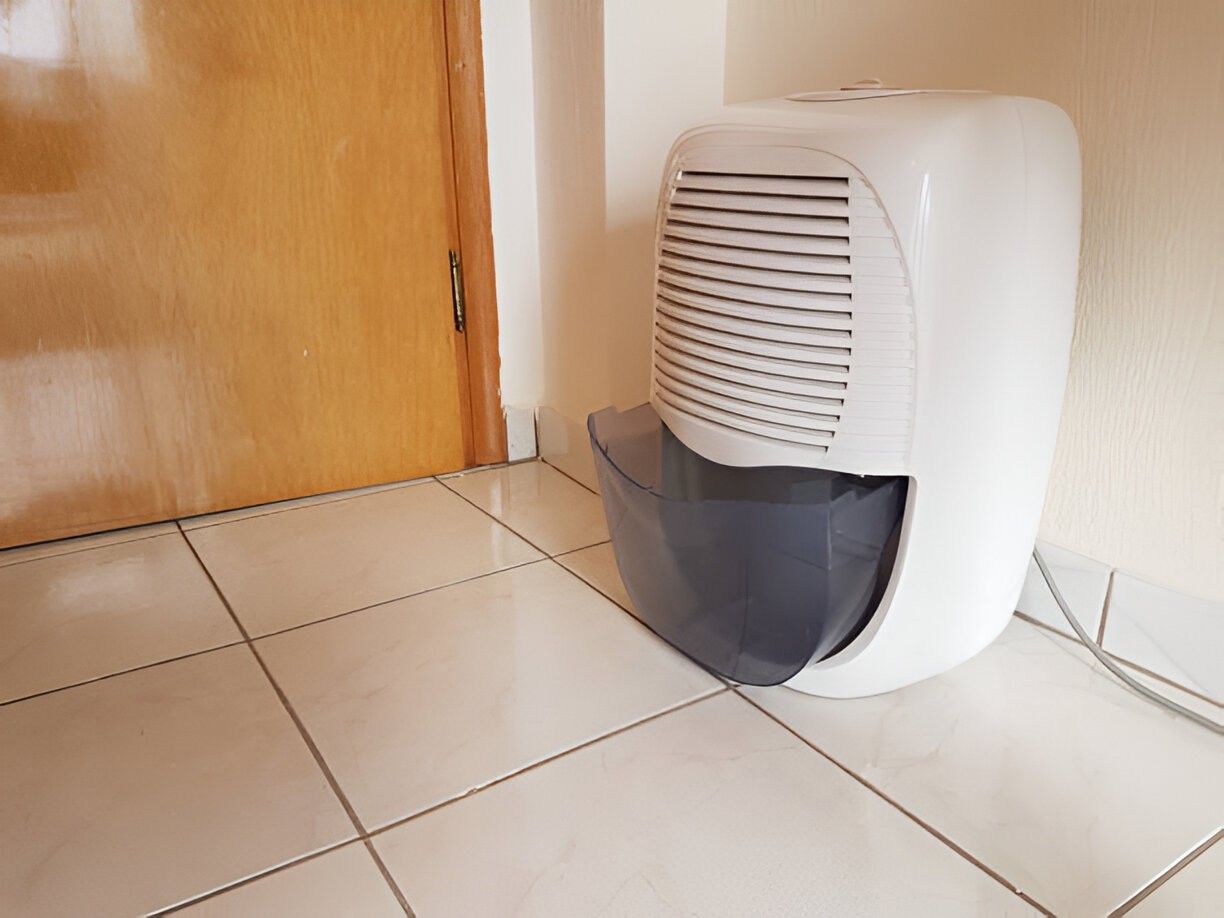
Why whole-house dehumidification matters in San Rafael
San Rafael sits in a microclimate influenced by the Bay and nearby hills. Summer fog and mild temperatures can create elevated indoor humidity, while modern airtight construction limits passive drying. High indoor relative humidity encourages:
- Mold and mildew growth in attics, crawlspaces, bathrooms, and closets
- Musty odors and dust mite proliferation
- Corrosion of electronics and accelerated wear on wood floors and furniture
- A clammy feeling that leads homeowners to set thermostats cooler than needed
A properly sized whole-house dehumidifier in San Rafael, CA addresses these issues without the room-to-room limitations and maintenance of portable units.
Common whole-house dehumidifier issues in San Rafael homes
Understanding typical problems helps homeowners make informed choices. Common issues include:
- Oversized or undersized units that do not maintain target humidity
- Improper drain routing leading to backups or intermittent leaks
- Poor integration with HVAC airflow that reduces dehumidification performance
- Infrequent maintenance causing reduced capacity or frozen coils
- Lack of humidity control strategy during mild winters when heating is minimal
Addressing these points during selection and installation ensures reliable long-term performance.
Types of whole-house dehumidifiers and how they integrate with HVAC
There are two primary approaches to whole-house dehumidification:
- Duct-mounted dehumidifiers: Installed in the return or supply plenum of your HVAC system. They pull conditioned air, remove moisture, and return drier air to your ductwork. This is the most common method for homes with central forced-air systems and delivers balanced humidity control throughout the house.
- Independent packaged systems: Standalone units connected into the ductwork but with their own fan and controls. These are used when integration into existing HVAC is impractical or when additional capacity is needed.
Integration considerations:
- Units are commonly placed on the return side so the dehumidifier sees stable airflow and avoids rehumidifying already treated supply air.
- Control strategies include standalone humidistats, integration with the HVAC thermostat, or whole-home automation for seasonal setpoint adjustments.
- Proper airflow and static pressure checks during installation preserve HVAC efficiency and dehumidifier performance.
Sizing considerations for Bay Area climates
Correct sizing is crucial. Over-sizing wastes energy and can short-cycle without removing sufficient moisture. Undersizing leaves persistent humidity.
Key factors for sizing in San Rafael:
- Home square footage and ceiling height
- Degree of airtightness and insulation
- Number of occupants and moisture-producing activities (cooking, showers, laundry)
- Crawlspace and attic conditions
- Local climate trends: higher coastal humidity and seasonal fog influence moisture load; inland daytime warming can increase indoor condensation risk on cooler surfaces
Manufacturers rate dehumidifiers by pints removed per day at specified conditions. A professional load calculation that uses both sensible and latent loads and reflects Bay Area humidity patterns yields the best result.
Installation and drainage requirements
Proper installation impacts reliability and home protection:
- Mounting location should allow access for service, clearances for condensate piping, and connection to the return plenum if duct-mounted.
- Condensate drainage options include gravity drains to an exterior point, condensate pumps for low-slope or basement installations, or tie-in to an existing condensate waste line. All drains should be trapped and vented according to local codes.
- Electrical requirements vary; many whole-house units need dedicated 240V or 120V circuits and proper disconnects.
- Condensate lines should slope continuously and include accessible cleanouts. Freeze protection for exposed condensate lines is advised for unconditioned spaces.
Maintenance and filter care
Routine upkeep sustains performance and efficiency:
- Clean or replace dehumidifier filters every 3 months or per manufacturer guidance. A clogged filter reduces airflow and capacity.
- Annual service should include coil cleaning, checking refrigerant charge (for refrigerant-based units), verifying drain integrity, and testing controls and humidistats.
- Inspect condensate drain lines seasonally for blockages and ensure pumps are operational.
- If paired with the HVAC system, schedule combined inspections to optimize interactions and prevent conflicting control behavior.
Energy efficiency considerations
Whole-house dehumidifiers use electricity, but modern systems are far more efficient than running many portable units for equivalent results. Efficiency tips:
- Choose Energy Star rated models or units with high moisture removal per kWh.
- Use humidity setback strategies: maintain relative humidity between 45 and 50 percent for comfort and mold prevention without unnecessary runtime.
- Coordinate dehumidifier control with HVAC operation so dehumidification occurs during efficient fan and cooling cycles when appropriate.
- Consider heat-recovery ventilators or energy-recovery ventilators for balanced ventilation that limits humidity intrusion while improving fresh air exchange.
Pairing with air cleaners and ventilation
Combining a whole-house dehumidifier with additional IAQ measures addresses multiple indoor air quality goals:
- Whole-house air cleaners (HEPA or electronic) remove particles that thrive in humid environments and reduce allergens. Placing these in the return duct ensures the dehumidifier treats air that is already being filtered.
- UV germicidal lights can be installed near the coil to discourage microbial growth on cooling coils, which is especially useful in humid coastal conditions.
- Balanced ventilation ensures stale, damp indoor air is exchanged for fresh air with controlled moisture loads. When adding ventilation, account for the extra latent load in the dehumidifier sizing.
Long-term benefits and what to expect
A properly selected and installed whole-house dehumidifier in San Rafael, CA, results in measurable benefits:
- Reduced mold and mildew growth and improved allergen control
- Greater comfort at slightly higher thermostat settings, saving cooling energy
- Protection of structural components, finishes, and electronics
- More consistent indoor air quality across the home year round
Whole-house dehumidification is a long-term investment in home health and comfort. For best results in San Rafael, match equipment capacity to local climate patterns and home-specific moisture sources, ensure professional integration with your HVAC, and maintain regular service to preserve efficiency and performance.
Service Areas

