


Duct Cleaning in San Rafael, CA

Duct Cleaning in San Rafael, CA
Clean ductwork is one of the most effective, non-invasive ways to improve your home’s airflow and indoor air quality. In San Rafael, CA, where coastal fog, seasonal pollen, and periodic wildfire smoke affect indoor air, professional duct cleaning helps restore healthy ventilation, reduce dust, and keep HVAC equipment running efficiently. Air Flow Pros can help you choose a system that fits your home.
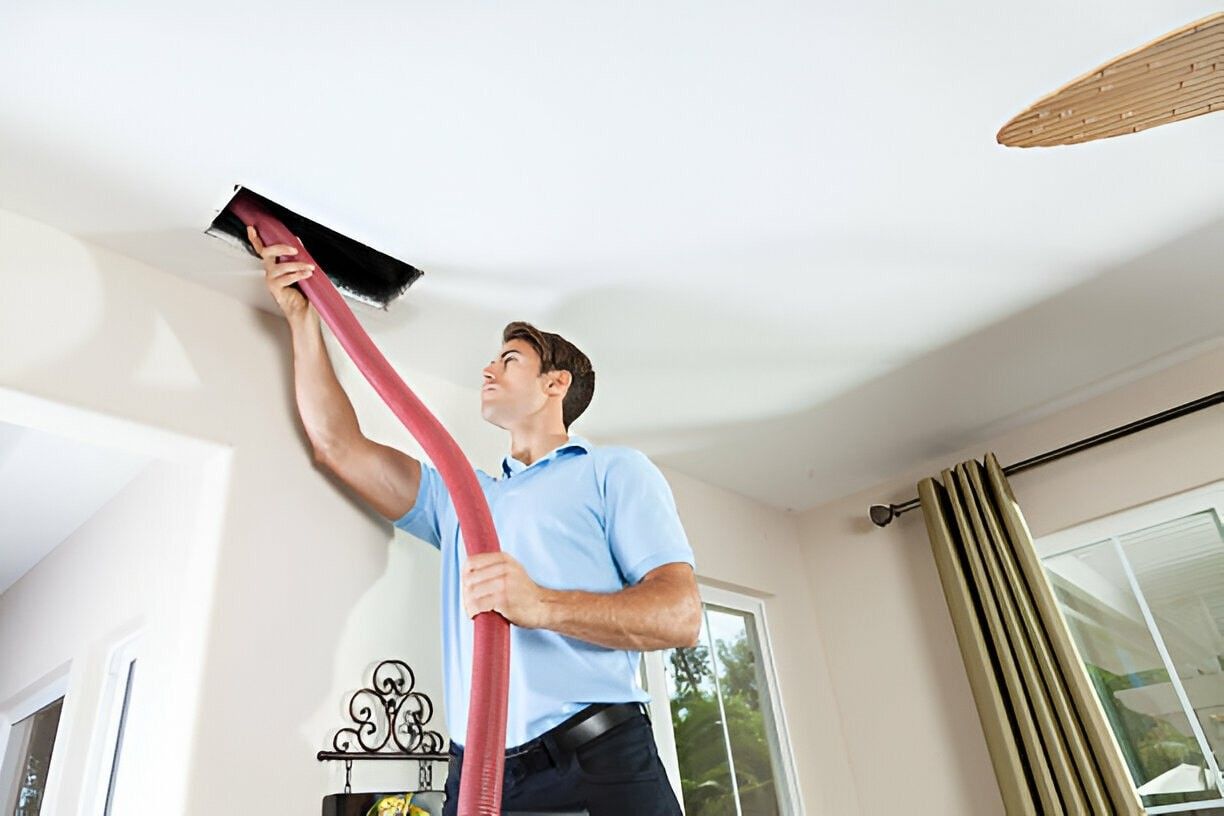
Why duct cleaning matters in San Rafael homes
San Rafael’s mild, humid coastal climate and surrounding vegetation mean homes commonly collect:
- Salt and fine particulate from marine air
- Oak and non-native pollen during spring
- Fine ash and soot during wildfire events in the Bay Area
- Moisture in attics and crawlspaces that can promote dust buildup and, in severe cases, microbial growth
Over time these contaminants reduce airflow, circulate allergens and odors through living spaces, and increase strain on the furnace and air conditioner. Professional duct cleaning restores proper airflow, helps maintain indoor air quality (IAQ), and supports system longevity.
Common duct problems and triggers in San Rafael
- Visible dust and debris coming from registers after system startup
- Increased allergy or respiratory symptoms at home during normal operation
- Lingering musty or smoky odors after outdoor smoke events
- Uneven heating or cooling, or rooms that take longer to reach set temperature
- Recent home renovations or pest incursions that introduced dust and debris into ductwork
- A long time since the ducts were inspected or cleaned (many homes go years without a professional check)
Professional duct cleaning process (what to expect)
A thorough professional service is systematic and minimally disruptive. Typical steps include:
- Pre-inspection and diagnosis
- Visual inspection of registers, accessible ducts, air handler, and return plenum
- Assessment of contamination type (dust, odor, mold-like growth, animal droppings) and identification of access points and leaks
- Measurement of baseline airflow and system performance when applicable
- Containment and preparation
- Protect living areas and equipment; cover registers and sensitive surfaces
- Establish negative pressure using a high-capacity HEPA-filtered vacuum to capture dislodged debris
- Agitation and debris removal
- Mechanical agitation (rotary brushes, air whips, compressed air) loosens dust from duct walls
- Specialized tools clean main trunks, branch ducts, and the air handler cabinet
- HEPA vacuuming and collection
- All loosened debris is drawn into a truck-mounted or portable HEPA-filtered vacuum system to prevent re-contamination
- Targeted cleaning and sanitization (as needed)
- If microbial growth or persistent odors are present, focused cleaning and EPA-registered antimicrobial applications may be recommended
- Any such treatments are applied sparingly and only after proper diagnosis
- Final inspection and airflow check
- Technicians re-check registers, ensure the system is sealed where required, and confirm improved airflow
Typical time expectations
- Small homes with centralized, accessible duct systems: 2 to 3 hours
- Medium to larger homes or systems with complex runs and multiple zones: 3 to 6 hours
- Jobs that reveal mold, significant pest contamination, or require extensive access work will require additional time for safe remediation and documentation
Cost factors to consider (what affects price)
Rather than a flat number, professional duct cleaning costs vary based on:
- Home size and number of supply/return registers
- Length and complexity of duct runs (attic, crawlspace, or concealed ducts increase labor)
- Condition of the ducts: heavy particulate loads, mold, or pest droppings require more work
- Need for additional services: air handler cleaning, vent replacement, sealing or insulation repairs
- Access difficulty and whether a truck-mounted vacuum is required
A qualified service will provide a clear scope after inspection and explain which elements drive the estimate.
Expected results and benefits
After professional duct cleaning homeowners typically notice:
- Improved airflow and more even temperature control throughout the home
- Reduced visible dust on furniture and better performance from filters
- Fewer allergy triggers and less airborne particulate matter circulating indoors
- Decrease in lingering odors from smoke, pets, or cooking
- Potential energy savings when the HVAC system operates with less resistance
- Extended life and reduced maintenance needs for the air handler and coils when debris is removed
Results depend on initial contamination and how well the system is maintained after cleaning.
Post-cleaning recommendations for San Rafael homes
- Replace disposable filters immediately after cleaning; consider upgrading to higher-efficiency filters compatible with your system (MERV-rated or electrostatic options)
- Maintain a regular filter change schedule (every 1–3 months depending on filter type and occupancy)
- Limit re-entry of outdoor particulates during peak pollen or smoke events by keeping windows closed and running air-conditioning/recirculation with clean filters
- Keep returns and vents unobstructed; use mats and door sweeps to reduce tracked-in debris
- Schedule periodic HVAC tune-ups and duct inspections, especially after renovations or pest activity
How duct cleaning integrates with other IAQ upgrades
For comprehensive indoor air quality in San Rafael homes, duct cleaning is often paired with:
- High-efficiency whole-house filtration to capture fine particles and smoke before they circulate
- UV-C lights near the coil and drain pan to reduce microbial growth on cooling components
- Humidity control (dehumidifiers or smart HVAC dampers) to minimize moisture-related issues in attics and crawlspaces
- Sealing and insulation of duct joints to prevent leakage, indoor pollutant entry, and energy loss
When combined, these measures create a layered IAQ strategy: clean ducts remove existing contaminants while upgraded filtration and UV systems reduce future accumulation and support healthier air long term.
Maintenance cadence and when to schedule another cleaning
Industry guidance and practical experience suggest scheduling duct cleaning:
- Every 3 to 5 years for typical homes, depending on occupancy and pollutant exposure
- Sooner after major events: wildfire smoke exposure, home remodeling, pest infestations, water intrusion, or ongoing occupant allergies
- As part of a preventive HVAC maintenance plan that includes annual system inspections and periodic coil and blower cleaning
Clean ducts contribute to a healthier, more comfortable home and reduce strain on heating and cooling equipment—especially important in San Rafael where outdoor air quality can change seasonally.
By understanding the scope, diagnostic steps, and benefits, homeowners can make informed decisions about duct cleaning and how it fits into a broader indoor air quality program tailored to San Rafael living conditions.
Service Areas

