


Whole House Dehumidifiers in Hayward, CA

Whole House Dehumidifiers in Hayward, CA
Hayward's unique climate – mild temperatures with that occasional marine layer and summer inland heat – can definitely create persistent indoor humidity problems for Bay Area homes. If moisture is causing mold growth, musty odors, condensation on your windows, or general discomfort despite your air conditioning, whole-house dehumidifiers from Air Flow Pros are a fantastic long-term solution. We'll help you figure out when a whole-home dehumidification system is just what your Hayward home needs, discussing the types and capacities available, and how these units seamlessly integrate with your ducted systems. We’ll also tell you what to expect during installation and operation, detail the maintenance needs, and share the typical positive outcomes for Hayward homes. Air Flow Pros is dedicated to helping you choose a system that truly fits your home.
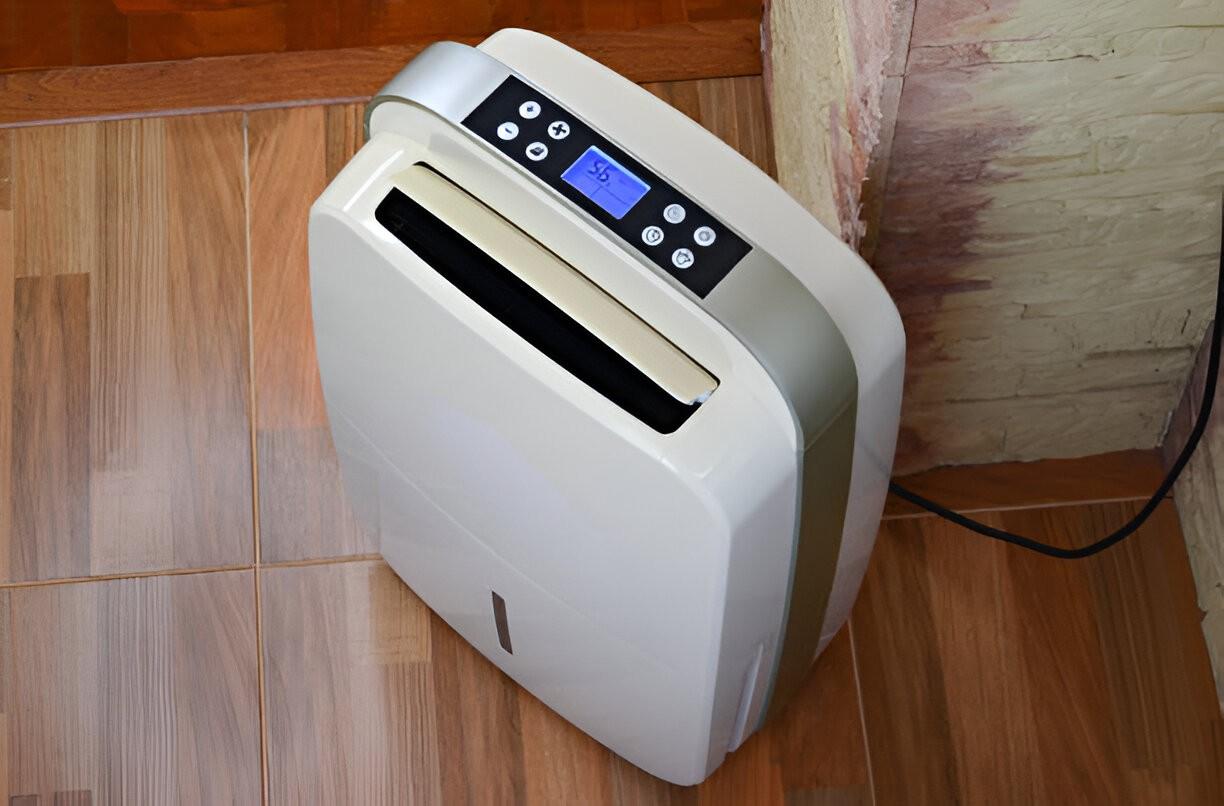
Why whole-home dehumidification matters in Hayward homes
Excess indoor humidity (consistently above 50 to 60% relative humidity) promotes mold, mildew, dust mite growth, peeling paint, and warped wood flooring—issues that are common in poorly ventilated East Bay homes, multi-family buildings, and older houses with limited insulation or crawl spaces. Whole-house dehumidification:
- Keeps relative humidity in the recommended 40–50% range for comfort and mold prevention
- Reduces musty odors and visible mold in bathrooms, basements, and closets
- Protects wood floors, cabinetry, and electronics from moisture damage
- Helps HVAC systems run more efficiently by lowering latent load
Common whole house dehumidifier issues in Hayward
Homeowners in Hayward typically seek whole-home dehumidifiers for these problems:
- Persistent condensation on windows and metal surfaces during cooler nights
- Recurrent mold or mildew growth in bathrooms, closets, or crawlspaces
- Allergies or asthma aggravated by mold spores and dust mites
- High laundry or cooking moisture in compact or poorly ventilated homes
- Inadequate dehumidification from portable units that only treat individual rooms
Types of whole house dehumidifiers and capacities
Whole-house systems are designed to work with your central HVAC or as standalone ducted units. Main types include:
- Ducted refrigerant dehumidifiers: Most common for Bay Area homes. They remove moisture by cooling air over a coil and collecting condensate. Capacities typically range from smaller 30–50 pint/day units to larger 100+ pint/day units for larger or moister homes.
- Desiccant dehumidifiers: Use a moisture-absorbing material and are effective at lower temperatures and very high humidity levels. Used less often in typical Hayward residential settings but useful in specialized spaces.
- Integrated HVAC dehumidifiers: Installed directly on the return or supply plenum and use the furnace/air handler blower to circulate air through the dehumidifier.
Sizing a system is not just about square footage—engineers consider construction type, insulation, windows, occupancy, and moisture sources (cooking, bathrooms, laundry) to determine the correct capacity and controller settings.
How whole-house units integrate with ducted systems
Integration ensures even dehumidification throughout the home:
- Typical installation places the dehumidifier in the return plenum, near the air handler, or in utility areas to use existing ductwork and the blower.
- Units connect to a condensate drain or pump to remove collected water. Electrical wiring and a dedicated breaker are usually required.
- Controls include wall-mounted humidistats or integration into the HVAC controller/thermostat so the system runs only when needed, maintaining target relative humidity.
- Zoned homes may require additional sensors or multiple dehumidifiers to maintain balanced humidity across zones.
Installation process and recommended placement
A professional installation follows these general steps:
- On-site assessment and moisture load calculation to determine correct unit size and placement.
- Placement near the air handler is preferred for accessibility and ductwork integration; attic, garage, or mechanical closets are common locations if space and ventilation allow.
- Install condensate piping or pump, electrical connection, and controller wiring.
- Commissioning and calibration: technicians verify airflow, test humidistat settings, and demonstrate controls.
- Proper access for maintenance and a clear condensate path are essential considerations in Hayward homes, where limited crawlspace access or compact mechanical rooms are common.
Energy efficiency and expected moisture removal
Modern whole-house units are significantly more efficient than running multiple portable dehumidifiers. Features that boost efficiency include variable-speed compressors and fans, smart controls that cycle based on humidity, and coordination with the HVAC system to avoid over-dehumidifying. Typical outcomes:
- Rapid reduction of indoor relative humidity to target range within 24–72 hours depending on initial levels and home tightness
- Steady maintenance of target humidity with lower runtime versus portable units
- Actual moisture removal depends on unit capacity, outside humidity, internal moisture sources, and home airtightness. In Hayward’s temperate conditions, properly sized units typically achieve consistent comfort without overcooling.
Maintenance requirements and filter care
Routine maintenance keeps performance high and prevents failures:
- Check and clean or replace the unit’s air filter per manufacturer guidance (often every 3–6 months depending on use and home conditions).
- Annual inspection and coil cleaning to remove dust and biofilm that reduce efficiency.
- Inspect condensate drain and pump for clogs; ensure proper slope and drainage to avoid backups.
- Verify humidistat calibration and electrical connections during yearly service.
- Regular maintenance is often included in HVAC service agreements to preserve efficiency and warranty coverage.
Typical outcomes for Hayward homes
With a correctly sized and installed whole-house dehumidifier, homeowners can expect:
- Noticeable reduction in musty odors and visible mold risk
- Fewer condensation problems on windows and fixtures
- Improved comfort at higher thermostat settings (you may be comfortable at a slightly higher temperature with lower humidity)
- Reduced allergy triggers and better indoor air quality
- Longer lifespan for wood floors, paint, and HVAC equipment due to lower moisture stress
Cost, financing, and service agreement options
Equipment and installation costs vary based on unit type, capacity, complexity of ductwork integration, and necessary electrical or drain work. Financing options available in the residential HVAC market commonly include:
- Monthly financing through third-party lenders or in-house programs
- Short-term promotional financing that may offer reduced interest for an initial period
- Home improvement loans or financing tied to energy-efficiency improvements
- Service agreements typically provide scheduled maintenance visits, priority service response, and discounted repair rates, helping ensure the dehumidification system operates efficiently over its service life. Service agreements are especially useful in Hayward where year-round comfort and mold prevention are priorities.
Whole-house dehumidifiers in Hayward, CA are a durable investment for homes suffering from persistent indoor moisture problems. When professionally sized, properly integrated with a ducted HVAC system, and regularly maintained, they prevent mold, protect building materials, and improve indoor comfort and air quality. For homes with chronic humidity, a whole-home solution delivers consistent, energy-conscious moisture control that portable units cannot match.
Service Areas

