


UV Light in Alameda, CA

UV Light in Alameda, CA
UV light systems are an effective addition to home HVAC setups in Alameda, CA, where marine air, seasonal fog, and older building stock can encourage microbial growth on coils and inside ducts. Two primary options in-duct and coil-mounted UV systems Air Flow Pros can help you choose a system that fits your home.
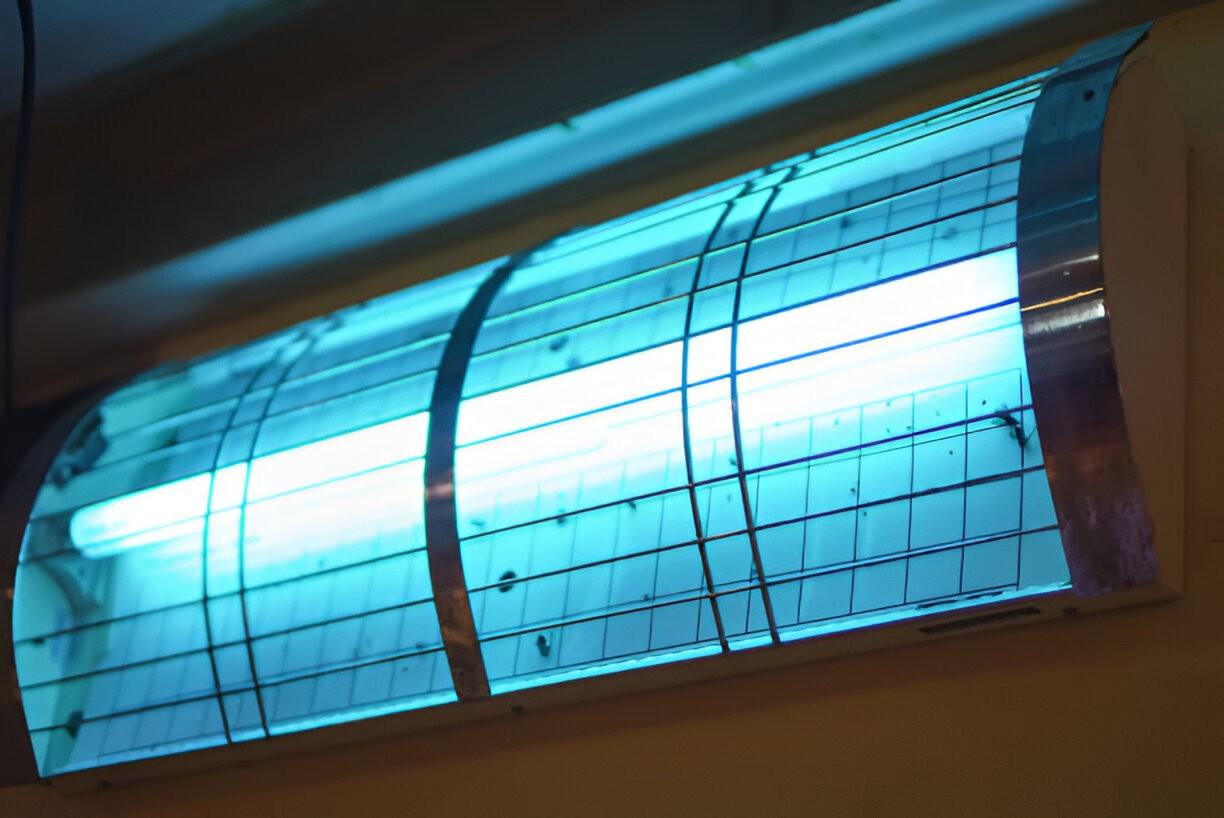
Why UV-C matters for Alameda homes
Alameda’s mild, humid microclimate and proximity to the Bay create conditions that can allow moisture to linger in HVAC coils and duct joints. That encourages mold and bacterial growth that can create musty odors, reduce system efficiency, and aggravate allergies. Properly installed UV-C systems target biological contaminants at their source, helping keep coils and accessible duct surfaces cleaner, improve odor control, and support healthier indoor air.
Types of UV systems and how they work
Coil-mounted UV lights
- Installed directly at the indoor cooling coil and drain pan.
- Continuous UV-C exposure reduces microbial growth on the coil surface and in the drain pan where standing moisture collects.
- Primary benefit: better heat transfer, improved airflow, fewer condensate clogs, and less microbial regrowth on the coil.
In-duct UV lights
- Mounted inside supply or return ducts to irradiate airborne microbes as air moves through the system.
- Best for homes seeking broader duct-surface disinfection and reduction of microbes traveling through the HVAC airstream.
- Primary benefit: reduced microbial load in the air moving between rooms and fewer odors from duct surfaces.
How UV-C works
- UV-C is shortwave ultraviolet light that damages the DNA or RNA of microorganisms, preventing reproduction and rendering many bacteria, mold spores, and some viruses inactive when exposed at sufficient intensity and duration.
- Effectiveness depends on lamp intensity, exposure time, proximity, and lamp orientation. UV systems are sized and positioned to create the necessary exposure in the coil area or duct path.
Recommended installation locations
- Coil-mounted units: directly across the indoor cooling coil and oriented so the coil face and drain pan receive direct irradiation.
- In-duct units: near the evaporator or in main supply trunks where airflow carries treated air to living spaces. Return-duct installations are common when treating air before it reaches the coil helps reduce loading on the coil.
- Homes with crawlspaces or attics: ensure accessible installation locations with adequate clearance for service and bulb replacement.
- Older Alameda homes: inspect for duct integrity and insulating issues before installing in-duct lamps since leaks and poor insulation reduce overall effectiveness.
Compatibility with existing HVAC equipment
Most modern air handlers, furnaces, and split systems can accept UV-C systems. Key compatibility checks:
- Space and clearance around the coil or duct for fixture mounting.
- Availability of a safe 120 V or low-voltage power feed near the installation point.
- Duct material and thickness for mounting in-duct fixtures.
- For systems with ECM blowers, verify that airflow speed allows adequate UV exposure time; some in-duct designs compensate with higher intensity lamps.
- Retrofits on aging equipment may require minor modifications or mounting adapters. A licensed HVAC technician will assess the air handler and ductwork and recommend the optimal configuration.
Expected indoor air quality improvements
- Cleaner coils and drain pans that restore heat transfer efficiency and reduce musty odors.
- Lower surface microbial counts on coil faces and accessible duct surfaces, reducing biological regrowth between maintenance visits.
- Reduced odor complaints and potential symptom relief for occupants sensitive to mold and some bacteria.
- UV-C does not remove particles like dust or pet dander. Combining UV with proper filtration (MERV-rated filters or whole-house filtration) produces the best overall IAQ gains.
Typical performance expectations
- Noticeable reduction in musty odors and fewer condensate clogs soon after installation.
- Improved coil cleanliness and consistent airflow over weeks to months as microbial buildup is suppressed.
- Quantitative reductions in airborne microbes vary by system and home conditions; a professional assessment will outline realistic outcomes for your system.
Maintenance and bulb-replacement schedule
- Lamp life
- Traditional low-pressure mercury UV-C lamps lose effective output long before the bulb stops glowing. Most manufacturers recommend annual bulb replacement to maintain optimal UV output.
- Newer UV-C LED options may last multiple years, but they are still less common and come with different replacement intervals. Follow manufacturer guidance.
- Cleaning
- Lamp quartz sleeves and surrounding areas should be cleaned every 3 to 6 months to remove dust and film that reduce UV transmission.
- Inspection
- Annual inspection of lamp output, mounting hardware, electrical connections, and any sleeve seals is recommended. Coil-mounted systems should include coil and drain pan checks.
- Record keeping
- Maintain a log of installation date, bulb replacement dates, and maintenance visits to preserve warranty coverage and verify performance.
Warranty and safety information
Warranties
- Fixtures commonly include multi-year component warranties; bulbs often carry separate 12-month warranties. Confirm the specific warranty terms for the lamp and the fixture and retain purchase and installation records.
- Improper installation or homeowner tampering can void warranties. Installation by a qualified HVAC professional typically safeguards warranty validity.
Safety
- UV-C light is harmful to skin and eyes. All lamps must be installed so occupants are not exposed; coil-mounted and in-duct systems are enclosed and direct light away from occupied spaces.
- Use ozone-free UV-C lamps that comply with safety standards. Some older UV lamps produce ozone; modern HVAC-grade UV-C lamps are designed to avoid ozone generation.
- Service and bulb changes should be performed by trained technicians who use appropriate protective equipment and follow lockout procedures to avoid exposure.
Assessment and installation process overview
- Initial assessment
A professional inspection evaluates the air handler, coil condition, duct layout, electrical access, and typical occupant concerns (odors, allergies, moisture issues). The inspector determines whether coil-mounted, in-duct, or a combination system is best. - Proposal and system selection
Recommendations include a system sized for your airflow and coil dimensions, lamp type, and a maintenance plan with replacement schedule and costs separated for fixture and bulbs. - Installation day
Typical installs take 1 to 4 hours depending on system complexity. Technicians mount fixtures, connect power, verify secure mounting, and test for correct operation.
Post-installation checks include verifying the lamp is enclosed from occupied spaces, testing airflow, and documenting maintenance intervals. - Follow-up
Expect a recommended maintenance schedule and a record of lamp model and placement so future service visits are efficient. - Pair UV-C with good filtration and regular HVAC maintenance for the best indoor air quality results.
- Coastal homes with salty air should consider fixtures and mounts that resist corrosion, and schedule inspections for any signs of corrosion near the installation area.
- For older homes with duct leaks or inadequate insulation, address these issues during the assessment. UV-C reduces biological growth but does not correct airflow or insulation problems that also affect comfort and efficiency.
UV light systems are a targeted, proven complement to filtration and HVAC maintenance that can reduce microbial growth on coils and duct surfaces, improve odors, and support healthier indoor air in Alameda homes. A qualified HVAC professional will evaluate your system, recommend the most effective UV placement, and provide a clear maintenance schedule and warranty details tailored to your home.
Service Areas

