


Air Quality Testing in Alameda, CA

Air Quality Testing in Alameda, CA
Indoor air quality directly affects comfort, health, and the long-term performance of HVAC systems in Alameda homes. With a bay-side climate, morning fog, occasional high humidity, and seasonal wildfire smoke drifting across the Bay Area, homeowners and property managers in Alameda face a unique mix of airborne challenges. Professional air quality testing in Alameda, CA identifies the specific contaminants in your home, explains their likely sources, and guides targeted remediation whether that means whole-house filtration, ventilation upgrades, or localized solutions. Air Flow Pros can help you choose a system that fits your home.
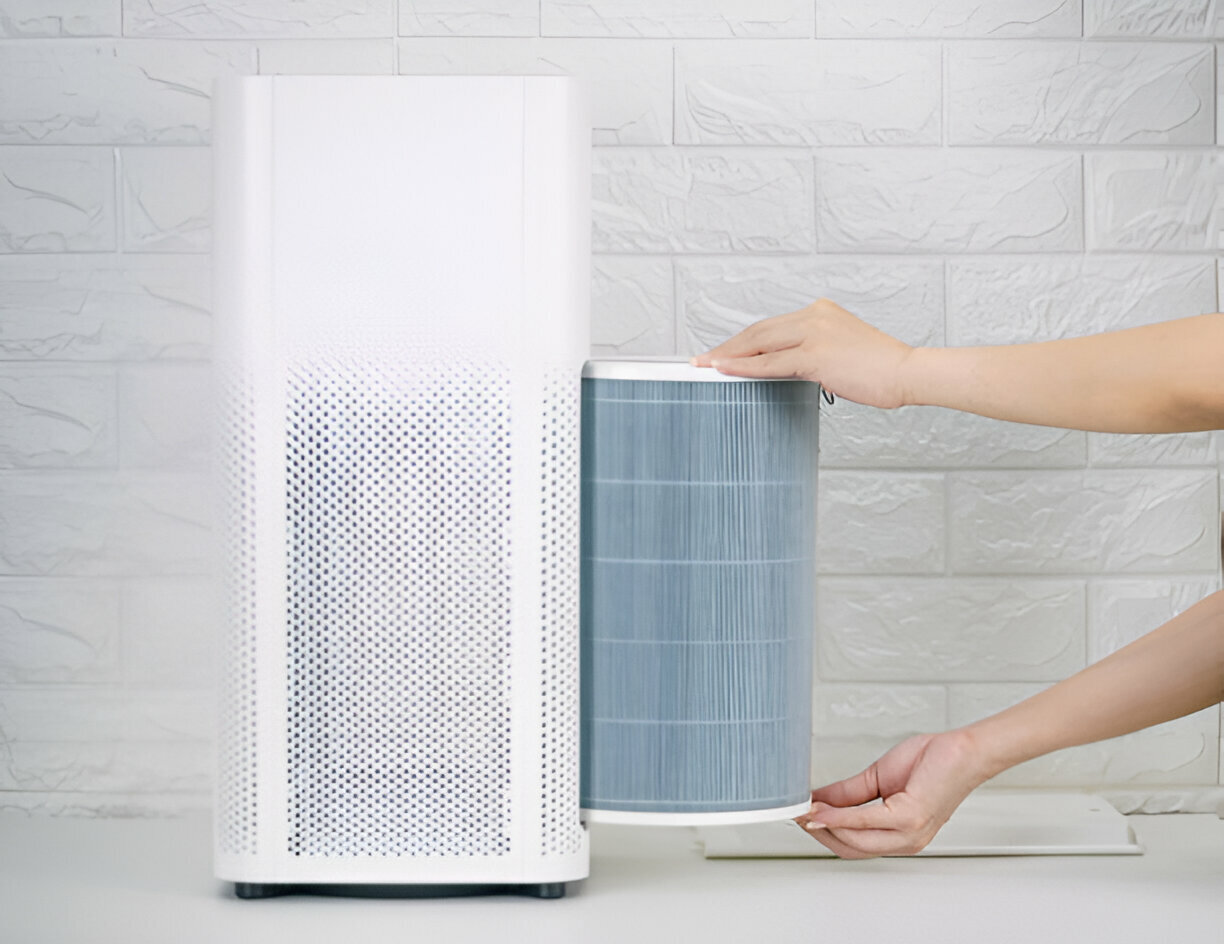
Common indoor air quality issues in Alameda homes
Understanding local risks helps prioritize tests. Typical concerns we see in Alameda include:
- Elevated particulates (PM2.5 and PM10) from wildfire smoke, roadway traffic, and nearby port activity.
- Mold and elevated humidity in older or poorly ventilated homes, especially basements, crawlspaces, and bathrooms.
- Increased VOCs from recent renovations, new paint, carpeting, or imported furniture.
- Carbon monoxide exposure risks from gas appliances, fireplaces, or intermittent backdrafting.
- Imbalanced humidity levels (too high leading to mold; too low causing dry air and irritation).
Types of indoor air quality testing available
We recommend a tailored selection of tests based on your symptoms, building history, and recent activities:
- Particulate monitoring: real-time measurement of PM2.5 and PM10 to quantify smoke, dust, and combustion particles.
- VOC screening and sampling: on-site PID screening for immediate VOC presence and lab samples for detailed VOC speciation.
- Mold spore counts: air sampling for spore concentrations plus surface tape or bulk samples when visible mold or water damage exists. Options include spore trap analysis and lab culture or qPCR testing for species identification.
- Carbon monoxide (CO) testing: spot CO readings and evaluation of combustion appliance ventilation and venting systems.
- Relative humidity and temperature logging: continuous or spot measurements to assess conditions that support mold growth.
- Formaldehyde and specific chemical tests where suspected (new construction materials, pressed wood products).
The testing process and timeline
Testing is structured to be straightforward and minimally disruptive:
- Pre-assessment: Review home history, occupant symptoms, recent renovations, and HVAC equipment. This determines which tests to run.
- On-site baseline readings: Technicians perform an initial walkthrough and take real-time readings for particulates, VOCs (PID), CO, and humidity. This typically takes 30 to 60 minutes.
- Targeted sampling: If detailed analysis is needed, air and surface samples are collected and sent to an accredited lab. Common collection protocols take 1 to 2 hours on-site.
- Lab turnaround: Standard lab analysis for mold and VOC speciation usually returns in 3 to 7 business days. Real-time readings (particulates, CO, humidity) are available immediately.
- Reporting and recommendations: A clear, prioritized report is prepared with interpretations and remediation options.
Overall timeline: same-day on-site screening, with full laboratory-backed findings within one to two weeks depending on test scope.
How results are interpreted
Reports are written to be actionable and easy to understand:
- Quantitative values vs. reference levels: Results compare measured concentrations to public health benchmarks and industry guidelines where available.
- Source assessment: Technicians link likely sources to measured contaminants (for example, rising PM2.5 plus visible smoke indicates outdoor smoke infiltration).
- Risk prioritization: Health-sensitive occupants (children, seniors, people with asthma) receive priority recommendations for immediate mitigation.
- Recommended next steps: Each finding includes practical options and expected effectiveness, cost implications, and urgency.
Recommended remediation and product solutions
Remediation is chosen to match the contaminant and the home layout. Typical solutions for Alameda homes include:
- Whole-house high-efficiency filtration: HVAC upgrades to high-MERV or true HEPA-compatible systems reduce particulates and allergens throughout the home.
- Portable HEPA air purifiers: Target bedrooms or living areas during wildfire smoke events or while VOC off-gassing occurs.
- Activated carbon filters: Effective for VOC reduction and odors. Often paired with particulate filtration for comprehensive treatment.
- Mechanical ventilation and energy recovery ventilators (ERV/HRV): Improve fresh air exchange while controlling energy loss — beneficial in tightly sealed Alameda homes.
- Dehumidifiers: Whole-house or point-of-use units in basements, bathrooms, and crawlspaces to keep relative humidity below 50 percent and reduce mold risk.
- Humidifiers: Controlled humidification in winter if indoor air drops below 30 percent and occupants experience irritation.
- UV germicidal lamps and antimicrobial coil treatments: Supplementary tools when biological growth is found within the HVAC system.
- Carbon monoxide detectors and appliance servicing: CO testing is paired with inspection and tuning of gas appliances, flues, and ventilation to eliminate sources.
Each recommendation includes expected performance, where to place devices, maintenance needs, and how solutions tie into existing HVAC systems.
Reporting, follow-up services, and verification
Comprehensive reporting is part of the service:
- Written report with lab results, interpreted data, photos, and prioritized remediation steps.
- Before-and-after testing to verify remediation effectiveness. For particulate and CO issues, rechecks can be done immediately after mitigation. Mold retesting generally occurs after moisture control and remediation, typically 48 to 72 hours after repairs.
- Ongoing monitoring options: periodic checkups and logging for homes with chronic issues or for occupants with health sensitivities.
How testing ties into service agreements and installations
Air quality testing is often bundled with HVAC maintenance or installations to ensure systems operate as intended:
- Pre-installation testing: Baseline data helps size filtration, ventilation, and HVAC equipment properly for the home’s pollutant profile.
- Post-installation validation: Confirm that new filters, ERVs, or whole-house purifiers are delivering expected reductions.
- Service agreements: Regular IAQ checks can be included in maintenance plans to catch seasonal issues early, maintain warranty conditions, and prolong equipment life.
- Integrated solutions: Testing informs whether a simple filter upgrade is adequate or if more extensive ventilation and moisture control are required.
Long-term benefits and maintenance advice
Regular, professional air quality testing saves money and protects health by identifying problems before they become expensive or dangerous. In Alameda’s climate, routine attention to humidity control, timely HVAC filter replacement, seasonal checks for smoke infiltration during wildfire season, and CO monitoring near combustion appliances are especially important. Periodic retesting after renovations or after resolving water intrusion ensures conditions remain safe and healthy.
Air quality testing in Alameda, CA provides the data you need to make confident decisions about filtration, ventilation, and remediation. Accurate testing, clear reporting, and verified follow-up create a healthier indoor environment tailored to local conditions and your household’s needs.
Service Areas

