


Thermostat Installation in Sunnyvale, CA

Thermostat Installation in Sunnyvale, CA
Upgrading or installing a thermostat is one of the highest-value improvements you can make to your Sunnyvale home comfort system. A correctly selected and professionally installed thermostat improves temperature control, supports multi-stage and heat pump systems, reduces energy waste during hot inland summer afternoons and mild winter nights, and integrates with smart home systems for convenient, efficient operation. Air Flow Pros can help you choose a system that fits your home.
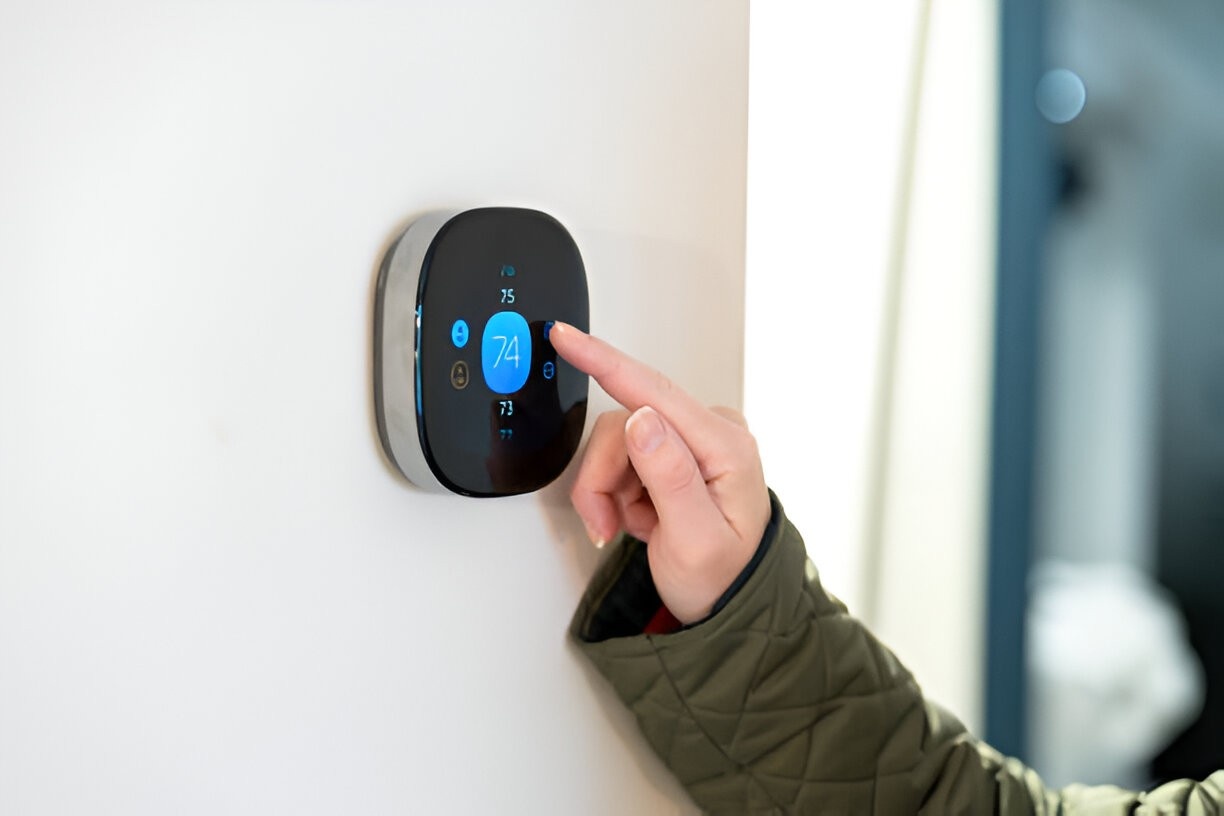
Why professional thermostat installation matters in Sunnyvale, CA
Sunnyvale experiences warm to hot summers, occasional inland heat spikes, and generally mild winters. Homes here often combine central air, heat pumps, gas furnaces, or ductless systems. Incorrect thermostat selection or improper wiring can cause short cycling, inefficient heating and cooling, or even damage to HVAC controls. Professional installation ensures compatibility with your specific system, correct wiring (including the critical C-wire for smart models), and proper programming to match local occupancy patterns and time-of-use energy pricing.
Common thermostat installation issues in Sunnyvale, CA
- Missing or inadequate C-wire for smart thermostat power
- Older line-voltage or millivolt heating systems that are not compatible with low-voltage thermostats
- Multi-transformer systems or equipment with separate controls requiring special adapters
- Heat pump systems needing O/B terminal configuration and correct reversing valve control
- Multi-stage equipment requiring thermostats that support stage sequencing and fan control
- Zoning systems with motorized dampers or communicating systems needing compatible thermostats or interface modules
- Wi-Fi connectivity problems due to home network setup or weak signal at thermostat location
Types of thermostats to consider
- Programmable thermostats: 7-day or 5-2 schedules for consistent setback and recovery
- Smart thermostats: Wi-Fi enabled with learning features, geofencing, remote control, energy reports, and integrations with Apple HomeKit, Google Assistant, or Amazon Alexa
- Heat pump specific thermostats: support for auxiliary/backup heat and O/B valve control
- Zoning-compatible controllers: designed to manage multiple dampers or zones with individual setpoints
- Line-voltage thermostats: for baseboard or radiant electric systems (requires different installation approach)
Professional installation process
- Pre-install assessment
- Review the existing HVAC equipment, control wiring, and electrical service
- Confirm system type (furnace, heat pump, split system, ductless) and staging
- Evaluate location for accurate sensing and Wi-Fi signal
- Model selection and compatibility planning
- Select a thermostat that supports your system features and local needs (multi-stage, heat pump, zoning)
- Determine if a C-wire adapter, power extender, or dedicated common wire run is required
- Safe power shutdown
- Turn off system power at the breaker and the equipment switch to protect electronics
- Removal and labeling
- Remove the existing thermostat, label each wire, and photograph the old wiring for reference
- Wiring and mounting
- Repair or replace wallplate and wiring as needed
- Install a new C-wire or use a compatible power adapter when a dedicated C-wire is not available
- For line-voltage systems, install the correct control interface or use a line-voltage thermostat
- Configuration and programming
- Set system type, heat/cool staging, fan and compressor settings, and auxiliary heat parameters
- Connect to the home Wi-Fi and link to home automation platforms if applicable
- Testing and commissioning
- Run heat and cool cycles, verify staging and differential settings, and ensure all zones call correctly
- Check that the thermostat communicates with the outdoor unit and any zone dampers
- User orientation and documentation
- Provide a walkthrough of schedule programming, app control basics, and energy-saving features
- Leave documentation on wiring and system configuration for future service
Wiring and zoning considerations
- C-wire: Most smart thermostats require a common wire for continuous power. Where a C-wire is absent, options include installing a new wire, using a professionally installed power extender, or selecting a thermostat that supports power stealing only when compatible.
- Multi-stage and communicating systems: If your Sunnyvale home has a 2-stage compressor, 2-stage heat, or a communicating control bus, choose a thermostat that supports those features or use the OEM controller.
- Zoning: Thermostats for zoned systems must coordinate with zone controllers and damper actuators. A single-zone thermostat cannot control multiple dampers without a proper zone control panel.
- Ductless mini-splits: Many ductless systems use proprietary remotes or require specific interface modules for third-party thermostats.
Smart setup and energy-saving tips for Sunnyvale homes
- Use setback schedules: Raise cooling setpoints to ~78F when home and higher when away to reduce AC runtime during warm months while maintaining comfort.
- Enable adaptive recovery: Let the thermostat pre-cool or pre-heat so the home reaches setpoints at the scheduled time without overshooting.
- Use geofencing and occupancy sensing: Automatically switch to eco modes when the house is empty, and resume comfort as occupants return.
- Take advantage of time-of-use rates: Schedule heavy cooling or heating outside peak pricing windows when possible.
- Fan control and humidity: Set fan to auto for efficiency; for high-humidity days, coordinate thermostat and HVAC humidification or dehumidification settings.
- Firmware updates: Keep thermostat firmware current for performance improvements and efficiency features.
- Integrate with home systems: Link thermostat schedules to window shading, smart plugs, or attic fans to reduce cooling loads during heat events.
Warranty, maintenance, and long-term reliability
- Warranty: Thermostats typically carry manufacturer warranties; professional installation may be required to maintain certain warranty terms on the thermostat or HVAC equipment.
- Routine checks: Include thermostat performance in annual HVAC tune-ups. Technicians should verify wiring integrity, sensor accuracy, and that thermostat settings match system capabilities.
- Battery and backup: Replace batteries annually in battery-backed models and confirm the C-wire delivers stable 24V power.
- After system changes: If you replace the air conditioner, furnace, or add zoning, have the thermostat re-commissioned to ensure compatibility and optimal performance.
Service Areas

