


Thermostat Installation in Pacifica, CA

Thermostat Installation in Pacifica, CA
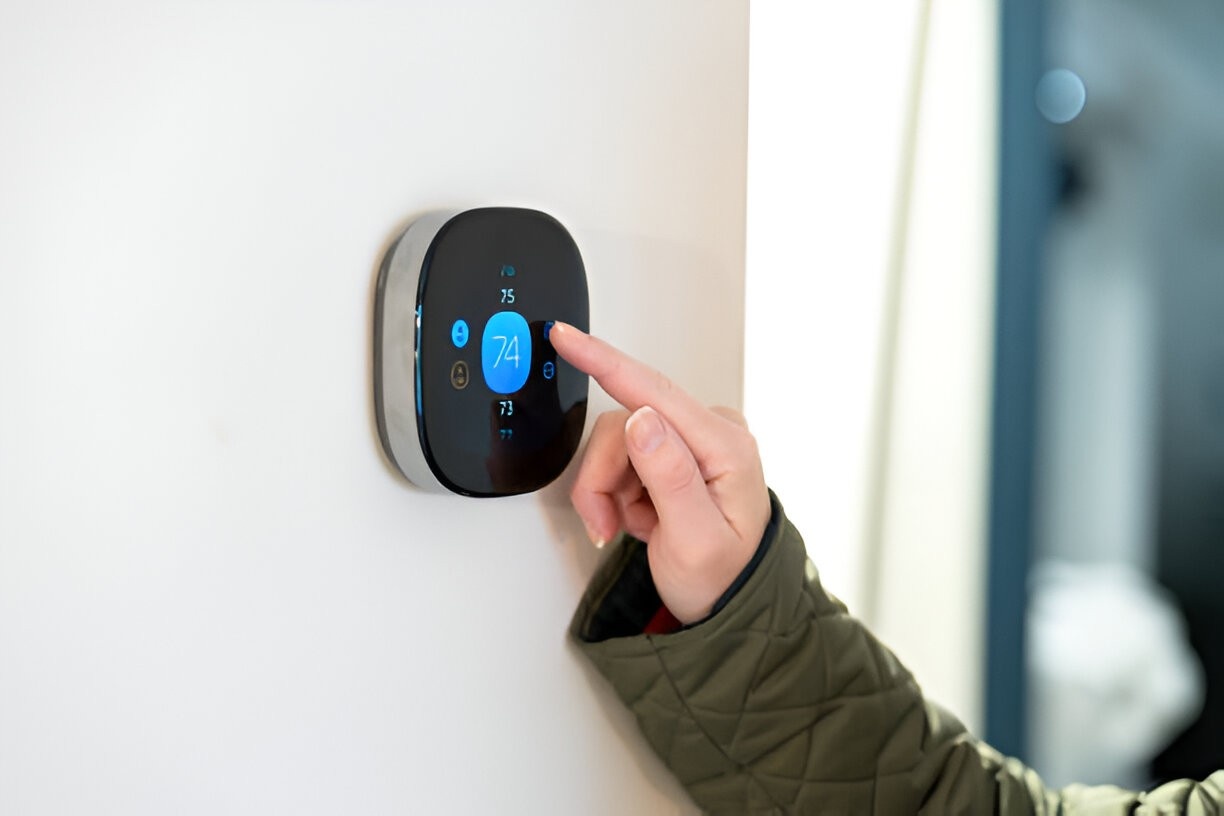
Upgrading or installing a thermostat in your Pacifica, CA home is one of the fastest ways to improve comfort, reduce energy use, and get better control over heating and cooling. Whether you are replacing an old programmable model with a Wi‑Fi or smart thermostat, adding zone controls, or installing a unit compatible with a heat pump or ductless system, professional thermostat installation ensures correct wiring, proper configuration, and reliable operation in Pacifica’s coastal climate. Air Flow Pros can help you choose a system that fits your home.
Why a professional thermostat installation matters in Pacifica
Pacifica homes face specific conditions that affect thermostat performance: coastal fog and salt air, mild daytime temperatures with cool evenings, and significant microclimate variation from one neighborhood to another. A professional installer will:
- Confirm compatibility with existing HVAC equipment such as heat pumps, gas furnaces, air conditioners, and ductless mini splits.
- Verify wiring quality and the presence of a C‑wire or provide an approved power adapter to avoid intermittent power issues.
- Position the thermostat to avoid false readings from drafty entryways, sunlit walls, or exterior doors—important in homes where ocean breezes and fog create uneven indoor conditions.
- Test and calibrate the system to prevent short cycling, inaccurate temperature control, or inefficient runtime.
Common thermostat installation types and upgrades
- Basic programmable thermostats: 7‑day or 5/2 schedules for predictable routines.
- Wi‑Fi thermostats: Remote control, energy reports, and alerts via smartphone.
- Smart or learning thermostats: Adaptive schedules, learning algorithms, and integration with other smart home devices.
- Heat pump compatible thermostats: Support for multi‑stage heating/cooling and emergency heat settings.
- Zoning thermostats: Multiple thermostats tied to motorized dampers for room-by-room comfort—useful in Pacifica homes with large windows or variable sun exposure.
- Thermostats integrated with indoor air quality equipment: Control ventilation, humidifiers, or whole‑house air filtration systems.
What to expect during a professional installation
A thorough installation follows a clear process to ensure safety and performance:
- Consultation and selection
Discuss your comfort goals, typical daily schedule, and whether you want Wi‑Fi, smart features, or zoning. The right choice depends on your HVAC type, home layout, and usage patterns common in Pacifica homes. - Compatibility and wiring check
Technicians inspect the existing control wiring, verify voltage requirements, and confirm compatibility with heat pumps, furnaces, or mini‑splits. If your home lacks a C‑wire, installers will propose solutions such as a common wire adapter, a power extender, or running a new wire. - Mounting and electrical connection
The thermostat is mounted away from heat sources, drafts, and direct sun. Wiring is secured, labeled, and connected to the correct terminals (R, RC, W, Y, G, C, etc.). Installers follow local electrical codes and best practices to protect against corrosion in coastal environments. - Configuration and calibration
Settings are adjusted for equipment type (single stage, multi stage, heat pump), system cycles, fan control, and temperature swing. Installers run diagnostic tests to confirm correct signal to the HVAC unit and check for short cycling, flame rollout, or compressor lockout conditions. - Programming and user training
You receive hands‑on instruction on scheduling, mode selection, overrides, and Wi‑Fi or app setup. Installers explain how to use energy‑saving features, set up geofencing if available, and adjust settings for Pacifica’s mild days and cool nights. - Final testing and documentation
The system is tested through full heating and cooling cycles. Installers leave documentation about wiring, default schedules, and any warranty or service agreement information.
Energy‑saving scheduling tips for Pacifica homes
- Use small setback intervals: Because Pacifica nights are cool but not extreme, program modest setbacks for overnight and daytime away periods to avoid overcompensating with long recovery cycles.
- Time heating for occupancy: Schedule warmth to start about 20 to 30 minutes before you wake or return home to maximize comfort while minimizing runtime.
- Leverage mild daytime temps: If daytime temperatures stay comfortable, use an Away mode or open windows instead of running HVAC continuously.
- Use zoning for sun‑exposed rooms: North and west facing rooms may require different schedules; zoning reduces unnecessary heating or cooling of unused spaces.
- Enable smart features: Use geofencing, adaptive recovery, and energy reports on Wi‑Fi thermostats to fine tune performance over time.
Troubleshooting basics after installation
Most problems are straightforward and often related to wiring, settings, or connectivity:
- Blank display or no power: Often a missing or weak C‑wire or incorrect wiring. Check power wiring; power extenders can resolve this without rewiring.
- Temperature reading seems wrong: Thermostat placement near drafts, direct sun, or interior heat sources can skew readings. Repositioning or sensor calibration helps.
- Short cycling or frequent on/off cycles: Incorrect equipment configuration (stages) or improper thermostat anticipator settings for older systems can trigger this.
- Wi‑Fi or app connection issues: Confirm home network stability and ensure the thermostat firmware is up to date. Coastal homes with concrete or metal framing may need a Wi‑Fi range check.
- Incorrect heat pump behavior: Ensure the thermostat is set for heat pump mode and that emergency heat settings are understood to avoid unnecessary auxiliary heat use.
Warranty and service agreement details
- Manufacturer warranties typically cover defects in the thermostat hardware for a specified period. Coverage varies by model and brand.
- Labor warranties from the installing contractor cover installation workmanship. These may include repair or reinstallation if improper wiring or setup is identified after installation.
- Service agreements offer ongoing inspections, firmware updates, and priority service for integrated HVAC control systems. For coastal homes, periodic checks can help catch wiring corrosion or humidity related issues early.
- Keep documentation on model numbers, installation notes, wiring diagrams, and firmware versions—this simplifies future service calls and warranty claims.
Service Areas

