


Air Quality Testing in Pacifica, CA

Air Quality Testing in Pacifica, CA
Indoor air quality testing in Pacifica, CA helps homeowners and businesses understand what is actually in the air you breathe, why occupants may be experiencing symptoms, and which targeted fixes will produce measurable improvements. Pacifica’s coastal climate, frequent fog, elevated humidity in low-lying homes, and seasonal wildfire smoke intrusions from inland fires create a unique mix of risks: higher mold potential, salt-corrosion concerns for equipment, and episodic spikes in particulate pollution. Types of tests we commonly perform in Pacifica homes, how assessments are done, how results are interpreted, recommended remediation options, expected timelines, and verification follow-up so you can make an informed decision. Air Flow Pros can help you choose a system that fits your home.
Why get indoor air quality testing in Pacifica, CA
- You or family members have unexplained respiratory symptoms, headaches, or allergies that worsen at home.
- You smell persistent mustiness, chemical odors after renovations, or notice visible mold.
- You have a recently completed remodel, new carpeting, or furniture and want to confirm off-gassing levels.
- You live in a low-ventilation or older home where moisture and cooking emissions accumulate.
- You want data to prioritize HVAC improvements, filtration upgrades, or mold remediation.
Common air quality issues in Pacifica, CA
- Elevated particulates during wildfire season and when smoke drifts into the Bay Area.
- Increased indoor humidity and mold growth in coastal fog-prone and poorly ventilated homes.
- VOCs from paints, adhesives, new flooring, and household products after renovations.
- Carbon monoxide (CO) risks from gas appliances or blocked vents in tightly sealed homes.
- Salt-laden marine air contributing to corrosion and potential HVAC performance issues.
Types of tests offered
We routinely perform a combination of the following to get a complete picture:
- Particulate matter (PM2.5 and PM10) real-time monitoring to detect fine and coarse particles, including smoke.
- Total volatile organic compounds (TVOCs) and specific VOC screening when a chemical source is suspected.
- Carbon monoxide (CO) spot checks and time-based monitoring for fluctuating sources.
- Relative humidity and temperature logging to identify moisture conditions that promote mold.
- Airborne mold spore counts using spore trap samplers and laboratory analysis for species identification when needed.
- Surface or bulk sampling for mold in building materials when visible contamination or water intrusion is present.
- Targeted gas and chemical canister sampling for precise lab identification in complicated situations.
Assessment and sampling procedures
- Initial walkthrough: technician documents building layout, occupant complaints, visible moisture or mold, HVAC configuration, and potential indoor sources such as gas appliances or recent renovations.
- Baseline monitoring: placement of portable monitors in primary living spaces and problem rooms to record particulates, CO, VOCs, humidity, and temperature over a sampling period (from a few hours to 48 hours for short-term assessments).
- Active sampling: when lab analysis is required, air pumps with spore traps or sorbent tubes are run for a calibrated time, and samples are sealed and sent to an accredited lab.
- Surface and bulk collection: when mold is visible or suspected in materials, swabs or material samples are taken following containment and chain-of-custody procedures.
- Documentation: photos, measurements, and a log of activities and environmental readings are kept to support interpretation and remediation planning.
How results are interpreted
- Results are compared to established reference values and health-based guidelines for particulates, CO, and humidity. For mold and VOCs, interpretation focuses on indoor versus outdoor ratios, species present, and concentrations relative to typical background levels.
- Elevated PM2.5 during smoke events will show distinct spikes; sustained indoor increases indicate inadequate filtration or infiltration pathways.
- High humidity readings (above 60% relative humidity) with corresponding mold spore elevations point to moisture control issues rather than a one-time contamination event.
- VOC patterns tied to recent work (paint, adhesives) indicate source control is necessary until off-gassing declines.
- CO levels above recognized safety thresholds require immediate investigation of combustion appliances, venting, and flue integrity.
Recommended remediation options based on findings
Remediation is prioritized by health risk and persistence of the issue. Common, effective solutions include:
Filtration
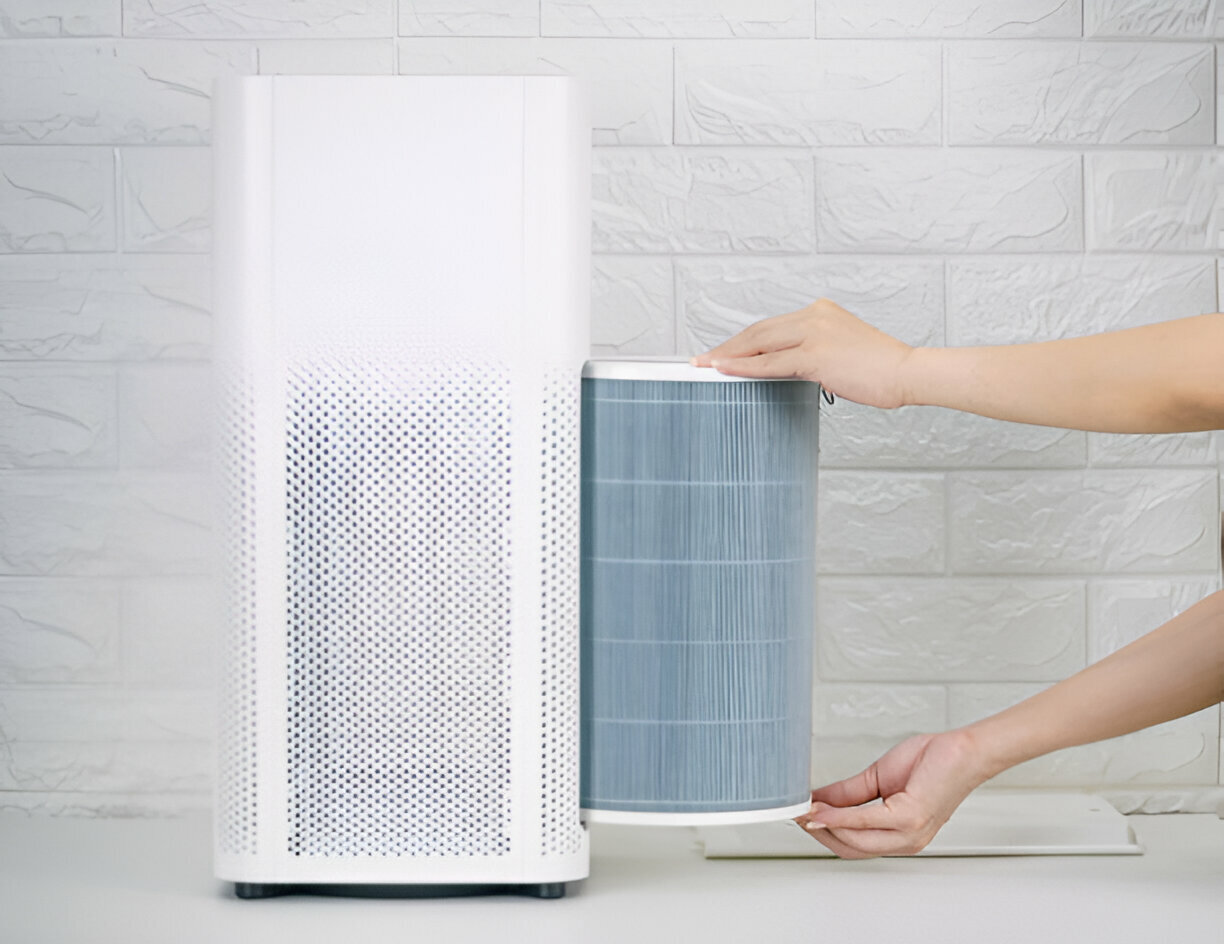
- Portable HEPA air cleaners for targeted rooms to rapidly reduce particulates and mold spores.
- Whole-house filtration upgrades: higher MERV filters compatible with your HVAC system or whole-house HEPA solutions to reduce PM and allergens.
Ventilation improvements
- Mechanical ventilation (ERV/HRV) to bring controlled fresh air while minimizing moisture and outdoor pollutant intrusion.
- Local exhaust for kitchens and bathrooms to remove moisture and combustion byproducts at the source.
Dehumidification and moisture control
- Standalone or whole-house dehumidifiers to maintain relative humidity between 40% and 50% in Pacifica’s fog-prone conditions.
- Repair of water intrusion, grading and drainage improvements, and crawl space encapsulation where needed.
Source control and repairs
- Repair or service of gas appliances, chimneys, and flues to eliminate CO risks.
- Removing or encapsulating mold-damaged materials using industry-accepted remediation practices when contamination is confirmed.
- Replacing or cleaning HVAC components and ducts when contamination or accumulation is detected.
Targeted chemical mitigation
- Increasing airing-out periods after renovations, use of low-VOC materials, and temporary isolation of high-emission items until off-gassing declines.
Typical timelines
- Onsite screening and real-time monitoring: same day to 48 hours, providing immediate insight into obvious issues.
- Laboratory analysis for mold and VOCs: sample turnaround commonly 2 to 7 business days depending on the tests requested.
- Remediation work: varies by scope. Small filtration and ventilation changes can be completed in days. Mold remediation and repairs may take several days to weeks depending on affected area and drying time.
- Verification testing: performed after remediation to confirm effectiveness; recommended 24 to 72 hours after completion for particulate and VOC reductions, or once materials are fully dried and repairs are complete for mold verification.
Reporting and follow-up verification testing
- Final reports are delivered with clear executive summaries, raw data tables, time-series charts, photographs, and a prioritized action plan that lists recommended fixes, expected outcomes, and monitoring suggestions.
- Reports explain results in plain language, note health implications, and identify whether immediate action is required for occupant safety.
- Follow-up verification testing is recommended after remediation to confirm that filtration upgrades, moisture control, or mold removal achieved the intended reductions. Verification testing uses the same baseline methods to allow direct comparison.
Long-term maintenance and prevention tips for Pacifica homes
- Maintain relative humidity between 40% and 50% to reduce mold risk while preserving occupant comfort.
- Use kitchen and bathroom exhaust fans during and after cooking and bathing; ensure fans vent to the outdoors.
- During wildfire smoke events, run high-efficiency filtration and keep outdoor air intake minimized; monitor PM2.5 during episodes.
- Schedule periodic HVAC inspections and filter changes with filters rated appropriately for your system (consult manufacturer guidance for MERV compatibility).
- Choose low-VOC materials for renovations and allow adequate airing-out before reoccupying newly finished spaces.
Accurate air quality testing in Pacifica, CA provides the evidence needed to prioritize interventions that protect occupant health and maximize the effectiveness of HVAC and building improvements. Well-documented testing, appropriate remediation, and verification testing together create lasting indoor air improvements tailored to Pacifica’s coastal and episodic smoke exposure challenges.
Service Areas

