


Heating Service in Colma, CA

Heating Service in Colma, CA
Keeping your home warm, safe, and efficient during cooler Bay Area nights requires heating service that truly understands Colma's unique coastal climate, older housing stock, and common system challenges. Air Flow Pros delivers professional heating service in Colma, CA, covering everything from diagnostics and routine repairs to preventative maintenance options. We're transparent about technician qualifications, how we address common problems, how estimates are provided, the value of our service agreements, and how we handle both emergency and regular visits, ensuring you always know what to expect.
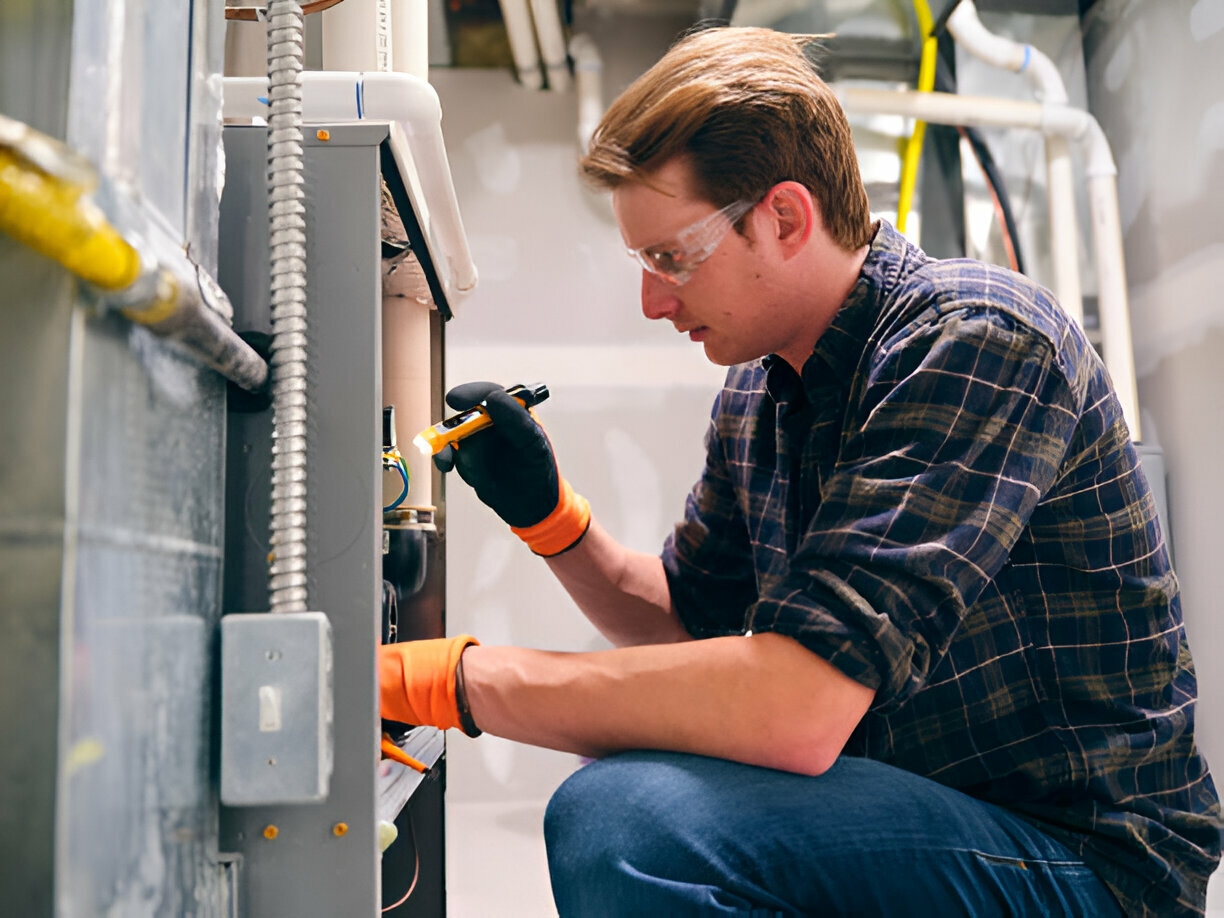
Why local heating service matters in Colma, CA
Colma sits in a marine-influenced microclimate: cool nights, frequent fog, and salty air. Those conditions accelerate corrosion on outdoor components, contribute to higher condensation in ducts and drains, and mean many residents run heat intermittently rather than continuously. Local technicians adapt diagnostics and maintenance to these realities, focusing on corrosion prevention, condensation control, and equipment tuning that reduces short-cycling and energy waste.
Common heating types and issues in Colma homes
The Bay Area uses a mix of systems. Local heating service commonly supports:
- Gas furnaces (upflow and downflow)
- Heat pumps and hybrid systems
- Ductless mini-splits
- Boilers in select older homes
- Thermostats, zoning, and controls
Common heating issues in Colma, CA include:
- Intermittent operation or short-cycling from thermostat or control faults
- Ignition or pilot failures on gas furnaces
- Blower motor or fan problems reducing airflow
- Corrosion and electrical connection issues from coastal salt air
- Condensate drain blockages and associated moisture damage
- Refrigerant leaks or reversing valve faults on heat pumps
- Reduced efficiency from dirty filters, burners, or coils
- Cracked heat exchangers or other safety-related failures in older units
Diagnostic process: what to expect
Professional diagnostics follow a methodical, safety-first approach:
- Visual inspection of the system and vents for corrosion, leaks, and airflow restrictions
- Thermostat verification and room temperature checks
- Electrical checks including controls, wiring, and connection integrity
- Combustion analysis for gas appliances and inspection of burners and heat exchanger condition
- Airflow measurement and filter/duct inspection
- Refrigerant pressure and leak detection for heat pumps
- Report and written estimate outlining recommended repairs, parts, labor, and options
Diagnostics are designed to identify root causes, not just symptoms, so repairs target long-term reliability and efficiency.
Typical repairs and solutions explained
Technicians address a range of mechanical and control issues using industry-standard parts and replacement procedures:
- Ignition and control repairs: replace faulty ignitors, pilot assemblies, or control boards
- Blower and motor service: clean or replace blower wheels, motors, belts, and capacitors to restore proper airflow
- Safety repairs: replace limit switches, pressure switches, or heat exchangers when safety concerns are detected
- Refrigeration repairs: locate and repair refrigerant leaks, recharge systems, or replace failing components on heat pumps
- Duct and ventilation fixes: seal leaks, clean vents, and correct damper or zoning problems to improve comfort balance
- Corrosion mitigation: replace corroded components and protect outdoor sections with appropriate materials or coatings
For situations where repair is not cost-effective or safe, technicians will outline options for replacement, efficiency gains, and expected lifecycle benefits.
Preventative maintenance options
Routine maintenance is the most effective way to avoid emergency breakdowns and keep operating costs down. Standard maintenance tasks include:
- Cleaning or replacing filters and inspecting return air pathways
- Tightening electrical connections and testing controls
- Cleaning burners, heat exchanger inspections, and combustion testing for gas systems
- Lubricating moving parts and checking belt tension
- Checking condensate drains and traps to prevent backups and moisture damage
- Verifying thermostat calibration and system cycling behavior
Maintenance plans often include seasonal inspections, priority scheduling, discounts on repairs, and documentation of service history that helps preserve warranties and resale value.
Technician qualifications and standards
Quality heating service in Colma, CA relies on qualified technicians who typically hold:
- State contractor or HVAC licenses required for service and repair
- NATE or manufacturer certifications (for example Trane or similar) to service specific equipment correctly
- EPA certification for refrigerant handling
- Regular training on safety protocols, combustion analysis, and diagnostics
- Background checks and professional conduct standards for entry into homes
Technicians follow safety checklists and code requirements to ensure repairs are effective and compliant.
Pricing and estimate process
Transparent pricing and clear estimates are important at the decision stage. Typical practices include:
- A flat-rate diagnostic fee or diagnostic included with larger repairs or maintenance plans
- Written estimates that break down parts, labor, warranty, and any required permit fees
- Explanation of repair options versus replacement, including estimated energy savings and expected life extension
- Disclosure of available warranties on parts and workmanship and how they apply
This process helps homeowners make informed decisions based on long-term value, not just upfront cost.
Service agreements: benefits for Colma homeowners
A service agreement or maintenance plan provides tangible benefits:
- Scheduled seasonal tune-ups to prevent winter failures
- Priority response for appointments and emergency service windows
- Reduced or waived diagnostic fees for covered breakdowns
- Discounts on parts and labor and documented service history
- Improved equipment efficiency and potentially lower utility bills
For Colma residents, agreements are particularly useful to stay ahead of coastal corrosion and condensation-related issues.
Emergency and regular service logistics
Emergency heating problems can present safety risks, especially with gas systems. Effective protocols include:
- Responding to gas odors, repeated shutdowns, or suspected carbon monoxide exposures with immediate safety steps: evacuate if you smell gas or suspect CO, ventilate if safe, and avoid operating open flames or electrical switches
- Emergency service availability 24/7 is common for urgent safety issues; typical response timeframes vary by local demand and severity
- Regular service visits are scheduled during non-emergency hours with defined appointment windows and pre-service checklists to maximize the value of each visit
Emergency response also includes documenting repairs and recommending preventive steps to avoid recurrence.
For decision-ready homeowners, understanding the diagnostic process, typical repairs, and the advantages of a maintenance plan helps choose the service path that matches your budget, schedule, and safety priorities.
Service Areas

