


Furnace Repair in Colma, CA

Furnace Repair in Colma, CA
When your furnace stops producing heat or starts acting up in Colma, CA, the disruption is immediate. Bay Area winters, though mild, are damp, and coastal fog and humidity can accelerate corrosion and electrical issues in heating systems. Air Flow Pros provides professional furnace repair in Colma, ensuring your home stays safe, comfortable, and energy efficient. We expertly address the unique challenges Colma homes face, like older installations, salt air exposure, and thermostat sensitivity, so you can enjoy reliable warmth.
Common furnace problems Colma homeowners call about
Understanding common failure modes helps you spot issues early and avoid emergency breakdowns.
- No heat or intermittent heat - unit runs but fails to warm the home.
- Short cycling - furnace starts and stops frequently, raising wear on components.
- Strange noises - rattling, banging, or squealing that indicate mechanical or airflow problems.
- Weak airflow - reduced heating output often caused by blower or duct issues.
- Pilot or ignition failure - older pilots or electronic igniters failing to produce a steady flame.
- Odors or visible corrosion - musty, burning, or metallic smells and rust around components.
- Safety faults - repeated limit switch trips, gas odor, or suspected carbon monoxide risk.
How we diagnose furnaces in Colma
A thorough diagnostic separates quick fixes from issues that need parts or safety intervention. Typical diagnostic steps include:
- Visual inspection of the furnace cabinet, venting, and surrounding area for rust, leaks, or obstruction.
- Safety checks including carbon monoxide screening, gas leak sniffing, and combustion analysis when needed.
- Thermostat and control checks to confirm proper setpoints, wiring and communication.
- Electrical and component inspection - control board, capacitors, transformers, and wiring for shorts or failures.
- Ignition and flame checks - testing electronic igniters, flame sensors, or pilot assemblies.
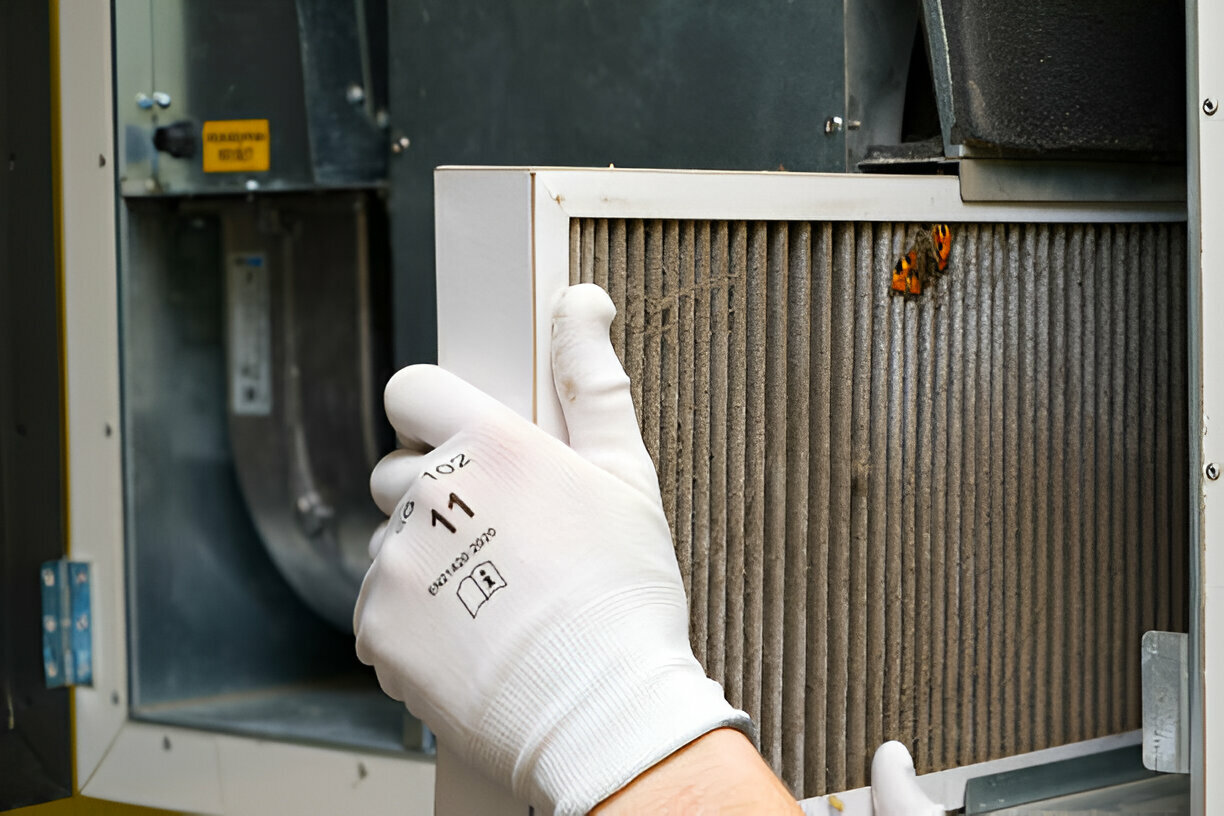
- Blower and airflow assessment - filter condition, blower motor function, belts, and duct airflow.
- Heat exchanger review - visual inspection for cracks or corrosion that create safety hazards.
Diagnostics are performed in a way that protects delicate components from coastal humidity-related corrosion and ensures venting meets local code requirements.
Typical repair scenarios and clear solutions
Below are common problems with straightforward, non-technical explanations of what is done to fix them.
- No heat but furnace runs: We check the thermostat, ignition sequence, and flame detection. Often a failing flame sensor or dirty igniter cleaning restores reliable operation.
- Short cycling: Causes include clogged filters, restricted airflow, or a failing thermostat. We inspect the blower, replace restrictive filters, and verify thermostat placement and settings to correct cycling.
- Strange mechanical noises: Squeals often mean a worn blower bearing or belt; rattles can be loose panels or failing inducer motors. Repairs range from tightening panels to replacing bearings or motors to eliminate noise.
- Weak or no airflow: This is usually a blower, capacitor, or duct issue. We test the blower motor and capacitor and inspect ducts for blockages or disconnected runs.
- Odors and corrosion: We identify the source, clean or replace corroded parts, and check for improper venting or combustion problems to restore safe operation.
Parts replacement and component options
Common parts replaced during furnace repair include igniters, flame sensors, control boards, gas valves, blower motors, capacitors, inducer motors, limit switches, and flame rollout switches. For homes near the coast like Colma, we also evaluate corrosion-prone items and may recommend more corrosion-resistant replacements for long term reliability.
All replacement parts are matched to the furnace model and building codes. Wherever possible, we use factory-authorized or OEM-equivalent parts to maintain efficiency and compatibility.
Estimated timelines for repairs
- On-site diagnostics typically take one visit lasting between 30 minutes and 90 minutes depending on system complexity.
- Minor repairs and component cleanings are commonly completed the same day.
- Parts replacement that requires special-order items or extensive disassembly may require additional scheduling and up to a few days to complete based on part availability.
Timelines account for coastal deliveries and parts sourcing relevant to the Colma area.
Emergency repair protocols
Colma homes with safety concerns receive prioritized attention. Emergency procedures include:
- Immediate safety triage for gas leaks, suspected carbon monoxide, or open flame issues.
- Isolation of unsafe equipment and recommending temporary ventilation or shutoff procedures until repairs can be made.
- Rapid diagnostic service to determine whether a unit can be safely restored or must be taken out of service.
Technicians follow local codes and industry safety practices while working to restore heat without compromising occupant safety.
Technician credentials and workmanship standards
Our technicians are licensed and insured heating professionals with factory training on major brands. Credentials commonly include:
- State HVAC contractor licensing and general liability coverage.
- Manufacturer training and certifications for leading brands.
- Continuing education to stay current on modern controls, modulating furnaces, and energy efficient systems.
- Background-checked and professional conduct to protect your home.
Technicians follow written repair procedures, document findings, and explain options in plain language so you understand the problem and solution.
Warranty and service assurances
Repairs are backed by a parts and labor warranty that aligns with industry standards. Warranty length may vary by part type and manufacturer; you will receive clear documentation of coverage and any eligibility for extended service agreements. Warranty repairs are handled according to manufacturer guidelines and local code requirements.
Repair versus replacement guidance for Colma homes
Deciding to repair or replace depends on multiple factors, explained simply:
- Age of the furnace - older units become less efficient and more costly to maintain.
- Frequency and cost of recent repairs - repeated failures suggest diminishing returns on repair.
- Safety concerns - cracked heat exchangers or major venting problems often require replacement.
- Efficiency and comfort goals - newer high-efficiency furnaces provide more consistent comfort and reduced energy use, which matters in Bay Area energy-conscious homes.
When replacement is the prudent option, recommendations consider home size, duct condition, thermostat upgrades, and any local climate or installation constraints typical to Colma.
Preventive maintenance and long-term benefits
Regular maintenance keeps furnaces running efficiently and prevents emergency breakdowns. Key maintenance items include annual safety inspection, filter replacement, combustion and venting checks, and blower cleaning. In Colma’s coastal environment, attention to corrosion-prone components and proper vent sealing extends equipment life.
Properly maintained heating equipment improves comfort, reduces unexpected downtime, and preserves indoor air quality by ensuring filters and combustion systems operate correctly.
Furnace Repair in Colma, CA requires attention to safety, local climate influences, and system age. A methodical diagnostic approach, experienced technicians, quality parts, and clear guidance on repair versus replacement help you restore reliable heat and protect your home. Regular maintenance tailored to coastal conditions reduces future breakdowns and keeps your system operating safely and efficiently.
Service Areas

