


Furnace Maintenance in Alameda, CA

Furnace Maintenance in Alameda, CA
Keeping your furnace well maintained is one of the most cost-effective steps you can take to ensure reliable, efficient heating and safe operation in Alameda, CA homes. Regular furnace maintenance reduces energy bills, extends equipment life, prevents emergency breakdowns during cool Bay Area nights, and helps protect against safety risks like carbon monoxide. You'll gain insights into what a seasonal tune-up involves, how to address common local issues, and the peace of mind that comes with a preventative maintenance checklist and recommended schedules. Learn how Air Flow Pros' service agreements help you avoid unexpected repairs and keep your Alameda home comfortable.
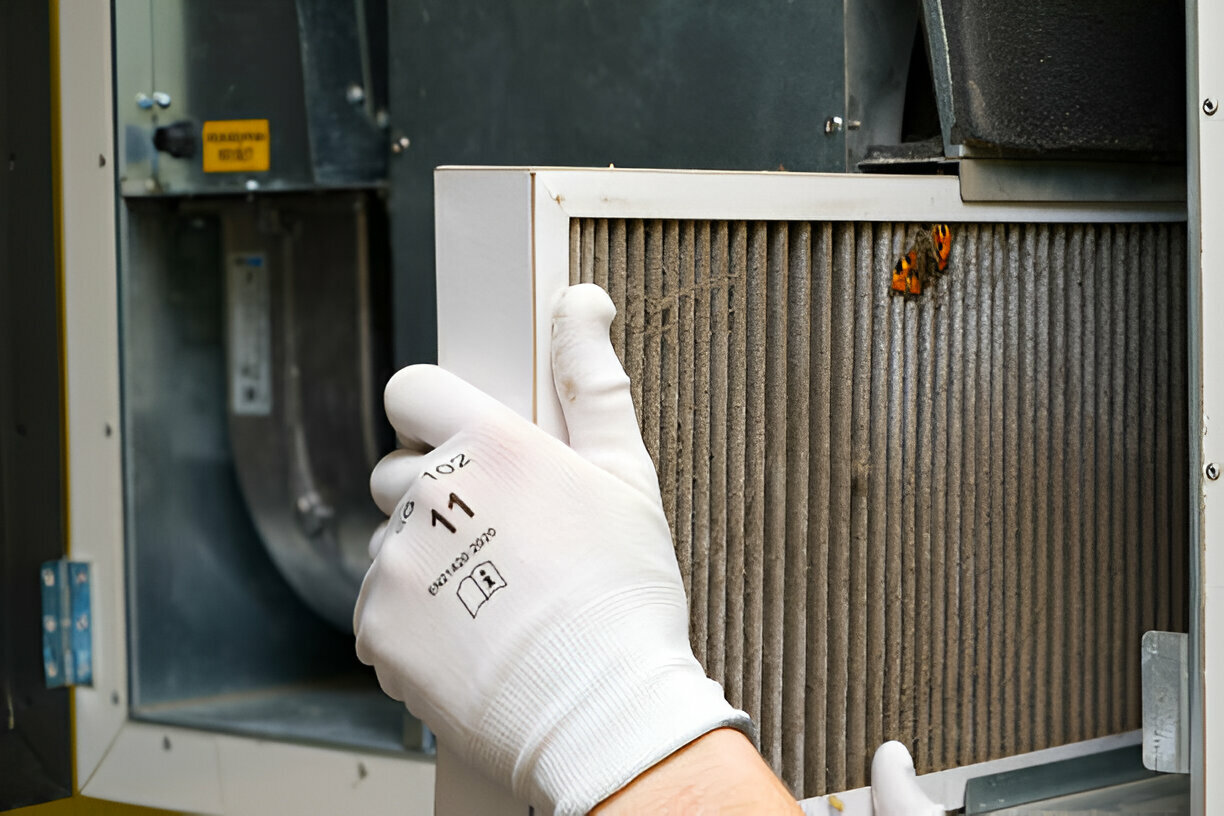
Why regular furnace maintenance matters in Alameda, CA
Alameda’s mild Mediterranean climate and proximity to the Bay mean homeowners often run heating intermittently: cool mornings and evenings, fog, and occasional cold snaps. Those conditions combined with coastal salt air and humidity can accelerate corrosion, clog components, and stress electrical connections. Proper maintenance addresses those local challenges by keeping burners, vents, and controls clean and calibrated so your furnace runs efficiently when you need it.
Common furnace maintenance issues in Alameda
- Corrosion and rust on outdoor venting or flue components from salt air exposure
- Clogged filters and reduced airflow after summer HVAC use or construction
- Dirty burners and flame sensors causing inefficient combustion or short cycling
- Worn blower belts, bearings, or motors that increase energy use and noise
- Thermostats out of calibration leading to uneven comfort and extra runtime
- Duct leaks in older Alameda homes that reduce effective heat delivery and efficiency
- Condensate drain or trap issues on high-efficiency furnaces due to humidity
What a professional seasonal tune-up includes
A thorough seasonal tune-up is a step-by-step diagnostic and cleaning process designed to restore safe, efficient operation. Technicians typically perform the following tasks and checks:
- Visual inspection of furnace cabinet, panels, vents, and flue with attention to corrosion or damage
- Replace or inspect air filters and recommend the correct MERV rating for your home
- Clean or vacuum burners, pilot assembly or ignition system, and flame sensor to ensure stable combustion
- Inspect heat exchanger for visible cracks or corrosion and test for proper operation
- Test gas pressure and valve operation on gas furnaces to confirm safe combustion
- Inspect and clean blower wheel and housing; check motor amperage and lubrication points
- Test and calibrate thermostat settings and verify temperature swing and sensor accuracy
- Check safety controls, limit switches, and ignition controls for proper response
- Inspect and tighten electrical connections; check capacitors and relays
- Measure system airflow and static pressure; inspect return and supply registers
- Verify venting and draft; measure flue temperature and look for signs of backdrafting
- Check condensate drain and traps on high-efficiency units to prevent blockages
- Perform a carbon monoxide check around the furnace and venting areas
- Provide a written report with findings, efficiency observations, and prioritized repair recommendations
All items are explained in plain language during the visit so you understand the condition of your system and options for required or recommended repairs.
Preventative maintenance checklist you can use
- Replace or clean filters every 30 to 90 days depending on filter type, pets, and indoor air quality needs
- Schedule a professional furnace tune-up once per year, ideally in early fall before the heating season
- Inspect vents and registers for blockages or closed dampers
- Keep the area around indoor units clear of storage, paint cans, or debris that restricts airflow
- Check thermostat operation seasonally and replace batteries yearly
- Monitor for unusual noises, odors, increased cycling, or spikes in energy bills—these are early signs that service is needed
- Ensure outdoor vent terminals and intake openings are free of leaves, trash, and bird nests
Recommended maintenance schedule for Alameda homes
- Annual professional tune-up: Every fall for gas or electric furnaces; addresses combustion safety and performance before peak use.
- Biannual service (recommended for older systems or homes with heavy seasonal use): Combine a spring HVAC inspection with the fall furnace tune-up to catch wear due to year-round heating and cooling cycles.
- Filter checks and replacement: Inspect monthly; replace every 1 to 3 months depending on filter efficiency, household occupants, and pets.
- Duct inspection: Every 3 to 5 years, or sooner if you notice temperature imbalances or dust accumulation.
Benefits of timely servicing: efficiency, longevity, and safety
- Improved efficiency: A clean, calibrated furnace uses less fuel to produce the same heat, lowering monthly utility costs.
- Longer equipment life: Regular lubrication, belt replacement, and component checks reduce wear and extend service life by years.
- Fewer emergency repairs: Preventative maintenance identifies small issues before they escalate into breakdowns during cold spells.
- Better indoor air quality: Clean filters and coils reduce dust and allergens circulating through your home.
- Safety assurance: Combustion checks, heat exchanger inspections, and carbon monoxide testing protect your household from hazardous conditions and help comply with manufacturer warranty requirements.
What service agreements typically include (and why they help)
Service agreements are structured to minimize unexpected repairs and maintain peak system performance. Common features include:
- Annual or biannual scheduled tune-ups included
- Priority scheduling during peak seasons
- Discounts on diagnostic fees, repairs, and parts
- Filter delivery or replacement plans to ensure timely filter changes
- Detailed inspection reports that document system condition and service history
For Alameda homeowners, a service agreement helps manage maintenance around local weather patterns and coastal factors that can accelerate wear. It also reduces the likelihood of late-night emergency calls by keeping preventive maintenance on a predictable schedule.
Service Areas

