


Mini Split Maintenance in Alameda, CA

Mini Split Maintenance in Alameda, CA
Good, clean indoor air is so important for your family in Alameda, CA. A reliable whole-home air purification system can effectively clear out smoke, allergens, and tiny particles, making your home feel noticeably healthier. These systems work quietly, ensuring fresh air circulates everywhere. Looking for the right solution? Air Flow Pros is here to help! We'll work with you to choose and install the ideal system from Air Flow Pros for your specific home.
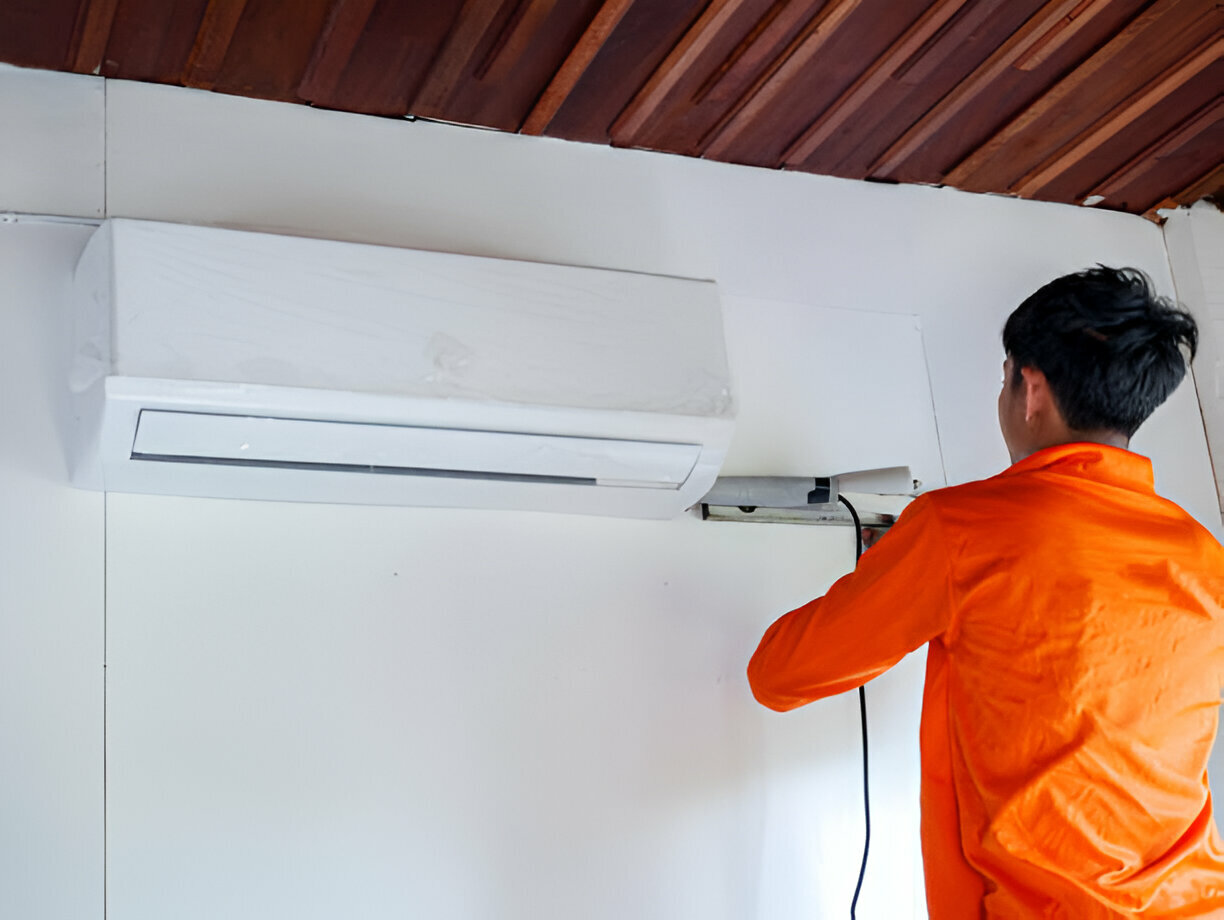
Why regular mini split maintenance matters in Alameda, CA
- Alameda’s coastal humidity and bay salt spray increase the risk of external coil corrosion and electrical connection corrosion.
- Summer temperature swings and high use during heat peaks put extra load on compressors and refrigerant systems.
- Wildfire smoke in dry months clogs filters and indoor coils faster, reducing airflow and indoor air quality.
- Regular maintenance preserves efficiency, prolongs equipment life, prevents refrigerant leaks, and ensures reliable comfort throughout the year.
Common mini split maintenance issues in Alameda, CA
- Dirty or clogged filters from smoke, pollen, and household particulates causing reduced airflow and cooling performance.
- Salt or corrosion on outdoor unit coils and electrical terminals leading to reduced heat transfer and potential electrical faults.
- Blocked condensate drains or pans causing water overflow or indoor humidity problems.
- Refrigerant undercharge or small leaks that reduce efficiency and strain the compressor.
- Loose or worn fan motors and blower components producing noise, vibration, or reduced airflow.
- Thermostat or control calibration drift leading to inaccurate temperature control and cycling.
- Reduced performance during peak heat due to restricted airflow or failing components.
What a professional mini split tune-up includes
Most complete tune-ups follow a structured checklist performed on scheduled visits (typically twice a year: pre-summer cooling tune-up and pre-winter heating tune-up). A full mini split maintenance visit generally includes:
Visual system inspection
- Check indoor and outdoor units for corrosion, physical damage, and mounting stability.
- Inspect refrigerant lines, electrical connections, and wall controllers for signs of wear.
Filter inspection and replacement
- Clean or replace washable filters, and change disposable filters per manufacturer recommendations.
- Advise on higher-efficiency filters when indoor air quality is a concern (e.g., wildfire smoke).
Coil cleaning
- Clean indoor evaporator and outdoor condenser coils to restore proper heat transfer.
- Remove surface salt and debris from outdoor coils to minimize corrosion.
Condensate drain cleaning
- Clear drain lines and pans, and perform a water-run test to ensure proper condensate removal.
- Apply safe enzyme treatments if recurring biofilm or microbial growth is found.
Lubrication and motor checks
- Lubricate accessible fan motors and bearings where applicable.
- Check fan and compressor motor operation, listen for abnormal noises, and measure amperage draw.
Electrical and safety inspection
- Tighten electrical connections and check capacitors, contactors, and fuses for healthy operation.
- Verify safety interlocks and defrost controls are functioning.
Thermostat and control calibration
- Calibrate wall-mounted controllers and wireless thermostats for accurate temperature readings and proper setpoint response.
- Confirm communication between indoor and outdoor units and zoning interfaces if present.
Refrigerant monitoring
- Measure operating refrigerant pressures and temperatures to determine charge condition.
- Perform leak detection protocol when low charge or irregular pressure is detected.
Performance verification & reporting
- Measure airflow, temperature split (supply vs return), and system run-times to verify efficiency.
- Provide a concise performance report noting any issues, recommended repairs, and estimated impacts on efficiency.
How diagnostics and troubleshooting work (in plain terms)
Technicians use noninvasive tests to tell whether a mini split is simply dirty or if a deeper problem exists. Common diagnostic steps explained simply:
- Measure temperature difference across the evaporator to check if the system is cooling/heating effectively.
- Check airflow to make sure filters and blowers are moving enough air for proper heat exchange.
- Measure electrical current to detect motors or compressors working harder than they should; this often precedes failure.
- Compare refrigerant pressures to the expected range for outdoor temperature; deviations point to leaks or restrictions.
- Inspect drain flow to prevent water damage and mold growth.
These checks allow a technician to separate minor maintenance tasks (filter or coil cleaning) from repair needs (refrigerant leak repair, motor replacement, control board replacement), which helps prioritize work that returns the best value and reliability.
Typical maintenance outcomes and benefits
- Improved efficiency and lower utility bills thanks to clean coils, correct refrigerant charge, and properly calibrated controls.
- More reliable performance during heat spikes and cooler nights—fewer emergency repairs.
- Longer equipment life by preventing corrosion, motor burnout, and compressor stress.
- Better indoor air quality through timely filter changes and coil cleaning—especially important following wildfire smoke events.
- Clear documentation and performance reporting so homeowners understand system health and lifecycle planning.
Service agreement options and what they include
Service agreements for mini split maintenance in Alameda typically offer structured options to match homeowner needs:
- Basic plan: Annual or biannual tune-ups, filter reminders, and maintenance checklists.
- Preferred plan: Two seasonal tune-ups a year, priority scheduling, and discount on diagnosed repairs.
- Comprehensive plan: Multiple visits, full maintenance coverage including refrigerant monitoring, performance reports after each visit, and coordination for warranty needs.
Agreements commonly include scheduled visits, documented inspection reports, and recommended maintenance timelines to help homeowners budget and avoid surprise failures while maximizing equipment lifespan.
Maintenance tips for Alameda homeowners
- Schedule a cooling tune-up before the warm season and a heating check before cooler months.
- Replace or clean filters more frequently during wildfire season and after heavy smoke events.
- Keep the outdoor unit free of salt buildup and rinse gently with fresh water when safe to reduce corrosion.
- Watch for changes in noise, runtime, or indoor comfort—small symptoms caught early require simpler fixes.
- Keep landscaping trimmed to ensure adequate airflow around outdoor units.
Regular professional mini split maintenance in Alameda, CA protects your investment, preserves comfort, and adapts to local climate stresses like coastal salt and wildfire smoke. When maintenance is done on schedule with clear performance reporting, homeowners gain the efficiency, reliability, and longevity they expect from modern ductless systems.
Service Areas

