


Thermostat Repair in Sausalito, CA

Thermostat Repair in Sausalito, CA
A properly functioning thermostat is the command center for your home comfort. In Sausalito, CA, where fog, salt air, and older hillside homes create unique challenges, timely thermostat repair restores accurate temperature control, improves efficiency, and protects your heating and cooling equipment. Common thermostat problems in Sausalito, how technicians diagnose issues, when a repair is appropriate versus replacement, calibration and sensor troubleshooting, typical turnaround expectations, and how repairs are supported through warranties and service agreements. Air Flow Pros can help you choose a system that fits your home.
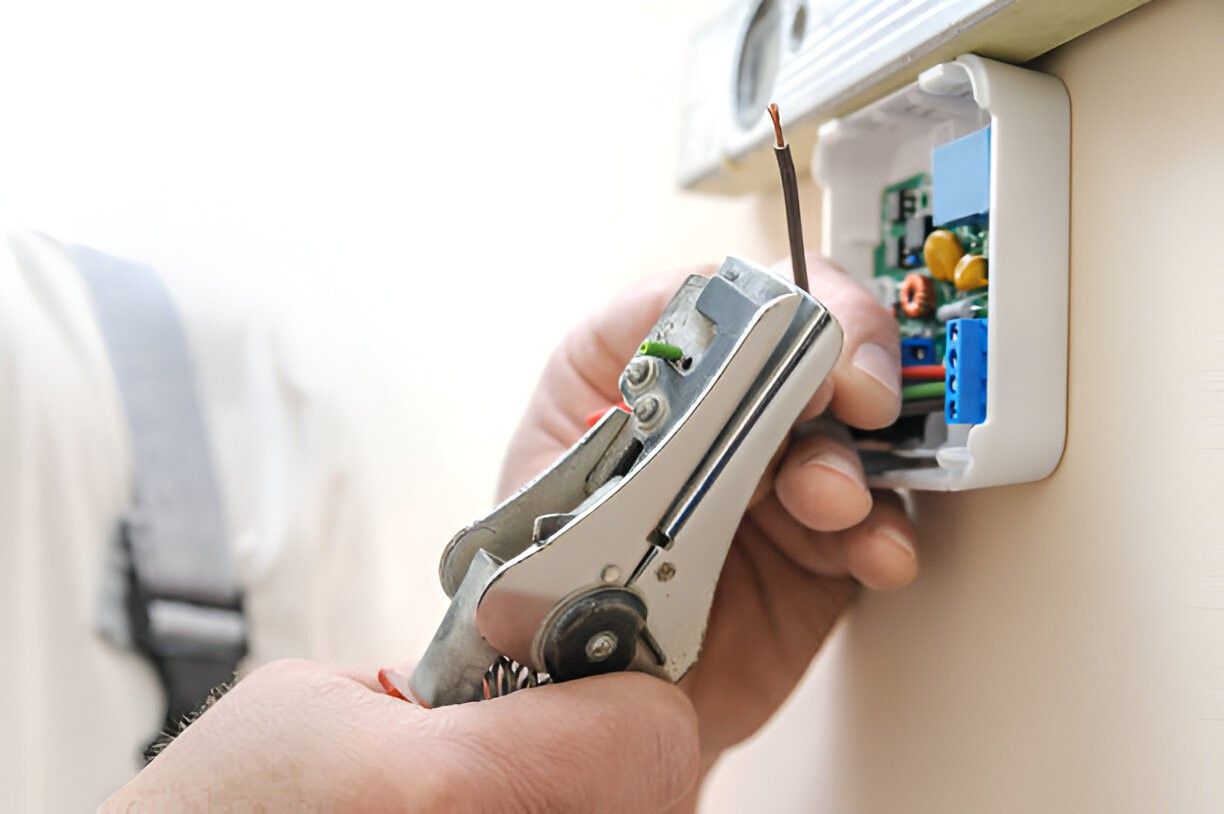
Common thermostat issues in Sausalito homes
- Display failures or blank screens: Dead batteries, power interruptions, or internal component failure are frequent in both programmable and smart units. Salt air corrosion can accelerate contact issues in coastal homes.
- Inaccurate temperature readings: Thermostats that show the wrong temperature may cause cycles to run too long or too short, leading to wasted energy and uneven comfort.
- Wiring faults and corrosion: Exposure to marine air in Sausalito can corrode terminal screws and wiring, causing intermittent communication with the HVAC system or total failure.
- Connectivity problems with smart thermostats: Weak Wi Fi due to thick walls, placement, or interference on hillside properties can prevent cloud sync and remote control.
- Sensor drift or failed sensors: Internal sensors age or become contaminated, producing inconsistent readings that affect system cycling.
- Programming errors or mismatched settings: User changes, incorrect schedules, or misconfigured heat/cool thresholds produce comfort complaints that look like hardware failure.
- Zoning and multi-thermostat conflicts: Older multi-zone systems common in the Bay Area can develop mismatches between thermostats and zone controls requiring coordinated troubleshooting.
How technicians diagnose thermostat problems
- Initial information gathering: A technician will confirm symptoms, when they started, and any recent changes such as power outages or renovations.
- Remote checks where possible: For smart units, basic connectivity and settings can be reviewed before arrival to narrow the issue.
- On-site visual inspection: Look for obvious damage, battery condition, display status, and mounting location influences such as direct sun or drafts from windows and doors.
- Electrical and wiring testing: Using multimeters and continuity tests, technicians verify power at the thermostat and check wiring integrity at both the thermostat and HVAC control board, looking for corrosion or loose connections common in coastal environments.
- Sensor and control verification: Sensors are tested for accuracy and response. The tech will compare thermostat readings to handheld thermometers and test system response to setpoint changes.
- System integration checks: For zoned or communicating systems, the technician confirms that the thermostat, zone controllers, and air handler communicate correctly and that software/firmware versions are compatible.
- Diagnostic report and recommendation: After testing, you receive a clear explanation of findings and whether a repair, calibration, or replacement is the most reliable option.
On-site repairs versus replacement recommendations
Repair when:
- The issue is isolated (battery, loose wire, connector corrosion) and the thermostat is otherwise modern and compatible.
- A faulty display, button, or simple sensor replacement restores full function.
- Short-term fixes preserve investment in a recently upgraded HVAC system where compatibility is confirmed.
Replace when:
- The thermostat is older and lacks features required for efficient control of newer equipment, including zoning or communicating systems.
- Repeated failures occur after attempted repairs, indicating internal board failure or obsolescence.
- Upgrading to a modern thermostat improves control, zoning, or energy management for Sausalito homes with variable microclimates.
Smart thermostat considerations: When replacing, compatibility checks are essential with heat pump or multi-stage systems. For homes with limited Wi Fi, relocation of the router or installation of a Wi Fi extender may be recommended rather than a full device replacement.
Calibration and sensor troubleshooting
- Simple calibration: Technicians compare thermostat readings with calibrated instruments and apply allowed offset adjustments when the thermostat supports them.
- Sensor replacement: If the internal sensor is beyond calibration, a replacement restores accuracy. For models with remote sensors, relocating or adding sensors to average room temperatures can solve persistent hot or cold spots.
- Placement fixes: Many inaccuracies stem from poor thermostat placement. Moving the unit away from windows, exterior doors, or heat sources improves performance—particularly important in Sausalito where sun exposure and ocean breezes vary by elevation.
- Environmental influences: Salt-laden air, humidity, and fog can affect sensor housings and terminal integrity. Routine inspection and cleaning during service visits reduce these issues.
Typical turnaround times and pricing structure
Turnaround times:
- Most basic diagnostics and minor repairs are completed in one visit, typically within 30 to 90 minutes.
- Thermostat replacement or complex wiring repairs for multi-zone systems can take a half day to a full day depending on access and system complexity.
- If special parts or a different thermostat model is required, scheduling and parts availability can extend repair time by a few days.
Pricing approach:
- Repairs are based on the complexity of the diagnostic findings, parts required, and labor involved. A transparent diagnostic assessment is provided before any repair work proceeds.
- For replacement recommendations, the proposal outlines equipment compatibility, labor requirements, and any additional materials needed for a complete installation.
Warranties and service agreements
- Parts and labor warranties: Professional repairs typically include a warranty on parts and workmanship. The exact duration depends on the component manufacturer and the repair policy.
- Service agreements: Regular maintenance plans support thermostat reliability through scheduled inspections, seasonal calibration checks, and priority service. These agreements help prevent small thermostat issues from escalating into more costly HVAC repairs.
- Documentation and follow up: All repairs include a documented service record showing tests performed, parts replaced, and recommended next steps to preserve warranty coverage.
Why prompt thermostat repair matters in Sausalito
Fixing thermostat problems quickly restores precise control, reduces unnecessary HVAC runtime, and prevents undue wear on equipment. In Sausalito, where narrow temperature swings and coastal conditions can already stress systems, accurate thermostats maintain comfort across microclimates and improve energy efficiency. Addressing wiring corrosion or sensor drift early also avoids intermittent failures that can be harder and more expensive to diagnose later.
Maintenance tips for Sausalito homeowners
- Replace batteries annually and after power outages.
- Keep the thermostat free of dust and paint; clean gently with a soft brush.
- Avoid placing thermostats on exterior walls, near windows, or above vents.
- Keep smart thermostat firmware updated and verify Wi Fi strength if remote control is used.
- Schedule seasonal checks to catch sensor drift and wiring corrosion before they affect comfort.
Professional diagnosis and repair ensure your thermostat performs the way it should in Sausalito homes. Accurate control means reliable comfort, better system efficiency, and longer equipment life.
Service Areas

