


Thermostat Repair in Mountainview, CA

Thermostat Repair in Mountainview, CA
A properly functioning thermostat is the control center for your home comfort. In Mountainview, CA, where mild winters and warm summers meet ocean-influenced microclimates, a faulty thermostat can mean inefficient cooling or inconsistent heating, higher energy bills, and uncomfortable rooms during peak Silicon Valley work-from-home hours. Our focus here is to explain what goes wrong, how technicians diagnose and fix thermostat problems, what to expect on response times and pricing, and practical tips to extend the life of your thermostat in Mountainview homes. Air Flow Pros can help you choose a system that fits your home.
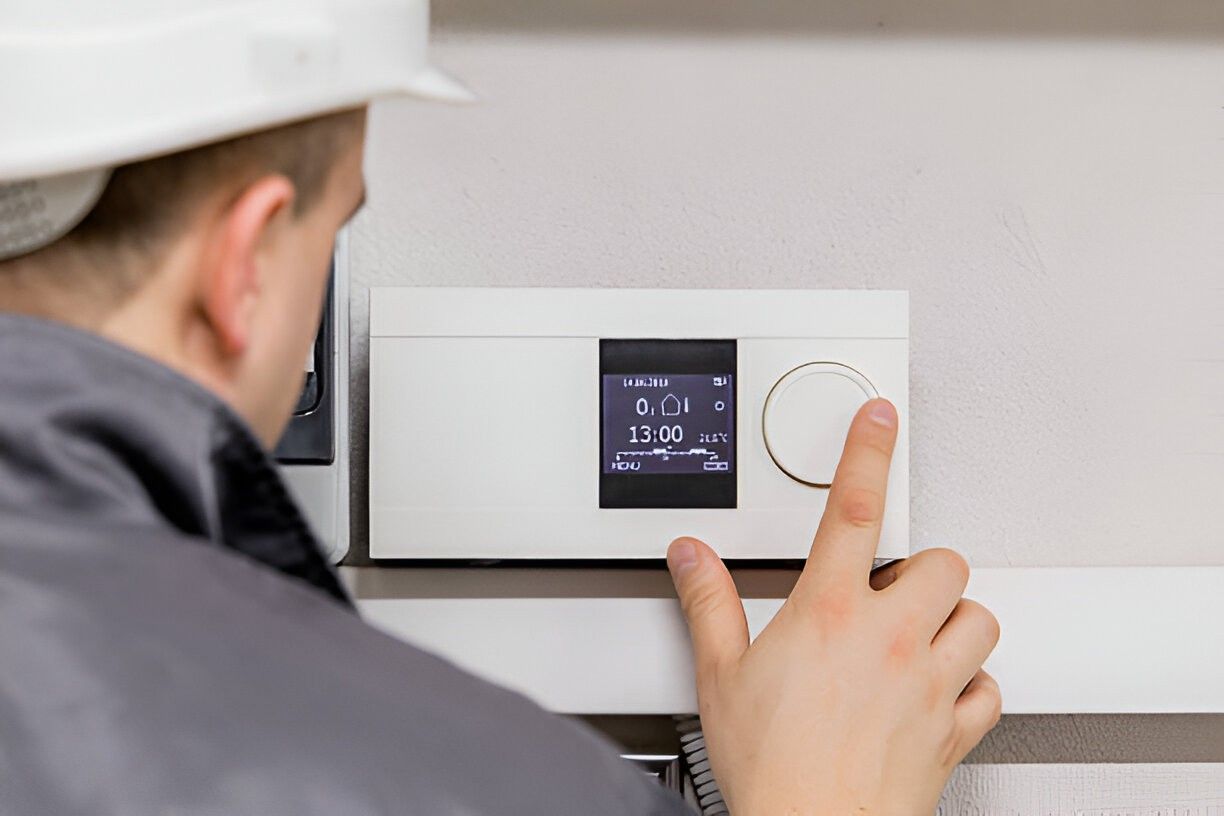
Common thermostat repair issues in Mountainview, CA
Homeowners in Mountainview commonly see these issues, many of which are amplified by local conditions like coastal humidity, attic heat gain, or modern smart-home integration needs.
- Sensor failures: Internal temperature sensors can drift or fail, causing the thermostat to read room temperatures incorrectly and cycle the system improperly.
- Wiring faults: Loose terminals, corroded wires from coastal moisture, or rodents chewing wiring can interrupt signals between thermostat and HVAC system.
- Calibration drift: Older or lower-quality units can lose calibration over time and no longer match actual room temperature.
- Power problems and missing C-wire: Smart thermostats require a C-wire for constant power; absence or a failing transformer leads to intermittent operation or blank displays.
- Battery and power-supply issues: Dead batteries or failing internal power modules create unpredictable behavior.
- Software and app connectivity issues: Smart thermostats may lose Wi-Fi or need firmware updates, affecting remote control and scheduling.
- Stuck or failing relays/contacts: Mechanical wear can prevent proper switching, resulting in no heat or no cooling calls being sent to the HVAC system.
Diagnostic procedures used for thermostat repair
Understanding the typical diagnostic steps helps set expectations for service visits and repair accuracy.
- Visual inspection: Check for obvious damage, corrosion, loose wiring, improper mounting locations (near windows or heat sources), and battery condition.
- Power verification: Use a multimeter to confirm 24VAC transformer output and verify presence of a functional C-wire or alternative power source.
- Wiring and continuity tests: Test terminals for continuity, look for short circuits, and inspect the HVAC control board for matching signals.
- Sensor and calibration checks: Compare thermostat readings with a calibrated thermometer to detect sensor drift.
- Software diagnostics for smart models: Review firmware version, Wi-Fi connectivity, and error codes via the thermostat’s diagnostics menu or manufacturer app.
- System response testing: Command heat and cool cycles while observing the HVAC equipment to confirm the thermostat is sending correct signals.
Technicians combine electrical testing, observation of system behavior, and software checks to pinpoint the root cause instead of treating symptoms.
Typical repairs and part replacements
Thermostat repair can be as simple as replacing batteries or as involved as swapping in a new control unit. Common repairs include:
- Replacing internal sensors or recalibrating sensors where possible.
- Cleaning and tightening terminals, removing corrosion caused by humidity.
- Rewiring or replacing damaged wire sections, adding strain relief and proper routing to prevent future damage.
- Installing a C-wire adapter or transformer when smart thermostats need a reliable power source.
- Replacing batteries or the entire thermostat unit for irreparable or outdated models.
- Updating firmware and reconfiguring smart thermostats, including re-pairing with apps and home automation systems.
- Replacing relays or shorted components when mechanical switching fails.
When an upgrade is more cost-effective or necessary for smart-home compatibility, technicians will recommend a replacement model that matches your HVAC system’s requirements.
Testing and validation after repair
A thorough repair includes post-service validation to ensure reliability and correct operation.
- Verify temperature readings at multiple points and compare to a reference thermometer.
- Run complete heat and cool cycles and check for proper compressor/fan operation and correct control board responses.
- Inspect wiring strain relief, secure mounting, and check that the thermostat is not exposed to drafts or direct sunlight.
- For smart models, confirm Wi-Fi connectivity, scheduling, geofencing, and voice assistant integration.
- Provide a final system check to ensure there are no error codes on either the thermostat or the HVAC control board.
These steps reduce the chance of repeat visits and restore predictable, energy-efficient control of your HVAC system.
Expected response times and pricing considerations in Mountainview
Response expectations and what influences cost:
- Response times: Standard service visits are often scheduled within 24 to 72 hours, while many services offer same-day or emergency response for non-working thermostats. Mountainview’s dense residential neighborhoods and local service providers often allow quicker arrival times.
- Pricing considerations: Costs vary based on diagnostic complexity, the thermostat model (basic, programmable, or smart), parts required (sensors, transformers, new thermostat), wiring labor, and whether an adapter or new C-wire installation is needed. Older HVAC systems may require additional compatibility work.
- Service agreements and preventive maintenance: Regular tune-ups and service plans reduce the likelihood of thermostat failures and can lower long-term repair costs.
Tips to extend thermostat life in Mountainview homes
Proactive measures help avoid failures and keep systems running efficiently.
- Install the thermostat away from direct sunlight, windows, doors, and heat-generating appliances.
- Replace batteries annually and keep firmware up to date on smart units.
- Keep the thermostat housing clean and dust-free; avoid painting walls with the thermostat in place.
- Ensure proper mounting on an interior wall at a representative height, away from drafts and exterior-facing walls.
- Protect wiring runs from rodents and moisture-prone spaces like attics or crawlspaces.
- Schedule HVAC tune-ups before summer and winter to catch issues early and maintain reliable thermostat-to-system communication.
Timely thermostat repair and preventive care restore comfort, improve energy efficiency, and reduce wear on your HVAC system. In Mountainview, CA, where efficient climate control matters both for comfort and cost, accurate thermostat performance matters more than ever.
Service Areas

