


Duct Cleaning in Mountainview, CA

Duct Cleaning in Mountainview, CA
Poor ductwork can undermine comfort, increase energy use, and worsen indoor air quality. Professional duct cleaning in Mountainview, CA addresses trapped dust, allergens, mold, and debris so your HVAC system runs more efficiently and your home breathes cleaner air—especially important here where wildfire smoke, seasonal pollen, and dry summer dust are common. What to expect from a full service: inspection and assessment, the step-by-step cleaning process (vacuuming, brushing, HEPA containment), optional sanitization, realistic timelines, pricing factors, and follow-up maintenance to preserve indoor air quality. Air Flow Pros can help you choose a system that fits your home.
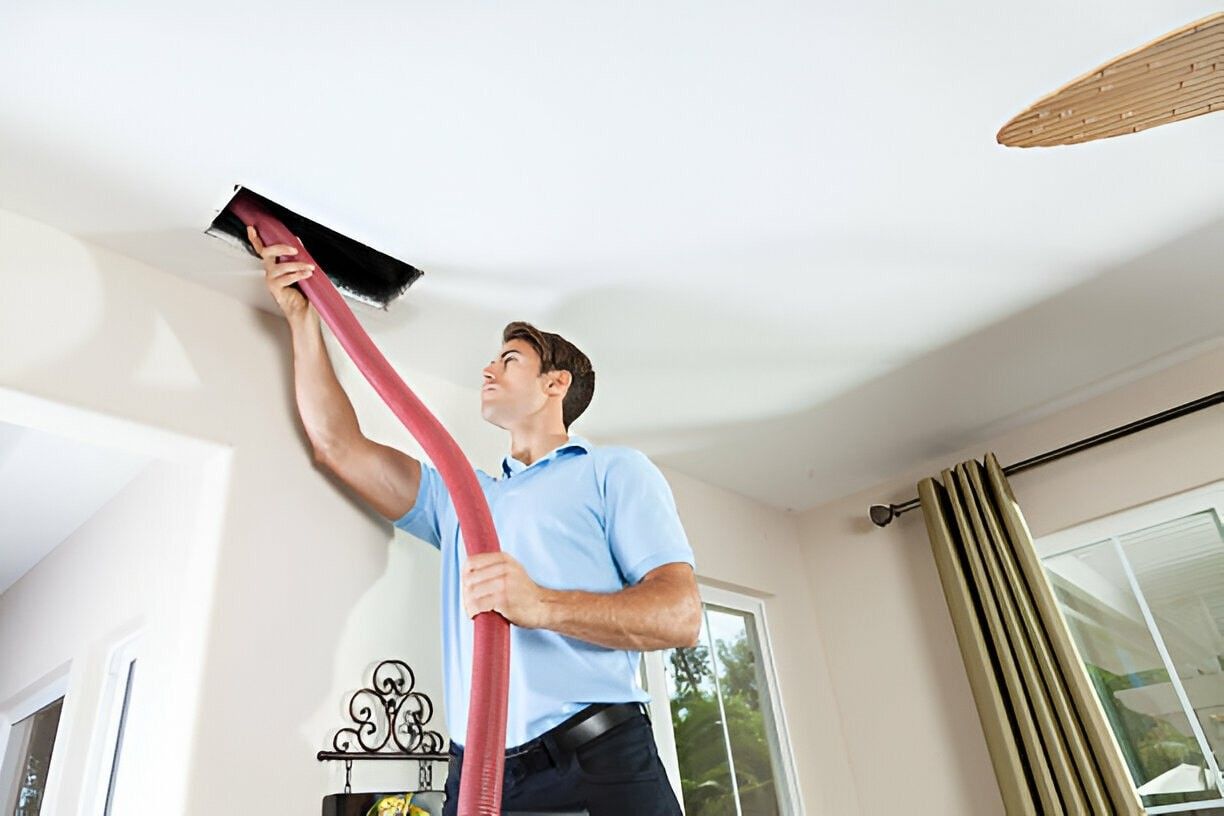
Common duct problems in Mountainview, CA homes
- Accumulated dust and pet dander in systems that haven’t been cleaned in years
- Pollen and seasonal allergens tracked in during spring and fall
- Wildfire smoke residue after regional fire events, which sticks to duct surfaces and registers
- Mold or mildew growth after localized moisture events (plumbing leaks, condensation in poorly insulated ducts)
- Debris from renovations or attic/roof access points (insulation, construction dust)
- Reduced airflow and uneven heating/cooling due to blockages or collapsed flex duct sections
Inspection and assessment: the first step
A professional duct cleaning begins with a thorough inspection and assessment to tailor the service to your home. Typical inspection steps include:
- Visual check of accessible returns, supply registers, and equipment (air handler, blower, coils)
- Camera inspection of duct runs where accessible to locate heavy deposits, obstructions, or damage
- Evaluation of filter type and condition, duct material, and sealing integrity
- Measurement of airflow and static pressure when needed to quantify performance issues
- Written assessment documenting findings and recommended scope of work (areas to clean, sanitization needs, repairs)
The inspection determines whether simple register cleaning will suffice or a full-system cleaning with containment and vacuuming is required.
Step-by-step professional duct cleaning process
A consistent, safe process limits dust migration and ensures thorough cleaning. A professional duct cleaning typically includes:
- Preparation and containment
- Seal vents and create negative pressure at the return using a high-efficiency vacuum system.
- Protect floors and furnishings around the work area with drop cloths.
- Source cleaning: vacuuming and debris removal
- Use a truck-mounted or portable high-capacity vacuum with HEPA filtration to draw dust out of the system.
- Collect debris at a single point (usually the return) so contaminants do not recirculate in the home.
- Agitation and brushing
- Mechanized brushes, air whips, or compressed air tools agitate deposits throughout supply and return runs to break them loose for extraction.
- Air sweeping and register cleaning
- High-pressure air tools and targeted vacuuming clean supply registers, grills, and accessible registers.
- Registers and grilles are typically removed and cleaned separately.
- Cleaning of associated components
- Clean the air handler, blower wheel, evaporator coil, and condensate pan where accessible—these are common sources of odors and microbial growth.
- HEPA containment and filtration
- HEPA containment minimizes airborne particulates during the process and ensures exhausted air is filtered before it leaves the vacuum system.
- Documentation and post-clean inspection
- Provide before-and-after photos from camera inspections and demonstrate improved airflow or debris removal.
Why clean ducts: benefits and local relevance
- Reduce allergens and irritants: removes dust, pollen, pet dander, and smoke particulates that worsen allergies and asthma.
- Control mold and odors: targeted cleaning and optional sanitization reduce mold colonies and musty smells after water events.
- Improve HVAC efficiency: removing blockages and debris improves airflow and reduces strain on the blower, helping systems perform more efficiently.
- Protect equipment longevity: clean coils and blowers reduce wear and can prevent premature failures.
- Address post-event contamination: crucial after home renovations, rodent intrusion, or exposure to wildfire smoke that embeds in duct surfaces.
In Mountainview, seasonal pollen and wildfire smoke are frequent drivers for homeowners to schedule duct cleaning to restore indoor air quality.
Optional sanitization and deodorizing
Sanitization is offered as an add-on when inspection shows microbial growth or persistent odors. Important points:
- Use only registered products applied per manufacturer instructions and industry best practices.
- Sanitization is recommended when mold growth is confirmed, after water intrusion, or for medically vulnerable occupants.
- Ozone or fogging machines are generally avoided for occupied homes; trusted methods target only interior surfaces and are used sparingly.
- Sanitization helps reduce regrowth risk but does not replace moisture control or repairs to the root cause of contamination.
Before-and-after expectations
After a professional duct cleaning you can expect:
- Visible reduction of dust on registers and less dust settling on surfaces for several weeks
- Noticeably improved airflow and more consistent comfort in previously weak rooms
- Reduction of smoke or musty odors if those contaminants were present in the ducts
- Photographic documentation of cleaned duct sections if camera inspections were used
- Minor transient dust during service that is controlled by HEPA vacuuming and containment
Cleaning does not change filter maintenance needs or eliminate all indoor pollutants—source control and filtration remain essential.
Typical timelines and pricing factors
Timelines vary by home and system complexity:
- Average single-family homes typically take a few hours; larger or multi-system homes can require a full day.
- Homes requiring coil and blower cleaning, dryer vent service, or sanitization add time.
Factors that influence cost (not pricing itself):
- Home size and number of supply/return registers
- Duct layout complexity and accessibility (attic, crawlspace, or slab runs)
- Level and type of contamination (smoke, mold, renovation debris)
- Need for additional services (coil/blower cleaning, sanitization, mold remediation, duct repair)
- Condition and material of ducts (metal vs. flexible ductwork vs. insulated ducts)
Follow-up maintenance to preserve indoor air quality
- Replace HVAC filters regularly and upgrade to a higher MERV rating appropriate for your system (MERV 8–13 balances filtration and airflow for many homes).
- Schedule inspection and duct cleaning frequency based on conditions: typically every 2–5 years, sooner after smoke exposure, renovations, or moisture events.
- Maintain proper humidity (40–50%) to discourage mold growth and improve comfort.
- Seal or repair visible leaks and improve attic insulation around ducts to prevent dust ingress and thermal losses.
- Combine duct cleaning with annual HVAC tune-ups to keep systems operating efficiently and detect issues early.
Cleaning ducts is one important piece of a comprehensive indoor air quality strategy. For Mountainview homeowners dealing with seasonal pollen, regional smoke events, or simply years of dust buildup, professional duct cleaning restores performance, improves comfort, and helps protect the health of household members when combined with ongoing filtration and maintenance practices.
Service Areas

