


Smart Thermostat Repair in Redwood City, CA

Smart Thermostat Repair in Redwood City, CA
Smart thermostats are central to home comfort, energy savings, and modern HVAC control. In Redwood City, CA, where summer daytime highs can climb and mornings often start with a cool marine layer, a malfunctioning thermostat quickly becomes a major inconvenience. Whether your thermostat has lost its Wi Fi connection, reports incorrect temperatures, or no longer communicates with zone dampers and your heat pump, prompt, professional smart thermostat repair protects comfort, prevents wasted energy, and avoids unnecessary strain on HVAC equipment. Air Flow Pros can help you choose a system that fits your home.
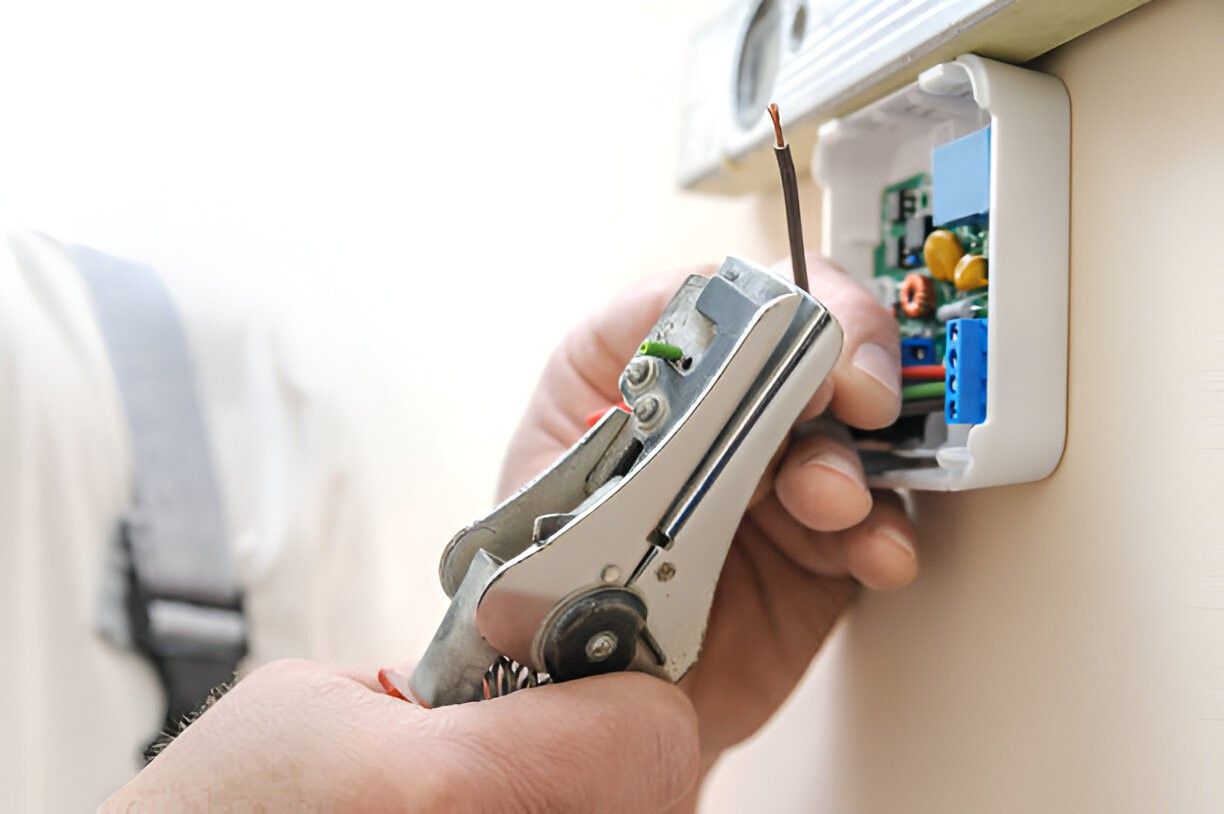
Common smart thermostat issues in Redwood City homes
Homeowners in Redwood City commonly face a few recurring problems with smart thermostats, especially in older homes that have been retrofitted with modern controls or in multi zone systems in remodeled properties.
- Connectivity problems: Wi Fi drops, cloud services unavailable, or failure to connect to a home automation hub.
- Software and firmware faults: Outdated firmware, interrupted updates, or corrupted software causing freezes and unexpected behavior.
- Sensor faults and inaccurate readings: Built in or remote temperature/humidity sensors failing or drifting, causing uneven heating or cooling.
- Integration failures with HVAC systems: Thermostat fails to call for heat/cool correctly, miswired 24V control issues, or improper communication with variable speed systems.
- Zoning and damper control issues: Thermostat loses control of zoning panels or dampers, creating hot and cold rooms.
- Power and wiring problems: Insufficient common (C) wire, loose terminals, or transformer problems causing intermittent shutdowns.
- Component failures: Touchscreen failures, faulty relays, or damaged mounting bases that need replacement.
- Data and configuration loss: Reset after power events, lost schedules, or failed cloud backups.
How we diagnose smart thermostat issues: remote vs on site
Effective repair starts with accurate diagnosis. Technicians use a staged approach that balances speed with thoroughness.
- Remote diagnostics: Many smart thermostats expose status data and logs to cloud accounts. Remote checks can verify firmware versions, connection status, error codes, and recent error history. For simple connectivity, account or router settings, and firmware updates, remote diagnosis can resolve issues without a visit. Remote work is especially useful in Redwood City where homeowners prefer fast fixes during busy weekdays.
- On site diagnostics: When wiring, sensors, HVAC communication, or zoning components are involved, on site inspection is necessary.
Technicians will:
- Inspect wiring at the thermostat and furnace/air handler control board.
- Measure control voltages and transformer output.
- Test sensor readings in multiple locations.
- Verify damper and zone controller operation and integration.
- Simulate calls for heat and cool to observe HVAC response.
On site evaluation identifies intermittent faults caused by local network interference, loose wiring, or mechanical failures that remote checks cannot confirm.
Typical repairs and solutions
Repairs focus on restoring reliable function while preserving schedules, integrations, and user preferences.
- Firmware and software updates: Apply and verify stable firmware builds, reinstall software if corrupted, and reestablish cloud connectivity.
- Wiring and power fixes: Add or repair the common (C) wire, replace terminal blocks, or install power adapters for thermostats that need a stable 24V supply.
- Sensor replacement and recalibration: Replace defective internal sensors or re-pair remote sensors and recalibrate temperature offsets to match room conditions.
- Component replacement: Replace faulty relays, touchscreens, or mounting bases with OEM or compatible parts to restore full functionality.
- Reintegrating HVAC and zoning: Reconfigure thermostat settings to match system type (single stage, multi stage, heat pump), repair miswired control circuits, and restore communication with zoning panels and dampers.
- Network and automation integration: Troubleshoot and reauthorize connections to home Wi Fi, smart home hubs, and third party services while advising on network settings that reduce interference.
- Power outage recovery and data restoration: Restore schedules and preferences from cloud backups when available, or export and reconfigure settings when a full restore is needed.
Data backup, privacy, and reconfiguration
Smart thermostat data includes schedules, energy history, and settings. When repairing or replacing a unit, preserving that data reduces disruption.
- Cloud backup validation: Verify whether the account has recent backups. Use cloud restores where possible to recover schedules and energy reports.
- Local backup options: For thermostats with local export capabilities, technicians can export configuration before performing risky repairs.
- Secure reconfiguration: Reconnect accounts using secure authentication methods, confirm firmware authenticity, and reset passwords or access tokens if required.
- Privacy consideration: Discuss what data is stored in the cloud and how integrations share information with third party services, then configure settings to meet homeowner privacy preferences.
Warranty and service agreement coverage options
Homeowners in Redwood City should review warranty and service agreement options that can affect repair choices.
- Manufacturer warranty: Confirm whether thermostat components are still covered. Many manufacturers cover hardware defects for a specified period; firmware issues may be covered through software support.
- HVAC equipment warranty interactions: Some repairs that involve the furnace or air handler controls may be covered under the HVAC equipment warranty.
- Service agreements: Regular HVAC service agreements often include thermostat checks and priority diagnostics for integrated systems, which can reduce repair time and cost for Redwood City homes with multi zone or complex controls.
- Discussing coverage early in the diagnostic process clarifies repair scope and allowable part replacements.
Why timely smart thermostat repair matters in Redwood City
- Energy efficiency: A properly functioning smart thermostat optimizes runtime, reducing cooling loads on hot afternoons and minimizing energy waste.
- Comfort and zone control: Accurate sensors and functioning zoning protect against overheated upstairs rooms during summer and cold spots in winter.
- Protect HVAC equipment: Incorrect calls or short cycling caused by control faults increase wear on compressors and furnaces. Repair prevents breakdowns and extends equipment life.
- Maintain smart integrations: Restoring connections to home automation, solar management, or demand response programs preserves potential energy rebates and home functionality.
Preventive tips for Redwood City homeowners
- Keep firmware up to date but schedule updates when you can monitor results.
- Ensure stable Wi Fi and consider using a dedicated 2.4 GHz SSID if devices struggle on mixed bands.
- Verify a stable C wire or use a compatible power module to prevent intermittent reboots.
- Place remote sensors away from direct sunlight and heat sources; recalibrate offsets after furniture or layout changes.
- Include thermostat checks in routine HVAC tune ups to catch issues before they escalate.
Smart thermostat repair in Redwood City, CA, restores comfort, protects system health, and keeps your home running efficiently. Proper diagnosis, careful data handling, and restoring full HVAC and zoning integration are the core steps to reliable performance in Bay Area homes.
Service Areas

