


Heating Service in South San Francisco, CA

Heating Service in South San Francisco, CA
Keeping your home warm and safe is essential in South San Francisco, CA, especially when coastal fog and cool, damp evenings push your heating system to work harder. Professional heating service from Air Flow Pros in South San Francisco, CA, offers comprehensive system diagnostics, routine repairs, and prompt emergency response to keep you comfortable. You can expect qualified technicians, clear timelines, transparent estimates, and detailed information about our service agreements and warranties. Choosing timely heating service means you'll reduce costs and significantly improve your home's comfort.
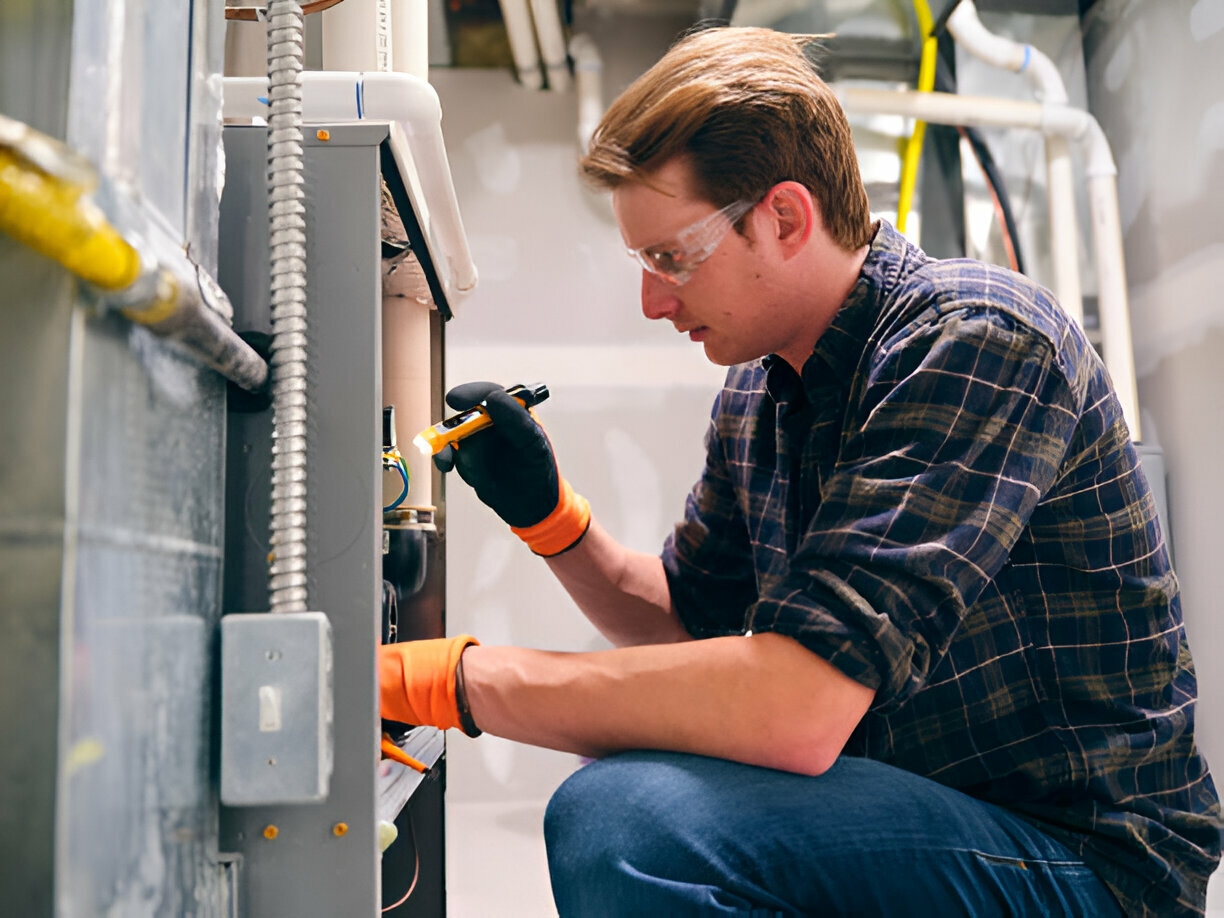
Why timely heating service matters in South San Francisco homes
South San Francisco’s marine-influenced climate—frequent low clouds, cool nights, and higher indoor humidity—can accelerate corrosion, complicate combustion systems, and reveal insulation or duct issues. Older homes and multiunit buildings in the area may have aging furnaces, boilers, or duct systems that need regular attention. Prompt diagnostics and repairs:
- Improve safety by preventing carbon monoxide and gas leaks
- Preserve system efficiency, lowering energy use during cooler months
- Extend equipment life and reduce the chance of overnight failures
Common heating issues in South San Francisco
Homeowners here most often call for:
- Intermittent or no heat from gas furnaces, heat pumps, or boilers
- Short cycling (system turns on and off frequently)
- Uneven room temperatures and weak airflow due to duct leaks or blocked vents
- Pilot light or ignition failures on gas systems
- Strange odors, soot, or yellow burner flames indicating combustion problems
- Frozen or clogged condensate drains on high-efficiency systems
- Noisy operation from failing motors or worn bearings
Recognizing these signs early helps technicians diagnose and correct root causes before they worsen.
Heating system diagnostics — what the process includes
A professional diagnostic is systematic and documented. Typical diagnostic steps include:
- Visual safety inspection: gas lines, venting, heat exchangers, electrical connections
- Thermostat and control checks to confirm proper communication and settings
- Combustion and exhaust testing (where applicable) to measure combustion efficiency and CO levels
- Electrical testing of capacitors, starters, and motors
- Airflow analysis and duct inspection, including filter condition and blower function
- Refrigerant checks for heat pumps and hybrid systems
- System performance readings (temperatures, pressures, run times) to identify inefficiencies
After diagnostics, the technician should provide an explanation of findings in plain language, prioritized repair recommendations, and an estimate for repair or replacement options.
Repairs and typical solutions
Repairs target the identified root cause and commonly include:
- Replacing ignition assemblies, thermocouples, or flame sensors for gas systems
- Repairing or replacing motors, belts, and blower components to restore airflow
- Sealing or insulating duct leaks and rebalancing airflow for even temperatures
- Repairing condensate drainage or replacing failed pumps on high-efficiency units
- Recharging or repairing refrigerant circuits on heat pumps
- Replacing control boards, relays, or thermostats for modern, communicating systems
Technicians will often perform a system cleanup and a safety verification after repairs to ensure reliable operation.
Emergency heating response procedures
A dependable emergency heating response follows clear safety-first steps:
- Initial triage over the phone to determine immediacy and safety risks
- Rapid dispatch of trained technicians equipped for common emergency repairs
- On-site safety shutdown if gas leaks, electrical hazards, or carbon monoxide risks are present
- Temporary measures to restore safe heat where possible (bypass, short-term fixes) while parts are ordered
- Clear documentation of risks, actions taken, and next-step timelines
Expect emergency technicians to prioritize homeowner safety, secure the site, and explain next steps before beginning any repair work.
Technician qualifications and credentials to expect
Qualified heating technicians serving South San Francisco should have:
- Appropriate state contractor licensing and local business permits
- Certifications such as NATE or manufacturer-specific training for complex equipment
- EPA Section 608 certification for refrigerant handling when working on heat pumps
- Ongoing training in combustion safety, heat pump technology, and controls
- Clear identification, background-checked personnel, and professional work practices
Ask for written proof of license and certifications if you need confirmation before service begins.
Expected service timelines
While each job varies, general timelines are:
- Diagnostics visit: typically completed same day and documented (30 to 90 minutes)
- Minor repairs (ignition, sensors, filters): often completed during the diagnostic visit
- Moderate repairs (motors, control boards, duct sealing): may require same-day or next-business-day parts and 2 to 4 hours on-site
- Major component replacement (heat exchangers, compressors, full furnaces): scheduled based on part availability and permitting requirements; could take 1 to several days to complete and test
Technicians should provide a clear estimate of timing and any follow-up visits required.
How estimates are prepared (what to expect)
Estimates for heating service or replacement are based on:
- Diagnostic findings and the severity of the issue
- System age, model, and accessibility of components
- Parts availability and whether specialized equipment or permits are needed
- Labor requirements for repair or scheduled replacement
- A professional estimate is written, itemized, and explains warranties on parts and labor. Homeowners should request a clear scope of work and an explanation of alternatives (repair versus replacement) to make an informed decision.
Service agreements and warranties — protecting your system
Service agreements typically include scheduled tune-ups, priority scheduling, discounted repair labor, and diagnostic fees waived for covered equipment. Benefits of a service agreement for South San Francisco homes include seasonal tune-ups before cooler months, checks for moisture-related issues, and extended equipment life.
Warranties come in two types:
- Manufacturer warranties covering parts for specified components (check your equipment manual for terms)
- Labor or extended warranties offered through service agreements or extended coverage plans
When reviewing agreements and warranties, confirm what is excluded (e.g., preexisting damage, corrosive environments), how claims are handled, and what documentation is required for warranty service.
Ongoing maintenance tips for South San Francisco homes
- Replace or clean filters regularly to reduce humidity-related mold and maintain airflow
- Schedule seasonal tune-ups before fall to prepare for cool, damp nights
- Ensure vents and registers are unobstructed and balance rooms during tune-ups
- Install or test carbon monoxide detectors near sleeping areas if you have combustion heating
- Consider programmable or zoning thermostats to reduce runtime and improve comfort
Regular maintenance reduces unexpected failures and improves indoor air quality in a region prone to damp conditions.
A reliable heating service in South San Francisco, CA, combines thorough diagnostics, safety-first emergency response, skilled technicians, transparent estimates, and service agreements that protect homeowners from costly surprises. Proper attention to heating systems in South San Francisco’s climate prevents safety risks, improves efficiency, and keeps homes comfortable through cool coastal evenings.
Service Areas

