


Furnace Repair in San Rafael, CA

Furnace Repair in San Rafael, CA
Reliable furnace repair is absolutely essential for San Rafael homes, where cool, damp winters and the marine layer can push heating systems harder than many homeowners expect. If your furnace is making unusual noises, failing to heat consistently, or driving up your energy bills, understanding common faults, the diagnostic process, likely repairs, and sensible prevention steps will empower you to make an informed decision and get your home warm again quickly and safely. Air Flow Pros is here to provide that crucial support.
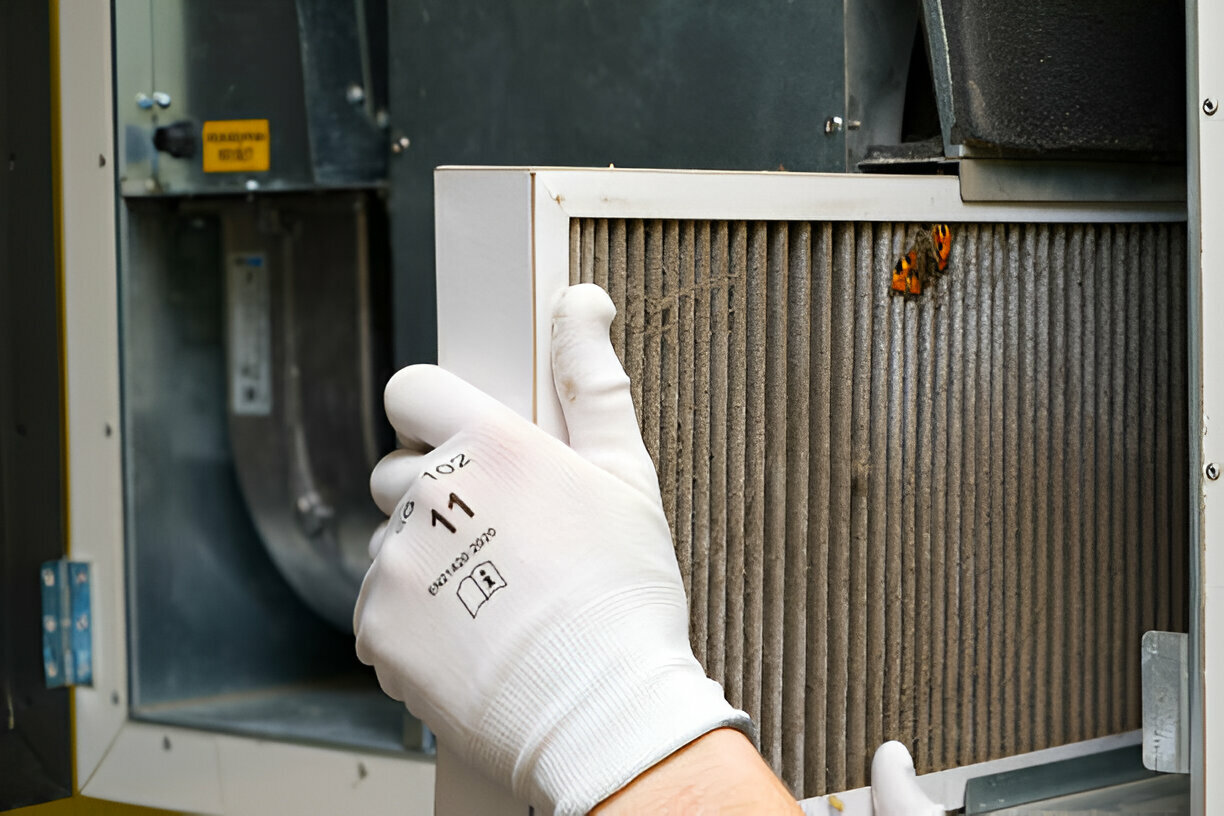
Common furnace problems in San Rafael homes
- No heat or intermittent heating: Often caused by ignition failure, a faulty thermostat, or a blocked gas valve. Coastal moisture can contribute to corrosion in electrical connections that causes intermittent faults.
- Short cycling (turning on and off frequently): Usually the result of an oversized system, clogged filter, failing limit switch, or airflow restrictions from dirty ducts.
- Weak airflow or uneven heating: Common when blower motors, fan belts, or return vents are obstructed, or when ducts have leaks or poor insulation—issues that are more noticeable in older Marin County homes.
- Unusual noises (clanking, squealing, rattling): Can indicate loose components, motor bearings wearing out, or failing belts.
- Pilot light or ignition problems: Electronic igniters and flame sensors degrade over time and can be compromised by soot or moisture buildup.
- Carbon monoxide concerns or prominent gas odors: These are safety-critical issues tied to cracked heat exchangers, incomplete combustion, or gas leaks and require immediate professional attention.
- Frequent cycling of safety controls: Tripped limit switches, blocked flues, or venting problems from salt air corrosion may cause repeated shutdowns.
How diagnostics work — what the technician checks
A professional diagnostic follows a systematic checklist to identify root causes rather than chasing symptoms.
- Visual inspection: Check the furnace cabinet, burners, ignition system, pilot or electronic igniter, and visible wiring for corrosion or damage.
- Safety checks: Measure combustion, inspect the heat exchanger for cracks, verify proper venting, and test for carbon monoxide where appropriate.
- Electrical testing: Confirm control board operation, continuity on motors and capacitors, and safe voltage to all components.
- Airflow evaluation: Inspect filters, blower wheel, and return/return grille condition; measure static pressure when needed.
- Thermostat and control checks: Verify thermostat calibration and wiring, and confirm control sequence.
- Timeline: Typical on-site diagnostics take 45 to 90 minutes depending on system complexity. The technician will explain findings, recommended repairs, and whether parts are available for same-day service.
Parts replacement and typical repair solutions
Many furnace repairs are straightforward replacements of components that wear over time. Common parts and what to expect:
- Igniters and flame sensors: Frequent failure points in modern furnaces; replacement often restores reliable ignition.
- Gas valves and pressure regulators: Replaced when valves stick or fail to regulate gas flow safely.
- Control boards and relays: Replace when electrical faults or intermittent behavior point to failed electronics.
- Blower motors and belts: Restored to recover proper airflow and eliminate noise.
- Capacitors and contactors: Often replaced when motors fail to start or run weakly.
- Limit switches and safety devices: Replaced to maintain safe operating limits.
- Heat exchanger: If cracked or severely corroded, the heat exchanger typically requires full replacement or system replacement due to safety concerns.
Repair vs replace considerations:
- Age of system: Furnaces older than 15 to 20 years may be better replaced when major components fail due to efficiency gains and long-term reliability.
- Safety and efficiency: Cracked heat exchangers, repeated major failures, or systems that cannot meet current codes often justify replacement instead of repair.
- Parts availability: Some older models have limited parts availability, which affects repair viability and timeline.
Expected repair timelines and what affects scheduling
- Minor repairs (filters, sensors, igniters): Often completed in a single visit when parts are in stock.
- Moderate repairs (motors, control boards): May require ordering parts and a return visit, typically within 24 to 72 hours depending on availability.
- Major repairs (heat exchanger, full blower assembly): Require more time for disassembly, inspection, and possibly permits; scheduling can extend to a few days.
Factors that influence timelines in San Rafael:
- Local parts availability and model-specific components
- Access to the unit (tight closets, attic installations)
- Need for permits or gas safety inspections for major work
Emergency and after-hours response
Heating failures can be urgent, especially when temperatures drop. Emergency response protocols typically include:
- Safety triage guidance: If you suspect a gas leak or smell gas, evacuate and contact the gas company. For suspected carbon monoxide, ventilate and leave the home.
- After-hours service: Technicians trained for emergency calls can respond outside regular hours to address safety-critical failures and temporary fixes until full repairs are possible.
- Temporary measures: Technicians can often perform safe interim steps such as shutting off gas, clearing vents, or installing temporary components until permanent repairs are scheduled.
Workmanship guarantees and warranties
Quality repair work includes:
- Clear parts and labor warranties that cover workmanship for a defined period.
- Use of manufacturer-approved parts and adherence to local codes and safety standards.
- Documentation of work performed, including safety checks and test results.
- If a replacement is recommended, guidance on warranty transfer and registration where applicable.
Preventive tips to avoid future breakdowns
- Annual tune-up: Schedule a professional inspection and cleaning each fall to catch issues before cold weather arrives.
- Regular filter changes: Replace or clean filters every 1 to 3 months depending on use and household conditions.
- Keep vents and return grilles clear: Blocked airflow stresses the system and shortens component life.
- Protect outdoor equipment from salt air: Coastal and bay-adjacent homes can benefit from periodic corrosion checks and protective coatings.
- Install carbon monoxide detectors: Place detectors near sleeping areas and on each level of the home.
- Proactive repairs: Address unusual sounds, odors, or performance changes immediately rather than waiting for failure.
Timely furnace repair and maintenance preserve safety, improve efficiency, and extend the life of your system. In San Rafael where coastal humidity and cooler winter conditions place specific demands on heating equipment, prompt diagnosis and professional repair keep your home comfortable and safe throughout the season.
Service Areas

