


Furnace Maintenance in San Jose, CA

Furnace Maintenance in San Jose, CA
Keeping your furnace well-maintained prevents unexpected breakdowns, reduces energy waste, and extends the life of your equipment—especially here in San Jose, where mild winters, sudden cold snaps, and seasonal wildfire smoke all impact how your heating system performs. You'll want to know exactly what an ongoing maintenance program includes, what common furnace problems San Jose homeowners experience, the diagnostic and tune-up steps our Air Flow Pros technicians perform, recommended service agreement elements, and the incredible long-term benefits of preventative care for your home.
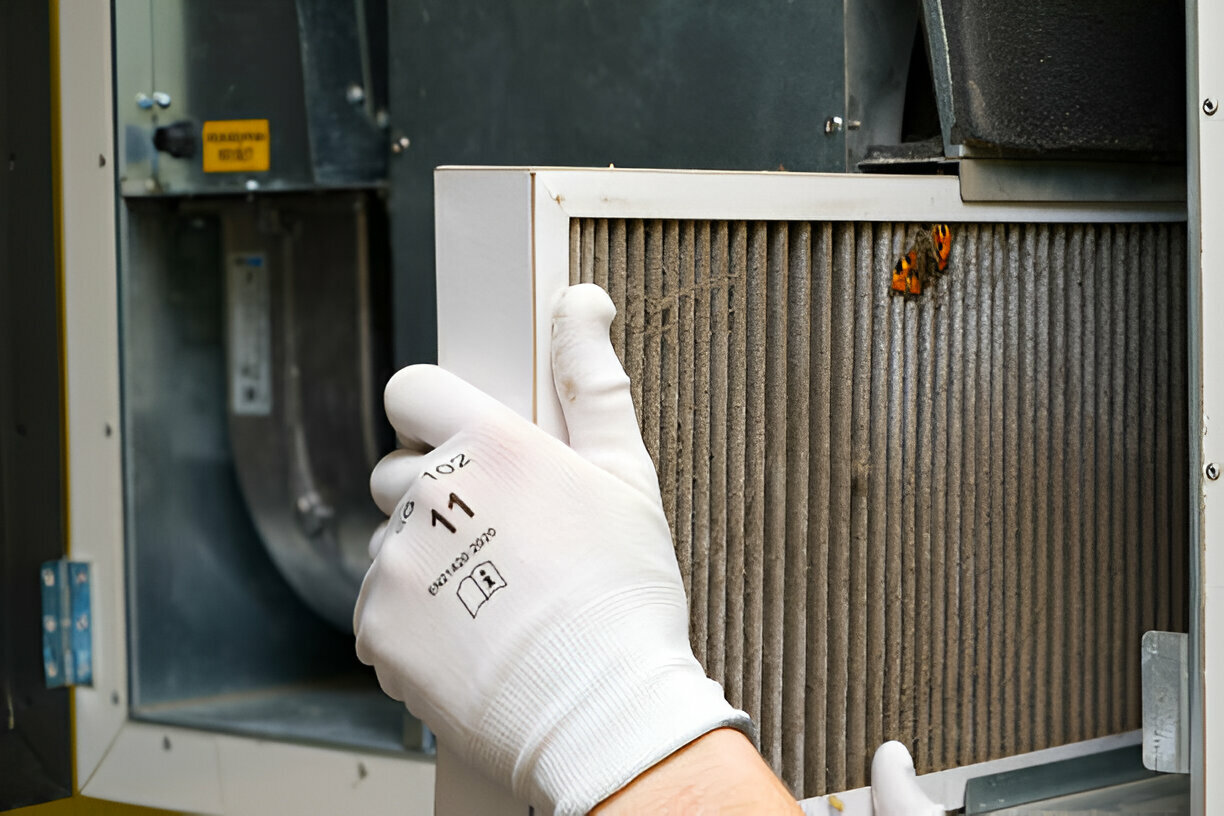
Why scheduled furnace maintenance matters in San Jose homes
San Jose winters are generally mild but can include chilly nights and occasional cold fronts that put sudden demand on heating systems. In addition, local factors make maintenance especially important:
- Wildfire smoke and regional pollen increase particulate load on filters and indoor air systems.
- Many Valley homes have older ductwork in attics or crawlspaces, where temperature extremes reduce efficiency.
- Higher Bay Area energy rates mean even small efficiency improvements can meaningfully lower utility bills.
Regular maintenance ensures reliable heat when you need it, improves indoor air quality during smoke events, and helps keep operating costs down.
Common furnace issues in San Jose
Homeowners who skip routine maintenance often experience recurring, preventable problems:
- Reduced airflow from clogged filters, dirty blower wheels, or restricted return vents
- Hard starts and ignition failures due to worn igniters or dirty burners
- Short-cycling caused by thermostat or airflow issues
- Decreased efficiency from improper combustion, gas pressure drift, or soiled heat exchangers
- Carbon monoxide or venting concerns from cracked heat exchangers or blocked flues
- Higher energy bills from leaky ducts, poor airflow, or uncalibrated thermostats
Understanding these common failure modes helps prioritize maintenance actions that deliver the most reliable results.
What a comprehensive furnace maintenance program includes
A professional seasonal program addresses safety, efficiency, and longevity with scheduled tasks and documented checks. Typical inclusions:
- Seasonal inspections (recommended annually in fall, with a spring check if the system runs during cool evenings)
- Filter assessment and replacement schedules tailored to your filter type (standard 1-inch, pleated, or high-efficiency MERV filters)
- Combustion and safety system checks: pilot/igniter, flame sensor, gas pressure, venting, and carbon monoxide monitoring
- Heat exchanger inspection for signs of cracking or corrosion
- Burner and heat exchanger cleaning to restore proper combustion
- Blower motor and wheel cleaning, lubrication where applicable, and belt inspection/replacement on older systems
- Thermostat calibration and control checks; evaluation of programmable or smart thermostat schedules for efficiency
- Electrical system review: wiring, capacitors, relays, and control boards
- Ductwork inspection recommendations: leakage, insulation level, and return/supply balance
- Performance tuning: adjusting combustion, gas pressure, fan speeds, and airflow to optimize AFUE and run cycles
- Written report of findings, prioritized recommendations, and a maintenance log for warranty compliance
Recommended replacement and service intervals
Consistent replacement cycles reduce the chance of mid-season failures:
- Air filters: check monthly; replace every 1–3 months for 1-inch filters, every 3–6 months for thicker pleated filters; increase frequency during wildfire season or high-pollen months
- Igniters and flame sensors: inspect annually; expect replacement every 5–10 years depending on use
- Blower motor and bearings: inspect annually; motor lifetime varies, but proactive lubrication and cleaning reduce premature failure
- Belts (older systems): inspect annually; replace as soon as fraying/cracking appears
- Heat exchanger: inspected annually; replacement only if cracked or compromised
- Duct sealing/insulation: inspect every few years or when renovating; prioritize leaks in attic ducts
Performance tuning to lower utility bills
Maintenance is not just about fixes—it's optimization. Key tuning steps that produce measurable savings include:
- Combustion analysis and burner adjustment to ensure the furnace runs at peak combustion efficiency
- Correcting airflow (filter, blower, and duct balancing) so the system doesn’t run longer than necessary
- Sealing and insulating ducts in attics or crawlspaces to prevent thermal losses common in San Jose homes
- Calibrating thermostats and recommending programmable schedules or zoning adjustments to avoid wasted runtime
- Recommending appropriate filter upgrades (higher MERV during wildfire events) that balance airflow and filtration needs
Even modest improvements in AFUE and reduced run times translate to lower monthly bills in the Bay Area.
What to expect during a professional inspection and tune-up
A typical service visit includes:
- Visual safety inspection and system history review
- Filter check and replacement if needed
- Combustion, ignition, and venting safety checks including CO measurement
- Blower, motor, and electrical component inspection; cleaning and lubrication as needed
- Heat exchanger inspection and burner cleaning
- Thermostat and control verification plus performance testing under load
- Written service report with prioritized recommendations and next-service timing
Documentation of work also supports extended warranties and home resale disclosures.
Service agreements and why they pay off
A structured service agreement tailors the above tasks into predictable, scheduled visits. Benefits commonly included in agreements:
- Annual seasonal inspections and preferred scheduling windows
- Priority response during high-demand weather
- A maintenance history that supports warranty and resale value
- Planned budgeting for replacements and upgrades rather than emergency repairs
Service agreements convert reactive repairs into predictable preventative investments—especially valuable in San Jose where a cold night can expose an unmaintained system.
Simple maintenance tips every homeowner can follow
- Check standard 1-inch filters monthly; replace when visibly dirty
- Keep vents and returns free of furniture and drapes
- Test carbon monoxide detectors monthly and replace batteries as needed
- Note changes: unusual noises, rising bills, uneven heating, or frequent cycling and schedule an inspection
- During wildfire season, consider upgrading to higher-efficiency filters for short periods to protect indoor air quality
Long-term benefits of preventative furnace care
Consistent maintenance yields measurable advantages:
- Improved reliability and fewer emergency repairs during cold weather
- Lower monthly energy bills through optimized efficiency
- Longer equipment life and better resale valuation of your home
- Safer operation with reduced risk of combustion or CO hazards
- Better indoor air quality during local smoke events and high-pollen periods
Maintaining your furnace is an investment in comfort, safety, and cost control. For San Jose homeowners, a seasonal maintenance plan aligns equipment performance with local climate demands and helps avoid avoidable disruptions when you need heat most.
Service Areas

