


AC Replacement in San Rafael, CA

AC Replacement in San Rafael, CA
Replacing an aging or failing air conditioner is a major decision for San Rafael homeowners. With the Bay Area’s mild Mediterranean climate, coastal marine influence, and the varied microclimates across Marin County, the right replacement can bring more consistent comfort, lower energy bills, and equipment perfectly suited to local conditions. Air Flow Pros can help you evaluate whether an AC replacement is truly needed, show you how modern high-efficiency systems compare, and assist you in choosing the correct capacity and features for your home. We'll also clearly explain what to expect during removal and installation, and outline the common rebate, warranty, and maintenance options available for AC replacement in San Rafael, CA. Choose Air Flow Pros for expert advice and reliable service.
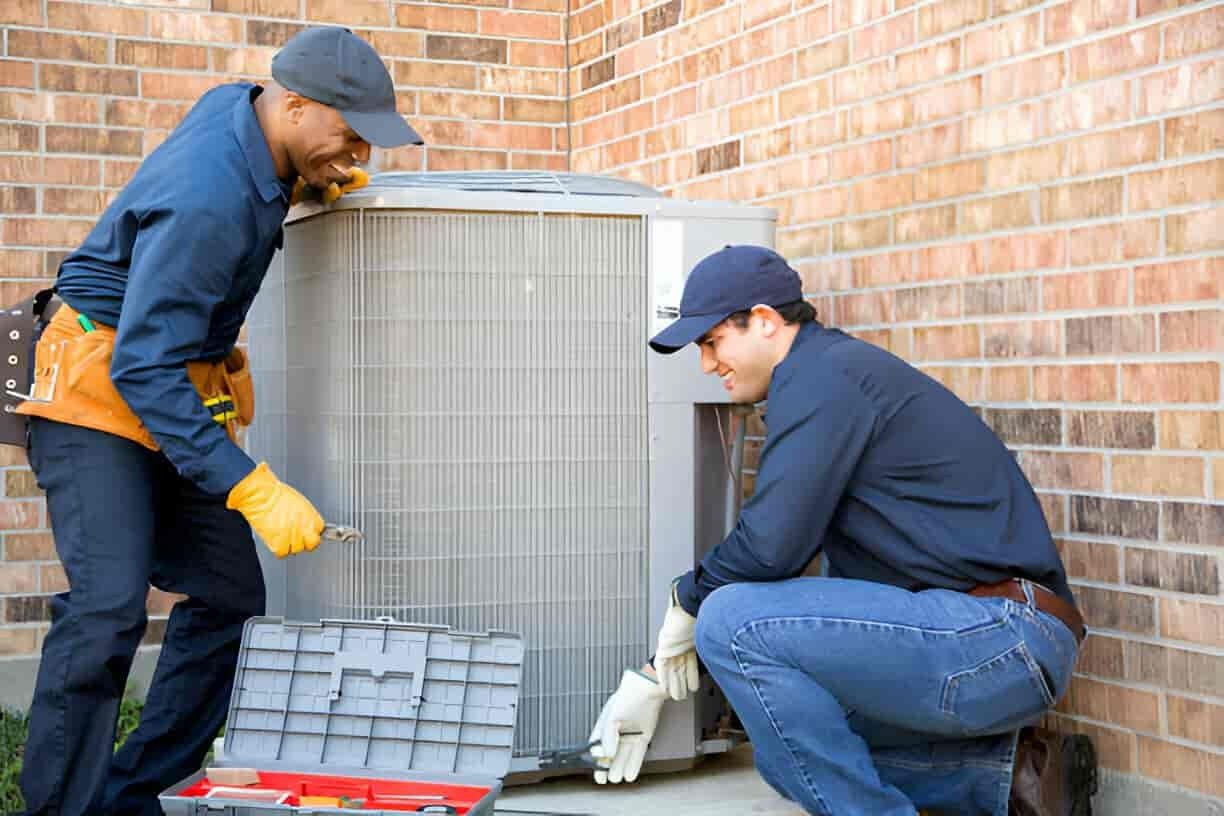
When to consider AC replacement (common AC replacement issues in San Rafael)
Signs that replacement is the better option than repair include:
- Frequent breakdowns or rising repair costs over the last 12–24 months.
- System age: most central air conditioners older than 12–15 years are approaching end of useful life.
- Poor cooling performance or uneven temperatures across rooms, especially in older San Rafael homes with aging ductwork.
- Rapidly increasing energy bills without a change in usage patterns.
- Refrigerant leaks or systems using phased-out refrigerants that are costly to service.
- Noisy operation or rust/corrosion on the outdoor condenser caused by coastal salt air exposure.
In San Rafael, many homes have mixed-age HVAC systems and ducts routed through attics or crawlspaces exposed to coastal humidity. That environment accelerates wear and can make modern high-efficiency replacements a smart long-term investment.
Comparing modern high-efficiency systems
Modern systems offer several efficiency and comfort upgrades compared with older units:
- Higher SEER ratings: Seasonal Energy Efficiency Ratio (SEER) is a core measure of cooling efficiency. Upgrading from a 10–12 SEER system to a 16–20+ SEER unit can significantly reduce energy use.
- Variable-speed compressors: These modulate output for steadier temperatures, improved humidity control, and quieter operation useful in neighborhoods where noise ordinances and close lot lines matter.
- Two-stage compressors: Run at a lower stage most of the time for efficiency, with a full-power stage for very hot days common in inland pockets of Marin.
- Heat pump options: For mild climates like San Rafael, high-efficiency heat pumps provide both heating and cooling with excellent energy performance.
- Ductless mini-splits: Ideal where ductwork is impractical or for room-by-room zoning; reduces duct losses common in older Bay Area homes.
- Improved air filtration: Integrated filtration and compatibility with whole-house systems help address indoor air quality concerns in homes with local wildfire smoke exposure.
Selecting the right capacity and features
Choosing the correct size and features is essential. Oversized systems cycle too often and reduce humidity control; undersized systems run constantly and struggle on hot days.
- Load calculation (Manual J): A professional assessment factoring in San Rafael’s insulation, window orientation, shade from local trees, and occupancy yields the correct tonnage.
- Duct evaluation: Inspect for leaks, insulation gaps, and improper sizing — common in older Bay Area homes — and include duct sealing or retrofit options when needed.
- Feature priorities: Decide between variable-speed vs two-stage, heat pump vs straight AC, smart thermostat compatibility, and zoning capabilities based on comfort goals and budget.
Removal and disposal of old equipment
Proper decommissioning protects your home and the environment:
- Refrigerant recovery: Technicians must recover and recycle refrigerant per federal and state regulations. Systems using phased-out refrigerants may require additional handling.
- Safe removal: Secure disconnection, removal of outdoor and indoor units, and inspection of existing refrigerant lines and electrical connections.
- Disposal and recycling: Metal and component recycling is standard; hazardous materials are handled according to local San Rafael and Marin County waste rules.
The installation process: what to expect
A professional AC replacement follows a predictable, quality-focused workflow:
- Site assessment and permitting: Confirm equipment placement, load calculations, and obtain required local permits and inspections.
- Pre-install prep: Verify ductwork, electrical service, and line set condition. Plan for curbside access given San Rafael street layouts.
- Installation day: Remove the old system, set the new condenser and indoor coil or air handler, install matched components, run refrigerant lines, and wire controls.
- Charge and balance: Proper refrigerant charge and airflow balancing are performed to manufacturer specifications for efficiency and warranty compliance.
- Final inspection and demo: System operation, thermostat programming, and homeowner orientation on features and maintenance steps.
Rebates, financing, and incentives
San Rafael homeowners often qualify for a mix of utility, state, and federal incentives that lower upfront cost:
- Local utility rebates and energy-efficiency programs: Programs may target high-efficiency central ACs, heat pumps, and duct upgrades.
- State and federal incentives: Energy-efficiency or clean energy credits for qualifying systems can reduce net cost.
- Financing options: Many replacement projects can be financed through low-interest loans, payment plans, or energy efficiency financing programs to spread investment over time.
When budgeting, factor in potential incentives and how they affect payback through energy savings.
Warranties and maintenance plans
- Manufacturer warranties: New equipment typically includes a base manufacturer warranty on the compressor and parts. Pay attention to registration requirements to preserve full coverage.
- Extended warranties: Extended protection plans add longer-term parts and labor coverage for peace of mind.
- Maintenance agreements: Regular preventive maintenance (annual tune-up, refrigerant checks, filter changes, and coil cleaning) keeps efficiency high, extends service life, and supports warranty conditions.
Expected energy savings and comfort improvements
Upgrading to a properly sized, high-efficiency system can:
- Reduce cooling energy use: Typical savings range from roughly 20% to 40% depending on the efficiency improvement and home characteristics.
- Improve comfort: Better temperature consistency, improved humidity control, and quieter operation make living spaces more comfortable year-round.
- Lower lifecycle costs: Reduced repair frequency, improved reliability, and longer equipment life contribute to lower total cost of ownership.
- Prioritize a full load calculation and duct inspection before selecting equipment.
- Choose equipment rated for coastal conditions if your property is closer to the bay or Marin shoreline to resist corrosion.
- Maintain a schedule of annual tune-ups and filter changes, and consider a service agreement to protect efficiency and warranty eligibility.
- When evaluating quotes, compare matched-system performance (indoor coil and outdoor condenser), labor quality, and included commissioning steps rather than focusing only on equipment price.
A thoughtful AC replacement tailored to San Rafael’s climate and home types turns a necessary upgrade into a long-term improvement in comfort, efficiency, and home value.
Service Areas

