


AC Repair in San Rafael, CA

AC Repair in San Rafael, CA
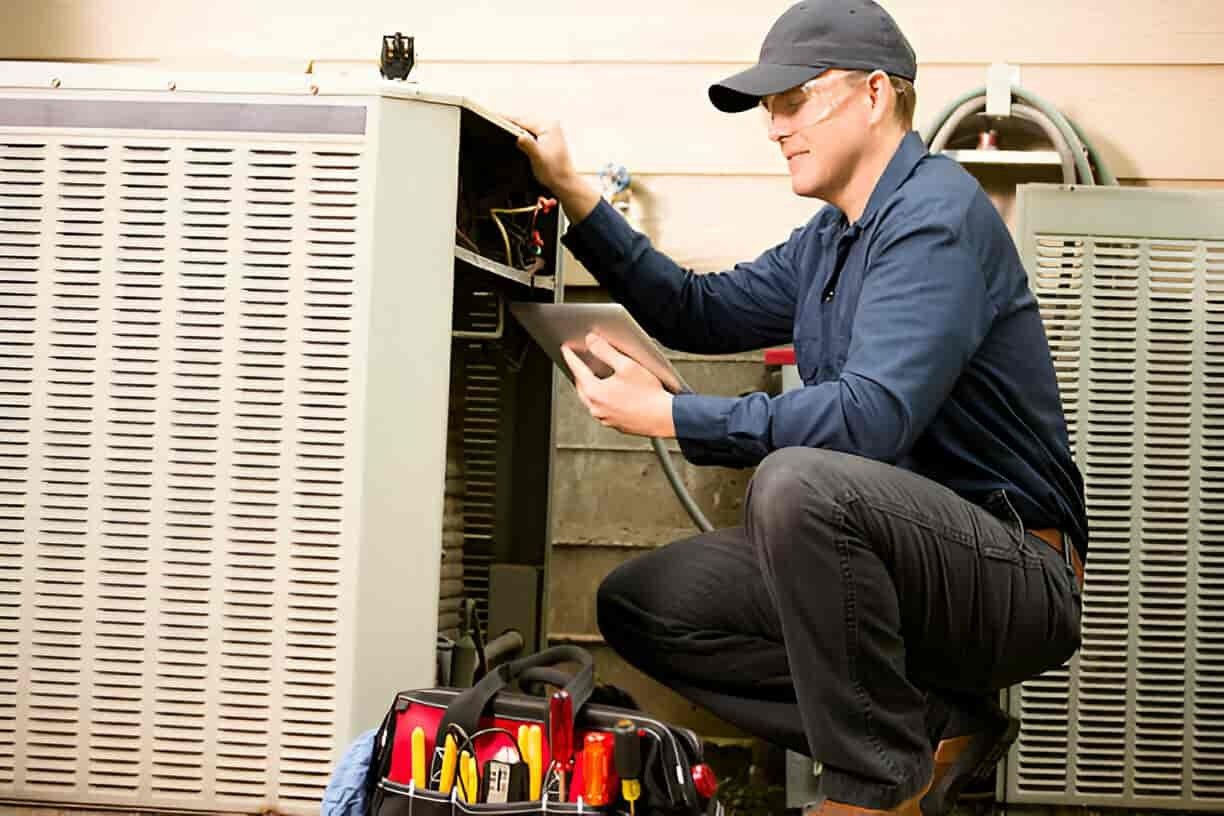
Keeping your San Rafael home comfortably cool through those hot summers and unexpected heat spikes truly hinges on a reliable air conditioning system. When your AC starts showing early warning signs and gets professional, timely attention from Air Flow Pros, repairs are not only faster and less expensive but also help extend the life of your equipment. With Air Flow Pros, you can expect expert AC repair in San Rafael, CA. We'll cover common symptoms, our thorough diagnostic steps, typical repairs and the parts we use, manufacturer support, emergency response options, and our commitment to pricing transparency and clear warranty information. We also make it easy to understand how quickly on-site service can be arranged, ensuring you're never left in the heat.
Why timely AC repair matters in San Rafael
San Rafael’s coastal climate means mild temperatures most of the year, but inland heat events, microclimates, and occasional high humidity days put extra strain on systems sized for cooler conditions. Salt air and fog can accelerate corrosion on outdoor units, while wildfire smoke and seasonal pollen increase load on filters and indoor air equipment. Pasadena-era and older Marin homes may also have outdated ductwork that affects performance. Addressing issues quickly prevents compressor damage, reduces energy waste, and improves indoor air quality — particularly important during poor air events.
Common AC failure symptoms in San Rafael homes
Recognizing symptoms early helps avoid major breakdowns. Common signs technicians see locally include:
- Weak or warm airflow from vents despite the thermostat calling for cooling
- Short cycling where the system turns on and off frequently
- Ice build-up on evaporator coils or refrigerant lines
- Hissing or bubbling noises indicating refrigerant leaks or airflow restrictions
- Loud grinding or rattling from motors, fans, or loose components
- Higher than normal utility bills with no change in usage patterns
- Unusual odors when the system runs, especially during wildfire seasons
- Failure to start or thermostat not communicating with the system
These symptoms point to a range of issues from simple filter or thermostat problems to more serious electrical, mechanical, or refrigerant faults.
What a proper diagnostic looks like
A professional AC repair visit follows a structured diagnostic routine to identify root causes without guesswork:
- Visual inspection of indoor and outdoor units, electrical connections, refrigerant lines, filters, and condensate drainage.
- System status check using the thermostat and control wiring to confirm communication and settings.
- Electrical testing of capacitors, contactors, fuses, relays, and motors to verify safe operation.
- Refrigerant and pressure testing to detect leaks and confirm correct charge; includes leak detection methods and tracing.
- Airflow measurement across the evaporator coil and at supply vents to check for duct leaks, blower function, or blockages.
- Component inspection for compressors, fan motors, belts, and bearings.
- Indoor air quality and condensate checks for clogs, mold, or secondary drain concerns.
Technicians document findings, explain the diagnosed causes in plain language, and outline repair options with estimated timelines.
Typical repairs, replacement parts, and manufacturer support
Common repairs performed in San Rafael include:
- Filter and coil cleaning to restore airflow and efficiency
- Evaporator or condenser coil repairs and recoils for corrosion or damage
- Compressor repairs or replacement when motor failure occurs
- Refrigerant leak repair and recharge following environmental compliance and proper recovery
- Capacitor, contactor, blower motor, and fan motor replacements to eliminate electrical failures
- Thermostat replacement or recalibration including smart thermostat troubleshooting
- Drain line clearing and condensate pump service to stop water backups and overflow
Repair parts are sourced from OEM and aftermarket suppliers with attention to warranty compatibility. When systems remain under manufacturer warranty, technicians follow OEM procedures and documentation to preserve coverage and can coordinate authorized parts or service approvals when applicable.
Turnaround times and 24/7 emergency availability
- For routine repairs that require common parts (filters, capacitors, contactors, motors), same-day or next-day service is typical depending on parts availability and scheduling.
- For refrigerant work or compressor replacements that need ordered parts, expect a short lead time usually measured in 24 to 72 hours once parts arrive.
- Emergency repairs for total system failures, refrigerant leaks creating health risk, or severe water damage are prioritized and addressed 24 hours a day, 7 days a week. Emergency response includes triage to stabilize the system and provide a temporary safe operating state until permanent repairs can be completed.
Transparent pricing, estimates, and repair decisions
A clear estimate process helps you decide whether to repair or replace:
- Technicians provide a written estimate that lists diagnosed issues, recommended repairs or alternatives, parts required, and an estimated labor window.
- Estimates explain expected lifespan impact of repairs versus replacement and include information about energy implications.
- For complex situations, multiple options may be offered such as repair now with a defined warranty or replace major components with extended warranty options.
Estimates exclude promotional language and focus on facts so you can compare value and long-term outcomes.
Warranties and service guarantees
Most repairs come with a workmanship warranty that covers parts and labor for a defined period. When OEM parts are used, manufacturer warranties may apply for the replaced components. Technicians will document what is covered, the warranty duration, and the process for filing claims. For peace of mind, ask about extended labor warranties and how warranty service is handled if a covered failure reoccurs.
What to expect on a same-day or fast on-site visit
Technicians arrive with diagnostic tools and common replacement parts. A typical fast-service visit includes:
- Confirming symptoms and any recent changes to thermostat settings or indoor conditions.
- Performing diagnostic tests and explaining findings in plain language.
- Offering a clear repair plan and timeframe for completion.
- Completing most minor repairs on the spot and scheduling follow-up for parts that must be ordered.
- Leaving a service report detailing work performed, parts installed, and warranty information.
Before the appointment, have the system model, age, and visible symptom timeline available to speed diagnostics.
Preventive steps after repair
After a repair, regular preventative maintenance helps reduce future breakdowns:
- Change or clean filters every 1 to 3 months based on usage and air quality.
- Schedule annual Tune-Ups before peak cooling season to check refrigerant levels, electrical components, and airflow.
- Address duct leaks and insulation in older San Rafael homes to improve distribution and reduce stress on the system.
- Monitor indoor air quality during wildfire season and upgrade filtration if needed.
Service Areas

