


AC Replacement in San Bruno, CA

AC Replacement in San Bruno, CA
Choosing the right time and system for AC replacement in San Bruno, CA, really does make a difference for your comfort, indoor air quality, and long-term energy bills. While San Bruno’s mild coastal climate means many homes use their air conditioning intermittently, factors like salty marine air, older duct systems, and rising Bay Area energy costs make a properly sized, high-efficiency replacement a very smart investment. Our team at Air Flow Pros can help you determine if replacement is recommended over repair, assist in selecting and installing the perfect unit, handle all removal and disposal, and explain expected costs, incentives, and warranty options. We’ll make sure you understand the performance and savings you can expect for your San Bruno home with Air Flow Pros.
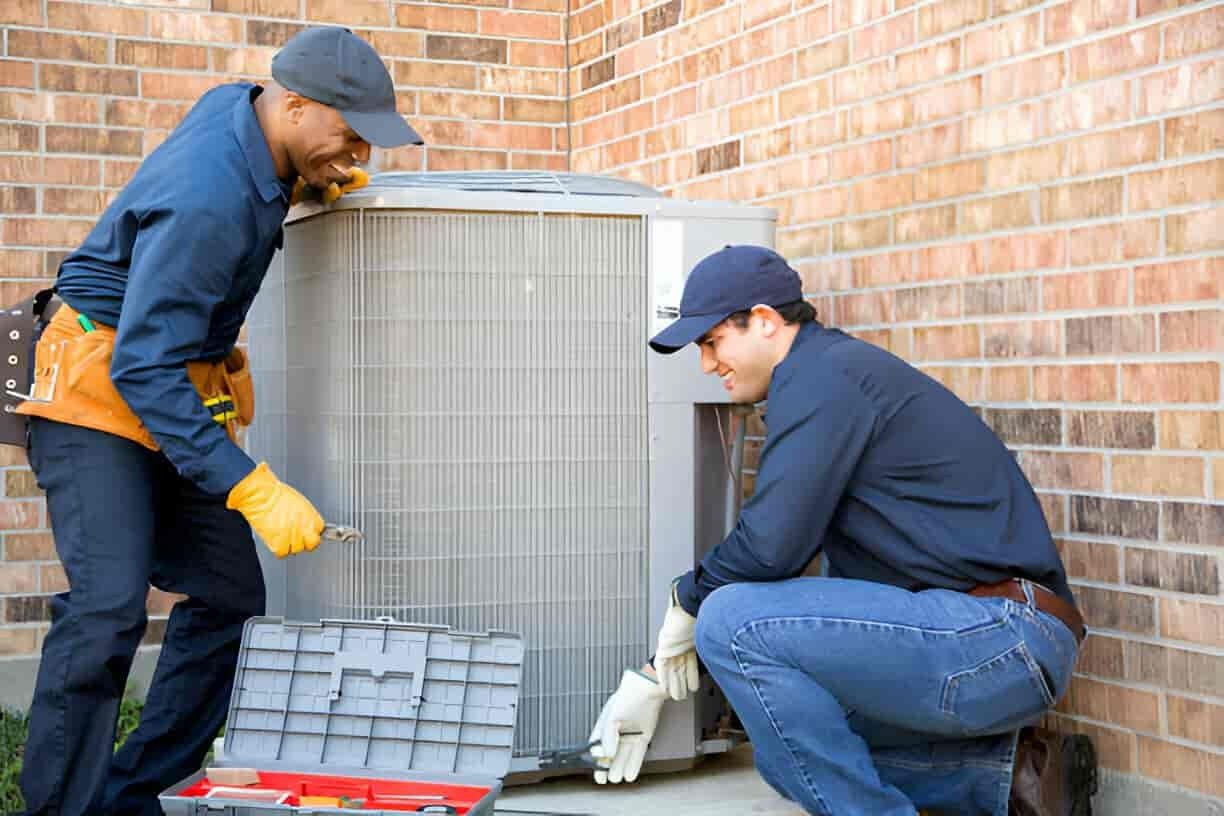
Why consider AC replacement now
- Your current unit is over 10-15 years old and requires frequent repairs.
- Cooling capacity no longer matches your comfort needs (hot rooms, poor humidity control).
- Refrigerant is R-22 (being phased out) or the compressor has failed.
- Energy bills have risen despite regular maintenance.
- Corrosion from coastal salt air is causing leaks, rusted coils, or short equipment life.
Replacing an aging or inefficient system often yields better comfort and lower lifetime costs than repeated repairs, especially in areas like San Bruno where electricity rates and home values make efficiency upgrades worthwhile.
Common AC replacement issues in San Bruno, CA
- Corroded outdoor coils and cabinets from coastal salt exposure.
- Undersized systems after home renovations or added insulation.
- Duct leakage and poor airflow in older constructions.
- Units still using R-22 refrigerant (limited availability and high cost).
- Intermittent cooling due to compressor or control board failure.
How technicians decide: replace versus repair
Technicians evaluate multiple factors before recommending replacement:
- Age of the system (major components usually last 10-15 years).
- Frequency and cost of recent repairs.
- Compressor condition and refrigerant type.
- Overall system efficiency (SEER rating) compared to modern units.
- Home-specific issues: duct condition, insulation, and load changes.
- Estimated remaining useful life and projected operating costs.
If the repair cost approaches 30-50% of a new system, or if efficiency gains will pay back initial investment within a reasonable period, replacement is generally recommended.
Selecting the right size and efficiency
Proper sizing and efficiency selection are critical for comfort and savings:
- Manual J load calculation: Accurate sizing uses a Manual J assessment that accounts for local climate, home orientation, insulation, windows, and occupancy. San Bruno’s mild conditions lower peak cooling loads but coastal humidity and sun exposure still matter.
- SEER and HSPF ratings: Choose SEER ratings that balance savings and upfront cost. Higher SEER yields more savings in the Bay Area where electricity costs are significant.
- Equipment type: Central air, heat pump, or ductless mini-split may be best depending on existing ducts and zoning needs.
- Ductwork considerations: Undersized or leaky ducts reduce performance. Re-sizing, sealing, or adding ductwork can be necessary.
- Zoning and controls: Zoning dampers and smart thermostats improve comfort and reduce wasted cooling in largely unoccupied areas.
Removal and disposal of old equipment
Removal complies with federal and local rules:
- Certified refrigerant recovery: Technicians must recover and properly dispose of refrigerant (especially R-22).
- Recycling and disposal: Metal and electronic components are recycled when possible; hazardous materials are handled per California and local regulations.
- Permits and inspections: San Bruno may require permits and inspections for replacement; licensed technicians typically arrange these.
Typical installation steps
- On-site assessment and load calculation.
- Finalize equipment selection and obtain required permits.
- Schedule removal and prepare the work area (protect landscaping, flooring).
- Safe recovery of refrigerant and removal of the old unit.
- Prepare pad or platform, mounting, and minor duct modifications if needed.
- Install new condenser and air handler/evaporator coil, reconnect ductwork and refrigerant lines.
- Evacuate and charge system to manufacturer specifications.
- Start-up, system testing, thermostat programming, and homeowner walkthrough.
- Register equipment with manufacturer for warranty and provide documentation.
Expected costs, rebates, and financing
Costs vary widely by system size, efficiency, and site complexity. Typical San Bruno installations range based on home size and equipment:
- Replacement of a basic central AC: lower end of the range.
- High-efficiency heat pump or multi-zone ductless systems: higher upfront cost but greater long-term savings.
Available incentives that commonly apply in San Bruno:
- Utility rebates: Local utilities often offer rebates for high-efficiency air conditioners and heat pumps.
- Manufacturer rebates: Seasonal or model-specific incentives may be available.
- State and federal incentives: Energy efficiency programs and tax credits may apply for qualifying systems.
- Financing options: Many providers offer financing plans structured over several years to spread upfront costs.
Ask your technician about current utility and manufacturer incentives and whether your chosen unit qualifies for available rebates and tax incentives.
Warranties and extended coverage
- Manufacturer warranty: Typical coverage includes parts and limited-time compressor warranties. Higher-end models often include longer warranties.
- Extended warranties: Extend coverage for parts and labor beyond manufacturer terms. Evaluate cost versus potential savings on repairs.
- Labor warranty: Confirm the installer’s labor warranty duration for installation workmanship.
- Maintenance agreements: Annual tune-ups prolong equipment life and maintain efficiency, and some warranties require regular maintenance.
Performance expectations and long-term savings
Upgrading to a modern high-efficiency unit in San Bruno can:
- Improve comfort with more consistent temperatures and better humidity control.
- Lower cooling-related energy use; many replacements yield 20-40% energy savings compared to older systems, depending on prior equipment efficiency and usage patterns.
- Reduce repair frequency and unexpected failures.
- Increase home value and marketability through documented efficiency improvements.
Realized savings depend on factors like system sizing, thermostat usage, duct condition, and local electricity rates. Combining a high-efficiency system with good insulation, sealed ducts, and smart thermostat controls provides the best long-term outcome.
Maintenance tips to protect your investment
- Change filters regularly and use recommended filter types.
- Schedule annual tune-ups to verify refrigerant charge, clean coils, and inspect electrical components.
- Seal and insulate ducts, especially in unconditioned spaces.
- Use programmable or smart thermostats to reduce runtime when cooling is not needed.
- Keep the outdoor unit free of debris and plantings and watch for early signs of corrosion due to coastal air.
Replacing your AC in San Bruno, CA is both a comfort and financial decision. With accurate sizing, correct installation, and attention to local conditions like salt air and mild coastal cooling loads, a modern system will deliver reliable performance, improved indoor air, and meaningful energy savings for years to come.
Service Areas

