


AC Repair in San Bruno, CA

AC Repair in San Bruno, CA
Keeping your home comfortable year-round in San Bruno means navigating a unique coastal climate: cool marine layers, elevated humidity in certain months, and salty air that can accelerate corrosion on outdoor HVAC components. When your air conditioner falters, timely, expert AC repair in San Bruno, CA, from Air Flow Pros, is crucial. We prevent larger damage, restore your indoor comfort, and preserve your system's life. We'll detail common failure modes, explain how our professional diagnostics work, outline emergency repair procedures, clarify our parts and guarantee practices, provide transparent estimates, showcase our technicians' qualifications, and explain how repairs interact with warranties and service agreements—all so you can make an informed decision exactly when you need it most.
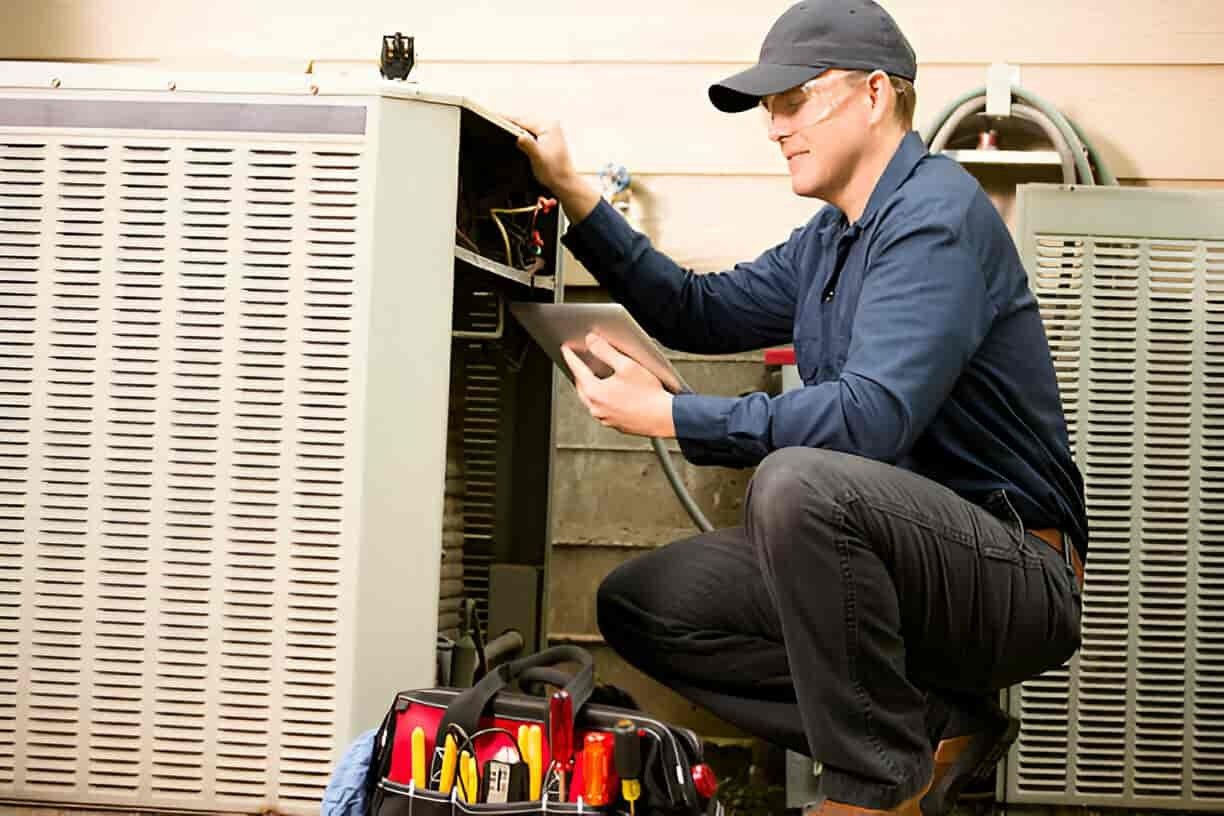
Common AC problems in San Bruno homes
Coastal conditions and aging equipment in this area make certain failures more common. Typical issues include:
- Compressor failure
The compressor is the heart of your outdoor unit. Overheating, electrical faults, or refrigerant starvation can cause it to seize or fail. Salt air can accelerate wear on compressor components in San Bruno. - Condenser or blower motor issues
Motors wear out from age, debris, and corrosion. Symptoms include weak airflow, loud humming, or units that run but fail to move air. - Refrigerant leaks
Leaks reduce cooling capacity and increase wear on the compressor. In coastal environments, corrosion at joints and coils is a frequent leak source. - Electrical problems
Faulty capacitors, contactors, relays, or wiring faults lead to intermittent operation, short-cycling, or complete no-start conditions. - Dirty or restricted coils and filters
Salt, dust, and coastal particles clog coils and reduce heat transfer, lowering efficiency and straining components. - Thermostat and control failures
Incorrect thermostat readings or communication errors can create the illusion of system failure when the issue is controls rather than the HVAC hardware.
How a professional diagnostic process works
A thorough diagnosis separates quick fixes from deeper problems and ensures repairs are effective.
- Initial intake and symptom review
Technicians document symptoms, operating history, and any recent work. Local context such as exposure to salt air, proximity to the coast, or known power events is considered. - Visual inspection
Exterior unit, coil condition, wiring, and components are checked for corrosion, debris, and obvious damage. - Electrical testing
Voltage, current, capacitor performance, and continuity checks identify failing electrical parts without guesswork. - Refrigerant and pressure testing
Accurate pressure measurements reveal undercharge, overcharge, or leaks. If a leak is suspected, electronic detectors or UV dye tracing are used. - Airflow and duct evaluation
Fan speeds, blower motor function, and return/ supply duct issues are assessed to confirm adequate airflow. - System performance verification
After repairs, technicians verify temperatures, pressures, and run cycles to ensure the system meets expected cooling performance.
Emergency and rapid-response procedures
Some failures require fast action to protect equipment and maintain safety.
- Priority triage
Failures that risk compressor burnout, refrigerant release, or electrical hazards are prioritized. - Temporary stabilization
When immediate full repair is not possible, temporary measures—such as isolating a shorted circuit, replacing a failed capacitor, or applying a safe refrigerant hold—preserve system integrity until a full repair can be completed. - 24/7 readiness considerations
Rapid response procedures include carrying commonly needed parts and diagnostic tools to perform safe emergency repairs in the field.
Parts replacement and repair guarantees
Reliable repair work balances quality parts and clear commitments.
- OEM and aftermarket parts
Technicians recommend OEM parts for warranty-sensitive systems and well-specified aftermarket components where appropriate for cost-effectiveness and compatibility. - Labor and parts warranties
Professional repair estimates should specify the warranty period on both parts and labor. Good practice includes written guarantees covering replaced parts and workmanship for a stated period. - Quality assurance checks
Post-repair performance testing confirms the repair resolved the root cause, not just the symptom.
Transparent estimates and repair options
Homeowners need clear, written information to decide between repair or replacement.
- Written diagnostic summary
A professional estimate includes the diagnosed cause, recommended repairs, parts needed, labor hours, and any alternatives. - Repair vs. replace analysis
Technicians provide long-term cost comparisons, factoring system age, efficiency loss, and local climate stressors that can affect remaining useful life. - No surprises
Estimates outline contingencies for hidden damage discovered during repair and how those situations will be handled.
Technician qualifications and standards
San Bruno homes deserve technicians who are trained, credentialed, and experienced with coastal HVAC challenges.
- Licensing and certifications
Look for technicians with HVAC contractor licenses and industry certifications. Factory training on major brands, including Trane and other common systems in the Bay Area, is beneficial. - Safety and refrigerant handling
Proper EPA refrigerant certification and adherence to safety standards protect your home and the environment. - Continuing education
Technicians who stay current on industry best practices, corrosion mitigation, and modern refrigerants deliver better outcomes in San Bruno’s environment.
Repairs, warranties, and service agreements
How repairs interact with warranties and maintenance plans matters for future protection.
- Manufacturer warranties
Repairs performed with OEM parts by authorized technicians generally maintain manufacturer warranty coverage. Documentation of service and parts used is essential. - Service agreements
Regular maintenance agreements reduce emergency repairs, improve efficiency, and often include priority scheduling, which is important during San Bruno’s peak cooling periods. - Record keeping
Keep all repair invoices, parts receipts, and maintenance records to support warranty claims and demonstrate ongoing system care.
Preventive tips for San Bruno homeowners
Simple steps extend system life and reduce costly repairs.
- Replace filters regularly and use models appropriate for local humidity.
- Schedule seasonal maintenance focused on coil cleaning, corrosion inspections, and refrigerant checks.
- Maintain clearance around outdoor units to reduce salt and debris buildup.
- Consider protective coatings for condenser coils in coastal-exposed installations.
- Enroll in a service agreement to catch developing issues before they become emergencies.
Timely, well-documented AC repair in San Bruno, CA protects comfort, preserves warranties, and limits future expenses. Understanding common failures, how diagnostics identify root causes, what emergency crews prioritize, and the guarantees and transparency you should expect helps you choose repairs that deliver lasting performance in the local coastal environment.
Service Areas

