


AC Replacement in Mountainview, CA

AC Replacement in Mountainview, CA
Replacing an aging or failing air conditioner is a major decision for Mountainview, CA homeowners. With mild Mediterranean weather, short but sometimes intense warm periods, and rising summer heat waves in Silicon Valley, choosing the right replacement system impacts your comfort, monthly energy bills, and long-term home value. Air Flow Pros can guide you through the entire AC replacement process in Mountainview, including how systems are evaluated, cost vs. energy-savings tradeoffs, correct equipment selection and sizing, removal and disposal, professional installation workflow, available rebates and financing, and post-replacement warranty and maintenance recommendations.
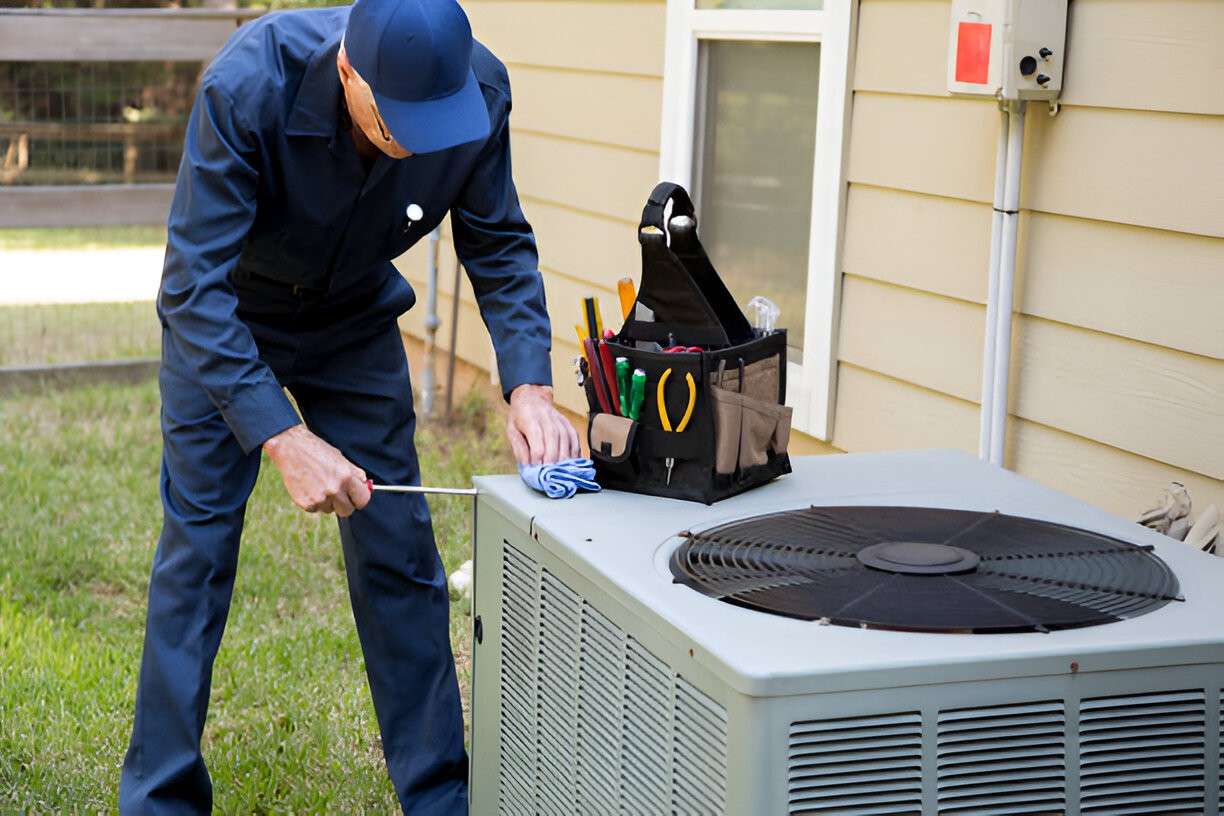
Why replace your AC in Mountainview, CA
- Mountainview homes often experience warm afternoons and attic heat gain that make even mild summers uncomfortable inside.
- Older systems lose efficiency over time, increasing electric bills in a market with relatively high energy costs.
- Frequent short-cycling, higher repair frequency, refrigerant leaks, or inefficient cooling are common triggers for replacement.
- Replacing a failing unit with a properly sized, high-efficiency system improves comfort, indoor air quality, and resale appeal in the local market.
Common AC replacement issues in Mountainview homes
- Reduced cooling capacity during afternoon heat spikes despite prior repairs.
- Rising energy bills compared to similar neighbors due to low SEER efficiency or mismatched components.
- Refrigerant type or leakage issues with outdated refrigerants requiring costly retrofits.
- Ductwork leaks or undersized ducts in older homes that limit performance after a repair.
- Systems older than 10–15 years where reliability and parts availability decline.
How systems are evaluated before replacement
A proper AC replacement begins with a thorough, on-site evaluation that includes:
- Age and service history: Systems beyond 10–15 years are frequently candidates for replacement.
- Performance testing: Measuring airflow, temperature split, and system run-cycles to identify inefficiencies.
- Duct inspection: Checking for leaks, insulation gaps, and restriction that affect output.
- Electrical and thermostat review: Ensuring electrical service and control wiring support modern equipment.
- Home load assessment: Performing or updating a Manual J load calculation to determine proper system capacity for your specific Mountainview home, accounting for local sun exposure, insulation, windows, and attic conditions.
Cost and energy-savings comparisons
When comparing replacement options, weigh upfront cost against projected savings:
- Higher-efficiency units (higher SEER/HSPF ratings) cost more initially but reduce monthly electric bills. In Mountainview, moderate cooling hours mean a balance between efficiency and cost is often optimal.
- Heat pumps offer both efficient cooling and heating, which is attractive where winter heating demand is low to moderate.
- Proper sizing is critical — oversized units cycle too frequently and waste energy; undersized units struggle on the hottest days.
- Factor in lifecycle costs: installation, routine maintenance, likely repair frequency, and expected efficiency degradation over time.
Equipment selection and proper sizing
Selecting the right equipment means matching the system to the home, not simply choosing the biggest unit:
- Capacity: A certified load calculation (Manual J) determines the right tonnage based on Mountainview climate specifics and home characteristics.
- Efficiency: Look for high SEER and EER ratings balanced with budget — in this area, mid-to-high efficiency units often provide the best ROI.
- Type: Central air conditioners, ducted heat pumps, or ductless mini-splits may be appropriate depending on ductwork and zoning needs.
- Matched systems: Choose a matched indoor coil and air handler that pair with the outdoor unit to maximize performance and protect warranties.
- Controls: Upgrading to a programmable or smart thermostat enhances efficiency and comfort, especially for tech-forward Mountainview households.
Removal and disposal of old units
Old equipment removal follows safe, regulatory-compliant procedures:
- Refrigerant recovery: Licensed technicians recover refrigerant in accordance with EPA rules and state regulations to prevent atmospheric release.
- Responsible disposal: Metal and electronic components are recycled when possible; hazardous materials are handled per local waste rules for Santa Clara County.
- Site protection: Technicians protect landscaping and hardscaping during removal, and dispose of debris to leave the site clean.
Professional installation workflow
A professional installation helps ensure peak performance and long equipment life. Typical workflow:
- Pre-installation inspection and final sizing confirmation.
- Permit acquisition when required by local building codes in Mountainview/Santa Clara County.
- Removal of old equipment and refrigerant recovery.
- Preparation of electrical connections, condensate lines, and pad or mounting.
- Installation of matched outdoor unit and indoor coil/air handler, including proper refrigerant charge and airflow balancing.
- Startup and system commissioning: measuring temperature splits, verifying refrigerant charge, testing controls and safety devices.
- Walk-through to explain operation, filter replacement, and recommended maintenance schedule.
- Documentation: providing manufacturer warranty info, equipment specifications, and maintenance recommendations.
Rebates, incentives, and financing options
Mountainview homeowners may benefit from multiple incentives:
- Local utility and community choice energy programs sometimes offer rebates for high-efficiency ACs and heat pumps. Check with your electricity provider for current programs.
- State and federal incentives for energy-efficient equipment or heat pump installations may be available; these can significantly lower net cost.
- Financing options, including low-interest loans and payment plans through equipment providers or third-party lenders, help spread replacement costs over time.
- When planning replacement, request an estimate that shows sticker price, estimated energy savings, and any applicable incentive projections to compare net costs effectively.
Warranty and post-replacement maintenance
Protect your investment with clear warranty and maintenance plans:
- Manufacturer warranties typically cover compressors and parts; confirm lengths for major components and any required registration to activate extended coverage.
- Labor warranties from the installer cover workmanship for a defined period; get terms in writing.
- Routine maintenance extends equipment life: annual tune-ups before peak seasons, regular filter replacement, and periodic duct inspections.
- Consider a service agreement that includes scheduled maintenance and priority service during heat events common in the Bay Area.
- Smart monitoring: A compatible smart thermostat or system monitoring can alert you to performance changes before failures occur.
Service Areas

