


AC Installation in Mountainview, CA

AC Installation in Mountainview, CA
Keeping your home comfortable through Mountain View, CA summers means choosing the right air conditioning system and having it installed correctly. Whether you're replacing an aging unit, upgrading to a high-efficiency system, or installing AC in a home that never had central cooling, professional AC installation from Air Flow Pros protects performance, long-term reliability, and energy cost control. We cover the full new air conditioner installation process, common reasons Mountain View homeowners replace systems, permitting and code requirements, testing and commissioning, available incentives, and what to expect from warranties and aftercare.
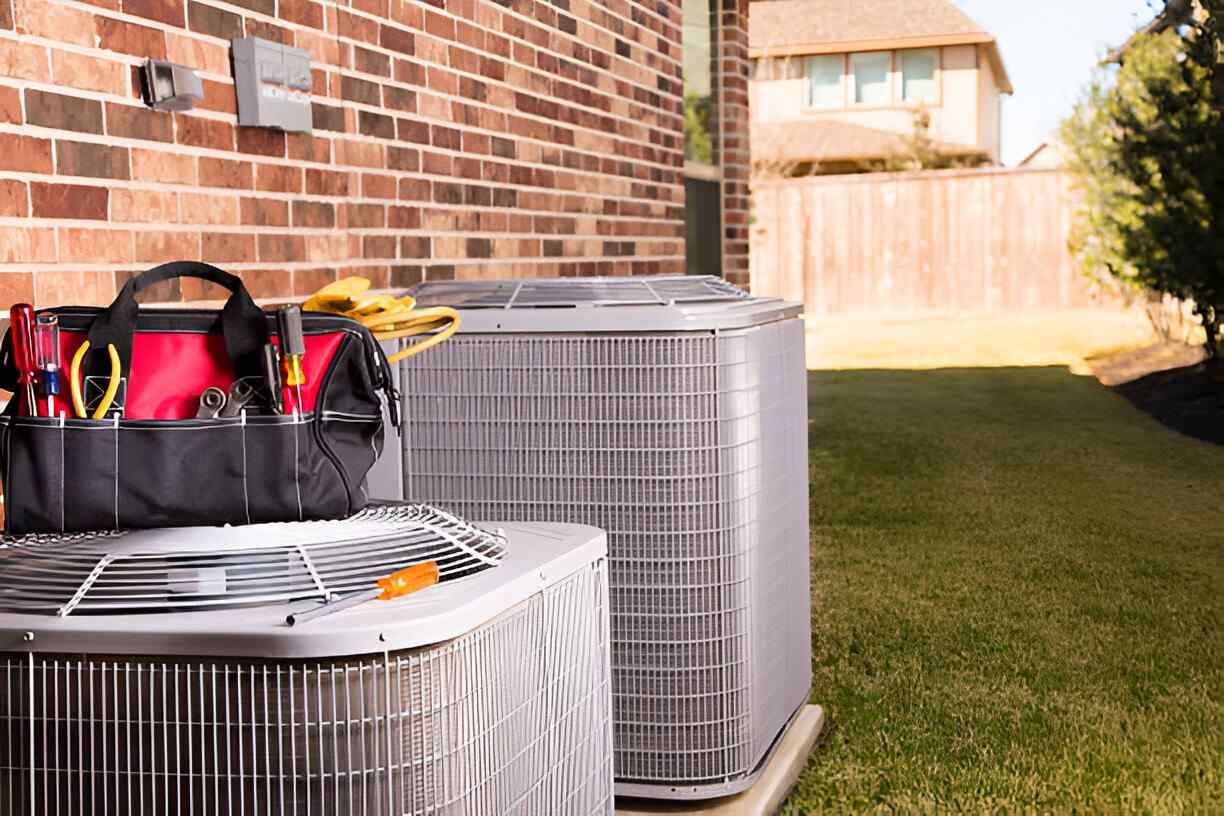
Why a professional AC installation matters in Mountainview, CA
Mountainview’s location near the Bay creates mild winters but increasingly warm summers and occasional inland heat spikes. Homes here often have varied building ages, tight energy codes, and a focus on energy efficiency. A correctly sized, well-installed AC system:
- Keeps indoor temperatures even across rooms and levels
- Lowers monthly electric use by using appropriately efficient equipment
- Reduces wear and tear and extends service life
- Ensures code compliance and safe electrical connections
Improper sizing or installation commonly causes noisy operation, short cycling, high energy bills, and premature compressor failure—issues that are avoidable with a methodical installation process.
Common reasons Mountainview homeowners choose a new AC installation
- Old system failure or rising repair costs
- High cooling bills despite recent repairs
- Uneven cooling or hot spots in attics, bedrooms, or sun-facing rooms
- Homes being remodeled or expanded
- Transition away from R-22 refrigerant systems to environmentally approved refrigerants
- Desire for quieter, more efficient systems with smart thermostats and zoning
- Need to meet Title 24 and local building code requirements during renovations
Initial on-site assessment and accurate load calculations
A reliable installation always starts with an on-site assessment. Technicians measure:
- Home square footage, ceiling heights, insulation levels, window orientation and shading
- Ductwork size, condition, and airflow
- Existing electrical panel capacity and any needed upgrades
The assessment includes a Manual J load calculation to determine the correct cooling capacity. Oversized units cycle too frequently and waste energy; undersized units run continuously and fail to cool adequately. In Mountainview’s variable microclimates, accurate sizing is especially important to balance comfort and efficiency.
Guidance on energy-efficient model selection
In Mountainview, energy efficiency both saves money and helps meet local sustainability goals. When selecting a unit, consider:
- SEER rating: higher SEER equals better seasonal efficiency
- Energy Star certified models for better performance and potential incentives
- Variable-speed compressors for more consistent temperatures and quieter operation
- Proper matched air handlers or evaporator coils to preserve manufacturer warranties
- Compatibility with programmable or smart thermostats and zoning systems
Equipment choices should also reflect home specifics—ducted central AC versus ductless mini-splits for room-by-room control, and heat pump options for combined heating and cooling efficiency.
Permits and code compliance
New installations in Mountainview, CA must comply with California building codes, including Title 24 energy requirements, and local City of Mountainview permitting rules. Typical permit & compliance steps:
- Submit equipment specifications and load calculations with permit application
- Ensure installation meets mechanical, electrical, and refrigerant handling codes
- Schedule required inspections (rough/installation and final)Professional installers handle permit filings and coordinate inspections so systems pass first time and meet local standards.
Professional installation steps (what happens on install day)
- Pre-install preparation: equipment staged, proper pad or mounting prepared, and any electrical/ductwork parts on site
- Old equipment removal: safe refrigerant recovery (if applicable) and disposal per regulations
- Mechanical installation: set condenser, install air handler or indoor coil, connect refrigerant lines and drains
- Ductwork and airflow adjustments: sealing, insulation, and register balancing as needed
- Electrical work: dedicated circuit, disconnect, and any panel upgrades or surge protection
- Refrigerant charging and evacuation: precise charging to manufacturer specs to optimize performance
- Thermostat setup and integration with zoning or smart controls
- Final cleanup and documentation of equipment serial numbers and settings
Throughout, installers follow manufacturer guidelines to maintain warranty eligibility and ensure long-term reliability.
Testing, commissioning, and performance verification
A thorough commissioning process verifies system operation under real conditions:
- Measure airflow, supply and return temperatures, and static pressures
- Check refrigerant pressures and superheat/subcooling to confirm proper charge
- Verify thermostat calibration, setpoints, and any communication with smart systems
- Test safety devices, electrical connections, and condensate drainage
- Walk through operating modes with the homeowner to explain controls and maintenance needs
Documentation provided after commissioning typically includes equipment manuals, maintenance recommendations, and warranty registration details.
Available rebates and financing options in Mountainview
Mountainview homeowners may qualify for energy efficiency incentives and financing programs that reduce upfront cost and improve payback. Typical opportunities include:
- Local utility and state rebate programs for high-efficiency or qualifying heat pump systems
- Manufacturer rebates for select ENERGY STAR models
- Contractor-arranged financing or payment plans tailored to residential upgrades
- Federal or state tax credits when applicable to qualifying installations
A professional installer familiar with Bay Area programs can identify current incentives and help with paperwork to capture available savings.
Warranty, aftercare, and maintenance expectations
New AC systems come with manufacturer warranties on key components and labor warranties from professional installers. Expect:
- Manufacturer compressor and parts warranties with varying terms; registration may extend coverage
- Installer workmanship warranties for a defined period
- Recommended annual tune-ups to maintain efficiency, typically before peak summer usage
- Simple homeowner care: replace or clean filters monthly to quarterly, keep outdoor unit clear of debris, and monitor thermostat settings
Regular preventive maintenance keeps warranties valid, helps avoid emergency repairs, and preserves efficiency—important given local electricity costs and frequent temperature swings.
Long-term benefits of a proper installation in Mountainview homes
A correctly sized and installed AC system provides steady comfort, lower operating costs, improved indoor air quality, and reduced risk of breakdowns during heat waves. For Mountainview residents, investing in energy-efficient equipment supports local sustainability goals and minimizes the environmental footprint of home cooling. Proper permitting and professional installation protect property value and ensure compliance with regional building standards.
If your home needs a new air conditioner or an upgrade, look for an installation process that emphasizes accurate load calculation, Energy Star-level options, local code compliance, thorough commissioning, and clear warranty and maintenance guidance. The right approach delivers consistent comfort and predictable operating costs for years to come.
Service Areas

