


AC Replacement in Lafayette, CA

AC Replacement in Lafayette, CA
Replacing an aging or failing air conditioning system is a major decision for Lafayette homeowners. With warm, dry summers, occasional heat waves, and homes that often have attics and sloped roofs that trap heat, a reliable, energy-efficient cooling system is crucial for keeping comfortable and maintaining good indoor air quality. Air Flow Pros will walk you through how a full AC replacement in Lafayette, CA works, why you might choose a heat pump or high-efficiency air conditioner, what to expect during removal and installation, and how rebates, warranties, and maintenance plans protect your investment.
Why replace your AC now? Common signs and local reasons
If your system is showing any of the following, replacement is often the most cost-effective and reliable option:
- Unit age 10 to 15 years or older and frequent breakdowns
- Rising energy bills despite regular maintenance
- Uneven cooling, hot rooms, or poor airflow in multi-level Lafayette homes
- Refrigerant phase-out issues or expensive R-22 service on older units
- Noisy operation, frequent compressor cycling, or visible rust and leak issues
Lafayette’s inland heat spikes and sunny days can push older systems past their limits faster than cooler coastal areas. Replacing now prevents mid-summer failures when technicians are busiest and reduces the risk of costly emergency repairs.
Types of replacement systems for Lafayette homes
- High-efficiency central air conditioners: Improved SEER ratings deliver lower electric use and quieter operation. Best for homes with existing compatible duct systems.
- Heat pumps (air-source): Provide both efficient cooling and heating—ideal for mild Bay Area winters and to reduce dependency on separate furnaces.
- Ductless mini-splits: Good for additions, homes with poor ductwork, or rooms needing zone control.
- Hybrid systems: Combine a high-efficiency heat pump with a gas furnace for homes seeking peak winter performance and summer efficiency.
Choosing the right system depends on your home layout, insulation, attic exposure, and electrical service capacity.
How we evaluate your existing equipment
A thorough pre-install evaluation protects your budget and performance expectations. Typical checks include:
- Load calculation (Manual J) to size the replacement correctly based on home square footage, orientation, attic insulation, window types, and Lafayette-specific solar exposure
- Ductwork inspection for leaks, insulation status, and sizing (Manual D considerations)
- Electrical panel capacity and disconnect location to ensure safe, code-compliant installation
- Thermostat compatibility and zoning needs
- Refrigerant type and condition to plan safe recovery and disposal
Accurate diagnostics reduce callbacks, improve comfort, and ensure the new system performs as rated in local conditions.
Replacement process and timeline
A standard AC replacement project in Lafayette typically follows these steps:
- On-site assessment and system selection (1 visit)
- Permit application if required by local jurisdiction (timeline varies; often a few days)
- Disconnect and safe removal of old equipment, including refrigerant recovery under EPA rules
- Minor duct modifications, pad replacement, or line set upgrades as needed
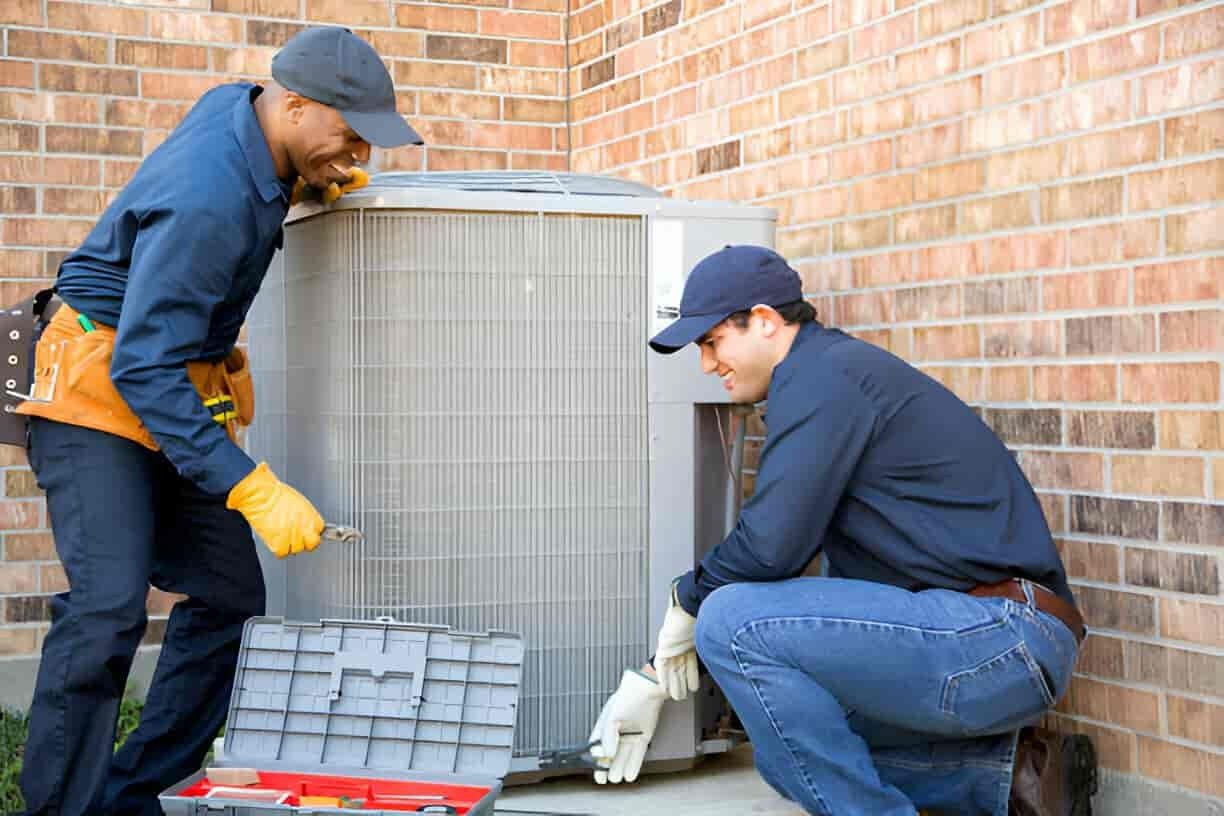
- Installation of new outdoor and indoor units, electrical and thermostat wiring
- System charge, startup, and commissioning tests (airflow, static pressure, superheat/subcooling)
- Final walkthrough and system registration with manufacturer
Typical timeline: for like-for-like replacements with no major duct or electrical work, most installs are completed in 1 to 2 days. Complex upgrades, heat pump conversions, or homes requiring duct replacement can take several days to a week depending on permitting and scope.
Removal and disposal
Proper disposal follows federal and state rules:
- Refrigerant must be recovered by certified technicians and handled per EPA regulations
- Metal and plastic components are recycled when possible
- Hazardous materials, if present, are handled and disposed of through authorized channels
- This approach reduces environmental impact and avoids fines or future compliance problems.
Energy savings, rebates, and financing options
Energy-efficient systems deliver ongoing utility savings—especially important with Lafayette’s summer peak use. Many homeowners can combine savings with incentives:
- Local utility rebates and incentive programs for high-efficiency equipment and heat pumps (check PG&E and regional programs for eligibility)
- Federal tax credits or state-level incentives for qualifying heat pump systems (subject to program rules and income limits)
- Manufacturer rebates available at certain times of year
- Financing and payment plans through lending partners or equipment manufacturers to spread capital costs over fixed terms
Eligibility and amounts vary by program and system specification. Documenting equipment model numbers and installation details at the time of install speeds rebate submissions.
Warranty and extended-warranty choices
New equipment comes with a manufacturer’s limited warranty covering major components for a defined period. Consider these warranty and protection options:
- Manufacturer base warranty on compressor and major components
- Extended warranties that lengthen coverage beyond the manufacturer period
- Service agreements that include routine maintenance and priority service—often required to keep extended warranties valid
- Labor warranties for installation-related issues for a specified window after installation
Read warranty terms carefully: some extended coverage requires annual tune-ups performed by licensed technicians.
Post-install maintenance plans and what to expect
To preserve efficiency and warranty coverage, establish a maintenance routine:
- Annual tune-up before summer: check refrigerant charge, clean coils, inspect electrical connections, and test thermostats
- Quarterly or monthly filter changes for improved airflow and indoor air quality
- Duct inspections every 3 to 5 years, or sooner if occupants notice dust or uneven cooling
- Seasonal checks on condensate drains and outdoor unit clearance from debris or plant growth
A formal service agreement bundles inspections and tune-ups into a predictable schedule that keeps the system running efficiently in Lafayette’s seasonal climate.
Benefits of replacing your AC now
- Lower monthly energy bills and improved comfort during Lafayette heat events
- Fewer emergency repairs and longer overall equipment life
- Improved indoor air quality with updated filtration and sealed ductwork
- Quieter operation and better humidity control with modern equipment
- Potential increase in home value and marketability with an efficient, documented HVAC system
Replacing an AC is a technical and logistical decision; focusing on correct sizing, efficient equipment, proper installation, and a maintenance plan tailored to Lafayette homes produces the best long-term results. If your system is struggling, an informed replacement strategy protects comfort, reduces operating costs, and aligns with available local incentives and warranty protections.
Service Areas

