


AC Maintenance in Lafayette, CA

AC Maintenance in Lafayette, CA
Keeping your air conditioning system tuned and reliable is essential in Lafayette, CA. Hot, dry summers, seasonal spikes in pollen, and occasional wildfire smoke place extra demands on residential cooling systems and indoor air quality. Regular AC maintenance tailored to local conditions improves efficiency, reduces emergency breakdowns during heat waves, and helps your system reach its expected lifespan. Air Flow Pros offers a clear guide to our planned maintenance programs, seasonal tune-up checklists, recommended replacement schedules, and service agreement options designed for Lafayette homes.
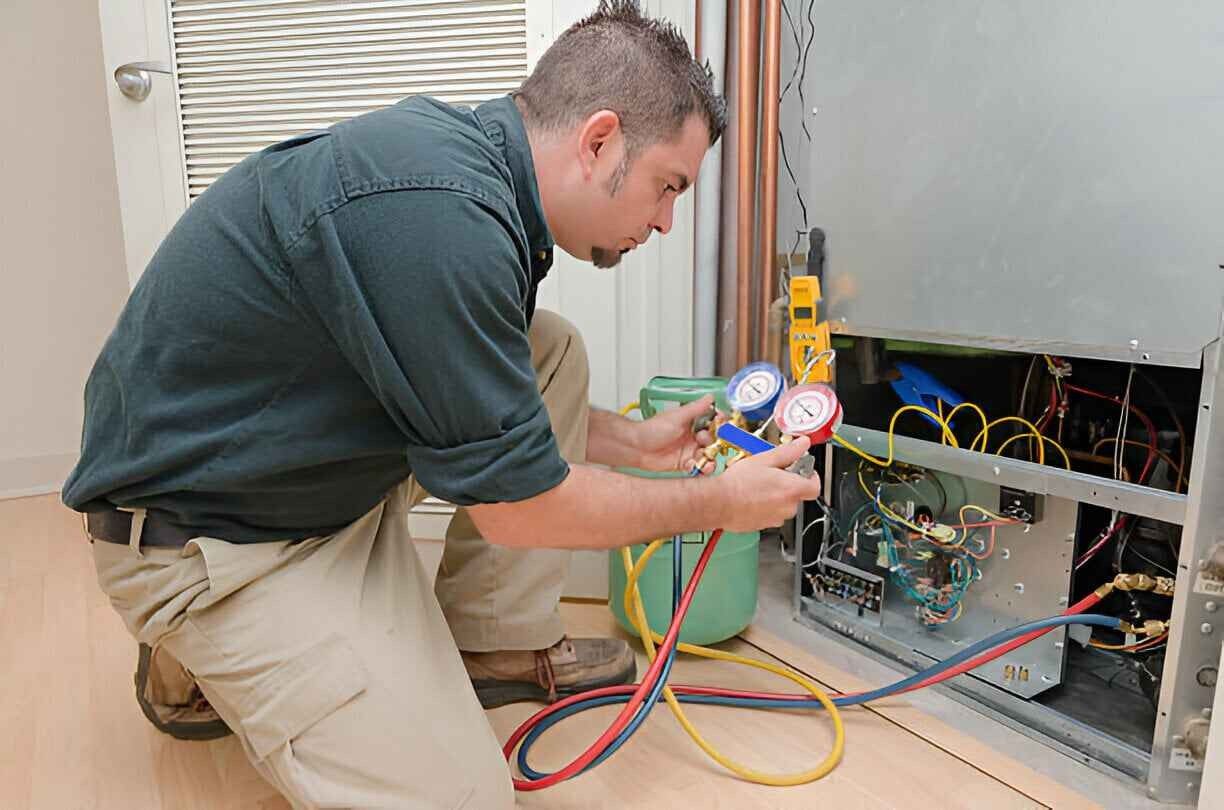
Why AC maintenance matters in Lafayette, CA
Lafayette’s Mediterranean climate means long cooling seasons and heavy use during warm months. Homes in older neighborhoods also often have aging ductwork and equipment that need closer attention. Neglecting routine maintenance leads to:
- Higher energy bills as dirt and worn parts force the system to work harder.
- Reduced cooling capacity and uneven comfort on hot days.
- Indoor air quality problems from pollen and smoke-laden air overwhelming filters.
- Greater risk of mid-summer breakdowns when repair times and temperature stress are highest.
Planned maintenance addresses these issues before they become emergencies.
Common AC maintenance issues in Lafayette, CA
- Dirty condenser and evaporator coils reducing heat transfer and efficiency.
- Restricted airflow from clogged filters or duct leaks — especially common in older homes.
- Refrigerant leaks or low charge causing poor cooling and compressor stress.
- Failing capacitors, relays, and motors after seasonal heavy use.
- Clogged condensate drains and pans leading to water damage or system shutdown.
- Thermostat calibration problems or outdated controls that mismanage runtime.
- Filter overload during pollen season and wildfire smoke events.
Seasonal tune-up checklist (what a full AC maintenance visit includes)
A professional seasonal tune-up for Lafayette homes typically covers a comprehensive inspection and servicing of these items:
- Visual system inspection: outdoor unit, indoor air handler, ducts, thermostat settings.
- Replace or inspect air filters and recommend MERV level based on home needs.
- Clean condenser and evaporator coils if accessible; remove debris around outdoor unit.
- Check refrigerant levels and inspect for visible leaks (pressure testing if needed).
- Measure airflow and inspect blower wheel and motor; clean as needed.
- Test capacitors, contactors, relays, and electrical connections for wear and safety.
- Inspect and clear condensate drain and pan; test condensate pump if present.
- Verify thermostat operation and recalibrate or recommend upgrade if needed.
- Lubricate moving parts (where applicable) and tighten mounting hardware.
- System startup, performance test, and temperature split measurement to confirm proper operation.
- Provide a written report with findings, recommended repairs, and efficiency observations.
Technicians adjust the checklist for Lafayette conditions, emphasizing filter checks during pollen season and coil cleaning after smoky periods.
Recommended filter and component replacement schedule
- Air filters: Inspect monthly. Replace pleated filters every 1–3 months depending on filter rating, occupancy, pets, and wildfire smoke. High-efficiency filters (MERV 8–13) help with pollen and smoke but may need more frequent replacement if airflow is restricted.
- Disposable fiberglass filters: Replace every 1–2 months; not recommended for homes with IAQ concerns.
- UV lamps (if installed): Replace annually to maintain IAQ benefits.
- Condensate pump: Inspect annually; replace every 5–10 years or if showing failure signs.
- Capacitors and contactors: Inspect during each tune-up and plan for replacement every 8–12 years or sooner if degradation is detected.
- Belts (in older systems): Inspect annually and replace if cracking or glazing is present.
- Duct sealing and insulation: Inspect every 3–5 years; perform repairs as needed to prevent efficiency losses.
- Refrigerant: No routine replacement repair leaks promptly and recharge only if necessary. Systems with R-22 are increasingly difficult to service; consider replacement planning if leaks are recurrent.
Benefits for energy efficiency and equipment lifespan
- Lower monthly energy bills through improved airflow, clean coils, and correct refrigerant charge.
- Reduced wear on the compressor and fan motors extends equipment life and delays costly replacements.
- Better comfort control with more consistent temperatures and humidity management.
- Improved indoor air quality by keeping filters and coils clean especially important during Lafayette’s high pollen season and wildfire smoke events.
- Compliance with many manufacturer warranties: Regular documented maintenance can preserve warranty coverage and prevent denied claims.
Service agreement options and typical enrollment structure
Planned maintenance programs for Lafayette homeowners are usually offered in tiered service agreements to match needs and budgets. Common tiers include:
- Basic Tune-Up Plan: One seasonal visit focused on core safety and performance checks, filter inspection, and basic cleaning.
- Standard Maintenance Agreement: Two visits per year (spring and fall) covering full tune-up checklists for cooling and heating seasons, priority scheduling, and discount on repairs.
- Premium Protection Plan: Two tune-ups plus benefits such as diagnostic fee waiver, priority emergency response, higher parts and labor discounts, and automatic scheduling with digital reminders.
Enrollment is straightforward: choose a plan aligned with your home’s needs, schedule seasonal visits in advance, and receive documented reports after each service. Pricing models generally include annual or monthly payment options and vary by plan level and equipment complexity. These agreements are designed to make preventive care predictable and to reduce unexpected service costs.
How regular maintenance reduces emergency service calls
Routine maintenance identifies worn components and developing problems before they lead to system failure. Examples:
- Cleaning coils and ensuring correct refrigerant prevents compressor overload and catastrophic failure during high demand.
- Replacing weak capacitors and tightening electrical connections avoids mid-season electrical faults that cause sudden shutdowns.
- Clearing condensate drains prevents water-related safety switches from tripping and creating emergency service visits.
- Keeping filters fresh reduces airflow strain that can lead to frozen evaporator coils or motor burnout.
When systems are maintained on a schedule, breakdowns are less frequent, and when issues do arise they are typically smaller, easier, and less costly to repair.
Practical maintenance tips for Lafayette homeowners
- Increase filter replacement frequency during spring pollen peaks and any nearby wildfire smoke events.
- Keep at least two feet of clearance around outdoor units to ensure proper airflow; remove leaves and debris after storms or high winds.
- Program or upgrade thermostats for smart scheduling to reduce runtime and wear during shoulder seasons.
- Track service dates and reports to ensure manufacturer warranty requirements are met.
Service Areas

