


AC Replacement in Colma, CA

AC Replacement in Colma, CA
Replacing an aging or struggling air conditioner is definitely a big decision for Colma homeowners. Given our cool, marine-influenced climate, occasionally punctuated by inland heat spikes, choosing the right replacement system is key. A smart upgrade from Air Flow Pros will significantly boost your year-round comfort, noticeably reduce your energy consumption, and help you avoid those frustrating, costly mid-summer breakdowns. We'll help you understand when replacement is truly the best recommendation, compare energy-efficient upgrades and popular models like Trane, and clearly outline what a proper replacement includes – from precise sizing and careful removal to professional installation. Plus, Air Flow Pros will guide you through what local rebates, financing, and warranty options typically look like for AC replacement in Colma, CA.
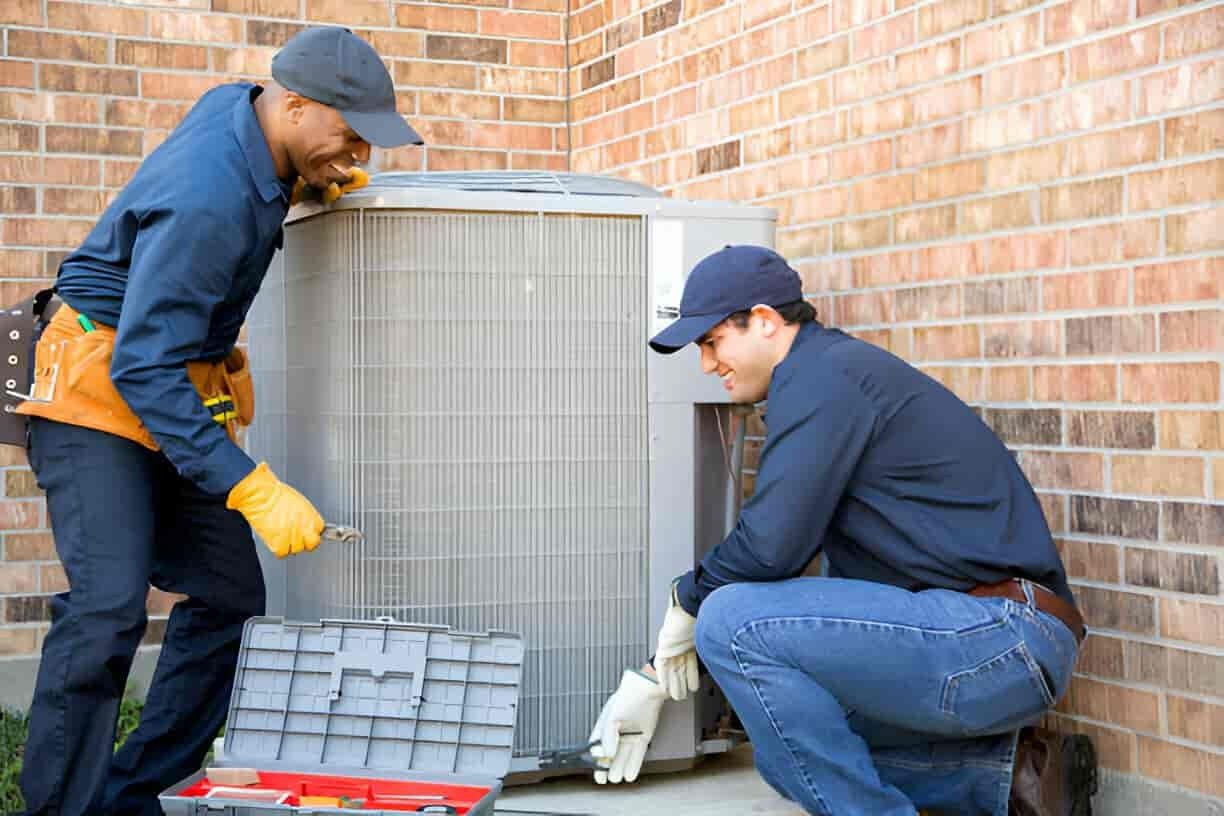
Why replace your AC and when it makes sense
- Age and reliability: Most central air conditioners last 12 to 18 years. Repeated repairs, rising refrigerant or compressor failures, or frequent breakdowns are strong signs replacement will save money and hassle.
- Energy bills: Older systems have lower efficiency. If cooling costs keep rising despite maintenance, a high-efficiency replacement can cut monthly bills and improve comfort.
- Comfort and air quality: New systems offer better humidity control, quieter operation, and improved filtration—important in Colma where fog and coastal air can carry salt and particulates.
- R-value and duct condition: If ducts are old, leaky, or poorly insulated in crawlspaces or attics, a new right-sized system paired with duct improvements delivers the most benefit.
Common AC replacement scenarios in Colma
- System older than 12 years with rising repair frequency
- Compressor or coil failure where repair costs approach replacement
- Homes with rooms that never reach setpoint or show uneven cooling
- Desire to reduce energy use, qualify for rebates, or switch to a quieter, more reliable system
- Upgrading to a Trane model or ENERGY STAR rated equipment for long-term savings
Evaluation and proper sizing
Correct sizing is critical. Oversized units short-cycle, waste energy, and fail to control humidity; undersized units struggle during heat events.
- Load calculation (Manual J): A thorough Manual J sizing evaluates square footage, insulation, window orientation, occupancy, and local climate conditions. Colma’s cool coastal influence and periodic inland heat spikes both factor into sizing and equipment selection.
- Duct evaluation (Manual D): Inspect duct layout, leaks, and insulation. Sealing and insulating ducts often improves performance as much as a new condenser.
- Airflow and matched components: Proper airflow, matched evaporator coils, and refrigerant charge are confirmed during system selection and final startup.
Comparing energy-efficient upgrades and Trane models
When considering AC replacement in Colma, CA, look at these options and features:
- High-efficiency condensers: Modern systems carry higher SEER ratings and can lower energy usage significantly compared with older equipment.
- Variable-speed compressors: Provide more consistent temperatures, better humidity control, and quieter operation. These deliver the most comfort benefit in a Bay Area home that has both cool mornings and warmer afternoons.
- Two-stage systems: Run at lower capacity most of the time for efficiency, with higher output available for heat waves.
- Trane advantages: Trane models are known for durability and a range of efficiency options. When comparing Trane equipment, evaluate single-stage, two-stage, and variable-speed options and choose the model with features that match your comfort goals and budget.
- ENERGY STAR and performance: ENERGY STAR rated systems and compatible thermostats provide a clear pathway to lower bills and may be required for certain rebates.
Removal and disposal of old equipment
Proper disposal protects the environment and meets regulatory requirements.
- Refrigerant recovery: EPA rules require recovery and proper handling of refrigerants. Technicians recover refrigerant before removing the outdoor unit.
- Recycling and disposal: Metals, copper, and components are recycled when possible. Old equipment removal also includes safe disposal of oil, refrigerant, and nonrecyclable components per local codes.
- Permits and inspections: Replacements often require a local permit and final inspection in San Mateo County. Permit procedures ensure safe electrical connections and refrigerant handling.
Installation process you can expect
A typical AC replacement follows predictable steps to ensure performance and compliance:
- Site assessment and load calculation: Confirm the right equipment and placement for the condenser and coil.
- Obtain permits: Coordinate with the local jurisdiction for permits required by Colma and San Mateo County.
- Remove old equipment: Recover refrigerant, disconnect electrical and refrigerant lines, and remove the condenser and coil.
- Prepare pad and lines: Set a new pad, replace or clean refrigerant lines if needed, and ensure proper condensate drainage.
- Install new unit and coil: Mount the condenser, match the evaporator coil, connect refrigerant, and wire controls.
- Startup and testing: Evacuate and charge the system to manufacturer specifications, verify airflow, measure temperatures, and calibrate the thermostat.
- Owner orientation and paperwork: Explain operating modes, filter maintenance, and warranty paperwork. Provide documentation for rebates or financing applications if applicable.
Rebates, financing, and extended warranty options
- Rebates and incentives: Many homeowners qualify for manufacturer rebates, utility or municipal incentives, and state programs for high-efficiency equipment or heat pumps. ENERGY STAR installations and certain Trane models commonly appear on incentive lists.
- Financing: Many financing programs allow homeowners to spread replacement costs over time. Typical options include short-term promotional plans or longer-term loans tied to energy savings.
- Extended warranties and service agreements: Manufacturer warranties cover major components, but extended labor warranties or service agreements provide added peace of mind and predictable maintenance costs. When replacing equipment, review both factory and optional extended coverage to protect your investment.
Expected energy and comfort benefits
- Lower operating costs: Upgrading from an older system to a high-efficiency unit typically reduces electricity use for cooling and can lower monthly bills.
- Better humidity control: Properly sized, two-stage or variable-speed systems maintain lower indoor humidity for improved comfort, especially important with Colma’s coastal conditions.
- Quieter, more consistent comfort: Newer equipment runs quieter and provides steadier temperatures throughout the home.
- Improved indoor air quality: Modern systems paired with upgraded filtration reduce dust and airborne particles, helpful for homes near busy corridors or fog-lined coast.
Post-installation care and maintenance
- Annual tune-up: Schedule yearly maintenance to keep the new system running at peak efficiency. Tune-ups typically include refrigerant checks, coil cleaning, airflow verification, and electrical inspections.
- Regular filter changes: Replace filters on schedule to protect the coil and maintain airflow.
- Duct sealing and insulation: Addressing duct leaks increases efficiency and comfort, and prolongs equipment life.
- Smart thermostats and zoning: Installing a programmable or smart thermostat and considering zoning can maximize comfort and energy savings.
Choosing the right AC replacement in Colma, CA means balancing system size, features, local climate considerations, and long-term operating costs. When planned and executed with proper load calculations, correct equipment matching, and attention to ductwork and refrigerant handling, a replacement yields measurable comfort and efficiency gains for Bay Area homes.
Service Areas

