


AC Repair in Walnut Creek, CA

AC Repair in Walnut Creek, CA
When your air conditioner unexpectedly gives up in Walnut Creek, CA, you don't just need any service – you need fast, reliable help from a team that truly understands our local weather patterns, indoor air quality concerns, and the specific types of homes found here. Walnut Creek summers often bring sustained heat that can really push older systems to their limit, and seasonal smoke from regional wildfires adds extra demands on your filtration and ventilation. At Air Flow Pros, our professional AC repair in Walnut Creek, CA, goes beyond a quick fix. We cover everything from emergency response and common failure diagnostics to guiding you through repair versus replacement decisions, clearly explaining our parts policies, highlighting our technicians' qualifications, and expertly handling warranties. We'll also provide typical turnaround times and even share some practical, safe emergency troubleshooting tips you can try. Trust Air Flow Pros to bring comfort back to your home.
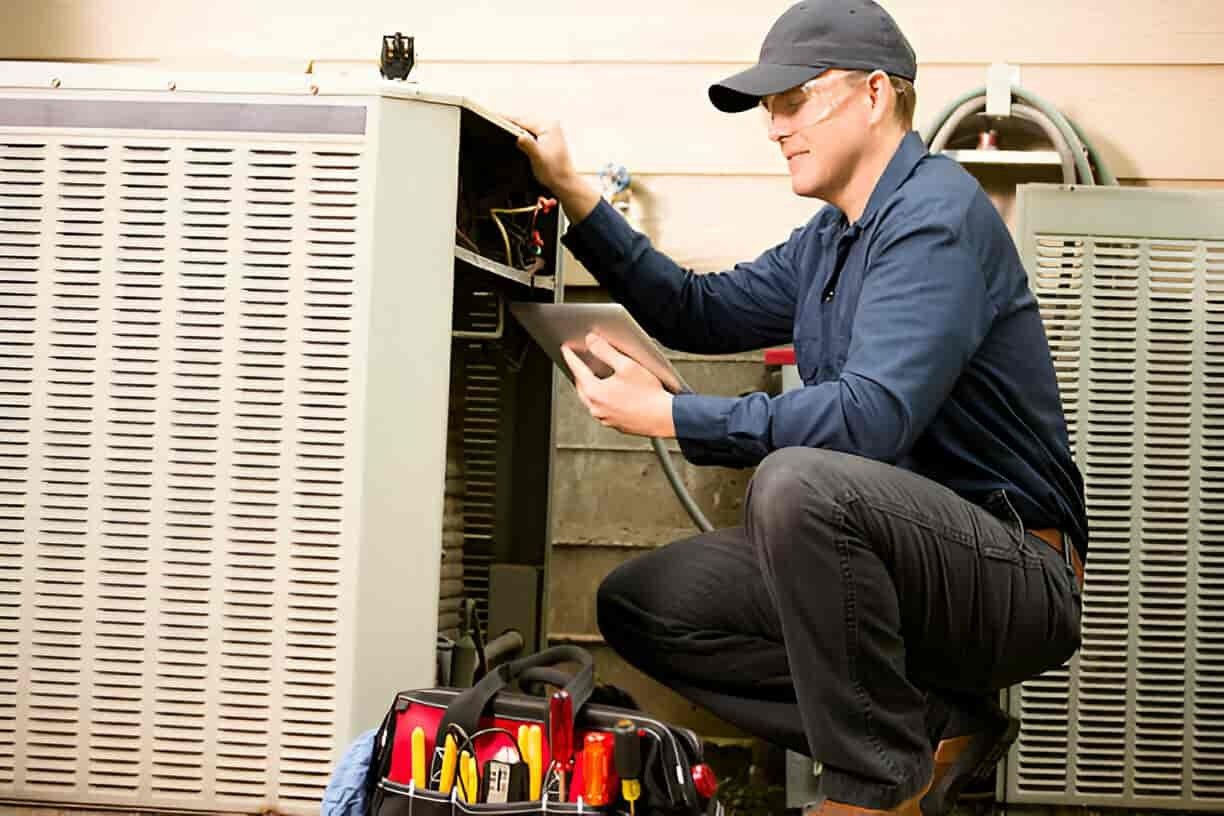
Why timely AC repair matters in Walnut Creek homes
Hot interior conditions and poor indoor air quality create discomfort and health risks, especially for children, seniors, and those with respiratory issues. Delaying repairs can compound problems: a small refrigerant leak or failing capacitor can lead to compressor damage, more extensive downtime, and higher energy bills. In a market with rising energy costs and local air-quality events, fast diagnosis and correct repairs preserve comfort, safety, and long-term value.
Common AC repair issues in Walnut Creek
Most service calls fall into a few predictable categories:
- Electrical faults: tripped breakers, failed capacitors, worn contactors, and control board issues.
- Refrigerant leaks: low pressures, reduced cooling capacity, and system icing.
- Compressor failure or hard starting: caused by age, electrical stress, or oil contamination.
- Blower motor and airflow problems: clogged filters, dirty coils, collapsed ductwork, or failed blower motors.
- Thermostat and control issues: calibration errors, poor wiring, or failing sensors.
- Condensate and drainage problems: clogged drain lines causing water backups or safety shutoffs.
- Outdoor unit problems: fan motor failures, debris buildup, and corroded components.
Typical diagnostic process
A thorough diagnostic follows a consistent, transparent process so you know what was inspected and why:
- Visual inspection of indoor and outdoor units, ductwork, and filters.
- Electrical checks: voltage, amperage, contactors, and capacitor condition.
- Refrigerant pressure and leak detection if cooling is inadequate.
- Airflow and temperature split measurements across the evaporator coil.
- Compressor health assessment and motor testing.
- Condensate and safety control checks.
Technicians document findings, explain root causes in plain language, and present repair options with estimated parts and labor impact.
Repair vs replace guidance
Deciding whether to repair or replace depends on several factors:
- System age: systems older than 10-12 years often justify replacement, especially if efficiency is low or major components fail.
- Frequency of repairs: multiple repairs in a short period typically point to replacement.
- Type of failure: a single, inexpensive part (capacitor, contactor, filter motor) usually merits repair; a failed compressor or repeated refrigerant leaks may favor replacement.
- Energy efficiency and refrigerant type: older units using phased-out refrigerants increase service costs and regulatory constraints.
- Home comfort goals: if you want improved efficiency, quieter operation, or better filtration for wildfire smoke, a modern replacement can deliver those benefits.
Expect honest, numbers-based comparisons showing remaining useful life, estimated future repair costs, and projected energy savings for replacement options.
Parts replacement policies and standards
Professional AC repair follows clear parts practices:
- Preference for OEM or manufacturer-equivalent parts to preserve system reliability and warranty coverage.
- Transparent disclosure when aftermarket or refurbished parts are proposed, including expected lifespan and warranty terms.
- Documentation for all replaced parts and serial numbers to assist warranty claims.
- Proper disposal or recycling of refrigerants in compliance with federal and state regulations.
Technician qualifications and safety
Repair work should be performed by technicians with the right certifications and training:
- EPA refrigerant handling certification.
- State contractor licensing and appropriate local permits when required.
- Ongoing manufacturer training for modern systems and controls.
- Experience with diagnostic instruments (multimeters, refrigerant gauges, leak detectors, airflow hoods).
- Safety protocols for electrical work and refrigerant handling, and clear communication about hazards encountered on site.
Warranty handling and documentation
When repairs interact with manufacturer warranties:
- Technicians document pre-repair diagnostics and parts replaced to support warranty claims.
- Labor warranties are provided for a defined period; parts carry manufacturer warranties as applicable.
- If a repair affects a manufacturer warranty, technicians will explain implications and alternatives, including qualified replacement options that preserve new equipment warranties.
Typical turnaround times
Repair timelines vary by issue:
- Minor electrical or motor replacements: often completed same day (a few hours).
- Refrigerant top-off or small leak repair: potentially same day if parts are in stock; extended if leak sealing and retesting are required.
- Compressor replacement or major component swap: commonly 1 to 3 days depending on part availability and permitting.
- Full system replacement: several days to a week depending on complexity, ductwork needs, and scheduling.
In Walnut Creek, local supply availability and seasonal demand (peak summer) can affect lead times. Expect transparent scheduling estimates before work begins.
Emergency troubleshooting tips for homeowners
Before professionals arrive, these safe checks can help reduce damage and improve comfort:
- Check the thermostat settings, batteries, and mode (cooling, fan).
- Inspect and replace a dirty air filter; restricted airflow mimics system failure.
- Confirm the outdoor unit is clear of debris, leaves, or grass.
- Check circuit breakers and disconnects for a tripped breaker or blown fuse.
- If the indoor coil is frozen, turn the system off and allow the coil to thaw to avoid compressor damage.
- If you smell burning or refrigerant, power down the system and avoid running the AC; refrigerant exposure and electrical fires are hazards.
If you are uncomfortable performing any check, it is safer to leave it to a licensed technician.
Ongoing benefits and maintenance advice
Regular maintenance reduces emergency repairs, improves efficiency, and extends system life. Seasonal tune-ups, filter changes, and proactive refrigerant checks are especially valuable in Walnut Creek, where heat spikes and wildfire smoke place extra demands on systems. Consider enhanced filtration or ventilation upgrades if indoor air quality is a priority during smoke events.
Service Areas

