


AC Maintenance in Walnut Creek, CA

AC Maintenance in Walnut Creek, CA
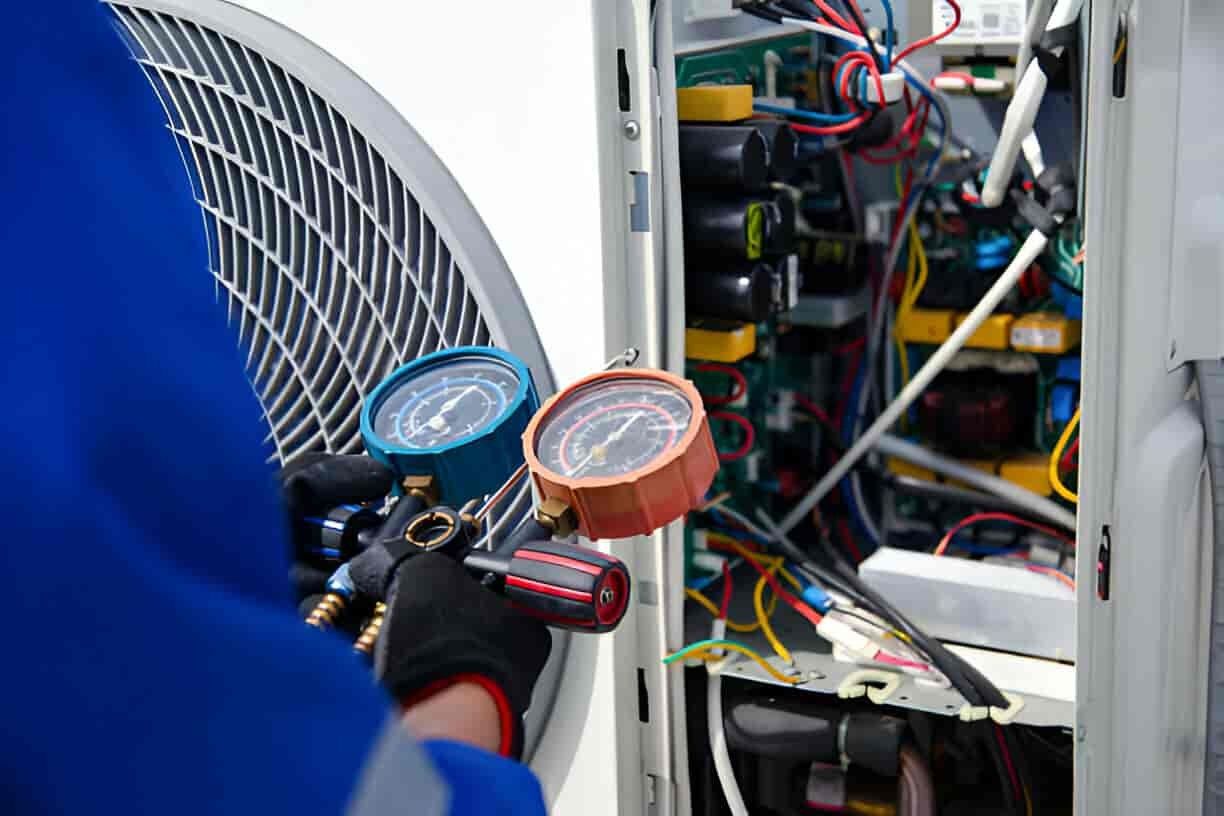
For Walnut Creek homes, keeping your air conditioning running reliably and efficiently is absolutely essential. Our hot, dry summer days and the periodic poor air quality from wildfire smoke really put extra stress on cooling systems. That's why Air Flow Pros offers a comprehensive AC maintenance program tailored specifically for our local conditions. It dramatically reduces your risk of breakdowns during peak demand, helps lower energy costs, and extends the life of your equipment. Let's give you a clear, expert overview of what full-service AC maintenance in Walnut Creek involves, address common local issues, and highlight the practical, real-world benefits of scheduled preventative care.
Why professional AC maintenance matters in Walnut Creek
Walnut Creek’s Mediterranean climate means long cooling seasons and occasional heat spikes that force AC systems to work harder. Additionally, seasonal wildfire smoke can clog filters and coils faster than in other regions. Regular maintenance:
- Keeps indoor comfort consistent during summer peaks
- Preserves indoor air quality when outdoor smoke or pollen levels are high
- Prevents expensive mid-summer failures when repair times and costs rise
- Helps systems meet manufacturer warranty requirements
Common AC problems in Walnut Creek homes
Understanding typical failure modes makes it easier to prioritize maintenance:
- Dirty filters and coils leading to reduced airflow and poor cooling
- Refrigerant leaks or low charge that cause longer run times and poor efficiency
- Worn bearings, belts, or motors creating noise and reduced performance
- Thermostat miscalibration causing uneven temperatures or short cycling
- Clogged condensate drains causing water damage or humidity problems
- Electrical wear that leads to intermittent operation or tripped breakers
What a comprehensive AC maintenance program includes
A thorough, seasonally tuned maintenance visit covers both preventative and diagnostic steps. Typical components and benefits:
Scheduled tune-up and inspection
- Visual inspection of indoor and outdoor units
- Run-cycle evaluation under load to confirm operation
Filter maintenance
- Check and replace or recommend a suitable filter grade
- Advice on filter frequency based on household needs and wildfire seasons
Coil cleaning (evaporator and condenser)
- Remove dirt, debris, and built-up residue to restore heat transfer
Lubrication and mechanical inspection
- Lubricate motors and moving parts where applicable
- Inspect fan blades, belts, and bearings for wear
Refrigerant check and leak assessment
- Verify proper refrigerant charge and look for signs of leaks
- Explain implications of low charge on efficiency and compressor life
Electrical and safety checks
- Test capacitors, contactors, breakers, and wiring for integrity
- Confirm safe operation of safety and control devices
Thermostat calibration and controls
- Calibrate thermostat setpoints and verify communication with system
- Check zoning or programmable controls for proper scheduling
Performance testing and documentation
- Measure temperature split (delta T), airflow indicators, and amperage draw
- Provide a written summary of findings and recommended next steps
Condensate drain and pan inspection
- Clear clogs and verify proper drainage to prevent moisture issues
Duct and airflow evaluation (basic)
- Identify obvious leaks, blockages, or return/supply imbalances
Recommended maintenance intervals for Walnut Creek
- Filter checks: monthly for disposable filters; every 1-3 months typical. During wildfire season or high pollen periods, check filters more frequently.
- Full AC tune-up: at least once per year, ideally in spring before heavy cooling demand. For homes with high usage, or older systems, consider biannual checks (spring and fall).
- Coil cleaning: annually, or more often if outdoor unit accumulates debris or if air quality events are frequent.
- Refrigerant and electrical inspection: annually to detect slow-developing issues before they cause failure.
- Service agreements: enrollment usually provides scheduled visits aligned with these intervals and additional benefits.
What performance testing looks like (plain language)
We use simple, proven checks that point to real problems:
- Temperature split (delta T) - compares supply and return air. A healthy system typically shows a specific temperature difference; a much lower or higher value signals airflow or refrigerant issues.
- Runtime and cycling - tracks how long the system runs and how often it cycles on and off to spot short cycling or insufficient capacity.
- Electrical draw - measures motor and compressor amperage to detect stressed components that may fail soon.
- Airflow assessment - confirms vents are delivering adequate air without obstructions or significant duct losses.
Explaining results in clear terms helps you understand whether a minor tune-up suffices or a deeper repair or replacement is advisable.
Service agreement benefits (priority-focused, homeowner advantages)
Service agreements are designed to reduce emergency repairs and improve long-term value:
- Priority scheduling during peak seasons so your home is serviced faster during heat waves
- Discounted labor or parts for covered repairs
- Regularly scheduled preventative visits that align with manufacturer warranty requirements
- Seasonal reminders and documented maintenance history that support resale value
- Predictable upkeep that often results in fewer emergency calls and lower overall lifecycle cost
How regular maintenance improves efficiency and extends equipment life
Routine care addresses the biggest efficiency killers: dirt, airflow restriction, and mechanical wear. Typical outcomes include:
- Lower operating costs - maintained systems commonly use less energy, often improving efficiency by measurable percentages depending on initial condition
- Fewer breakdowns - catching worn parts and small leaks early prevents major failures that can shorten compressor life
- Better comfort - faster recovery after setbacks and steadier indoor temperatures
- Longer lifespan - systems that receive regular professional maintenance often last several years longer than neglected units
Homeowner checklist: simple actions between service visits
- Change or inspect filters monthly during heavy use and after smoke events
- Keep 2-3 feet of clearance around the outdoor unit free of plants and debris
- Check thermostat batteries and schedules seasonally
- Monitor energy bills and indoor comfort; unusual spikes or hot rooms can indicate the need for service
- During wildfire smoke events consider higher efficiency filtration or portable air cleaners for short-term air quality control
Regular, professionally administered AC maintenance tailored to Walnut Creek conditions makes cooling more reliable, more efficient, and longer lasting. Clear documentation from each visit plus a service agreement designed around local climate patterns will help your system perform when you need it most and protect your investment over time.
Service Areas

