


AC Repair in South San Francisco, CA

AC Repair in South San Francisco, CA
When your air conditioner gives out in South San Francisco, CA, it's more than just an inconvenience; it can really mess with your comfort, your sleep, and even your indoor air quality. The unique combination of coastal fog, salty marine air, and those occasional heat surges from inland valleys creates a specific set of challenges for cooling systems in our area. At Air Flow Pros, we're familiar with these local conditions. We'll walk you through common AC failure modes, how our professionals diagnose problems, what to expect from our 24/7 emergency response, parts replacement and repair timelines, and our transparent estimates. We also offer expert advice on brand and system compatibility, and practical guidance to help you decide when it's best to repair versus replace your unit. Air Flow Pros is here to help.
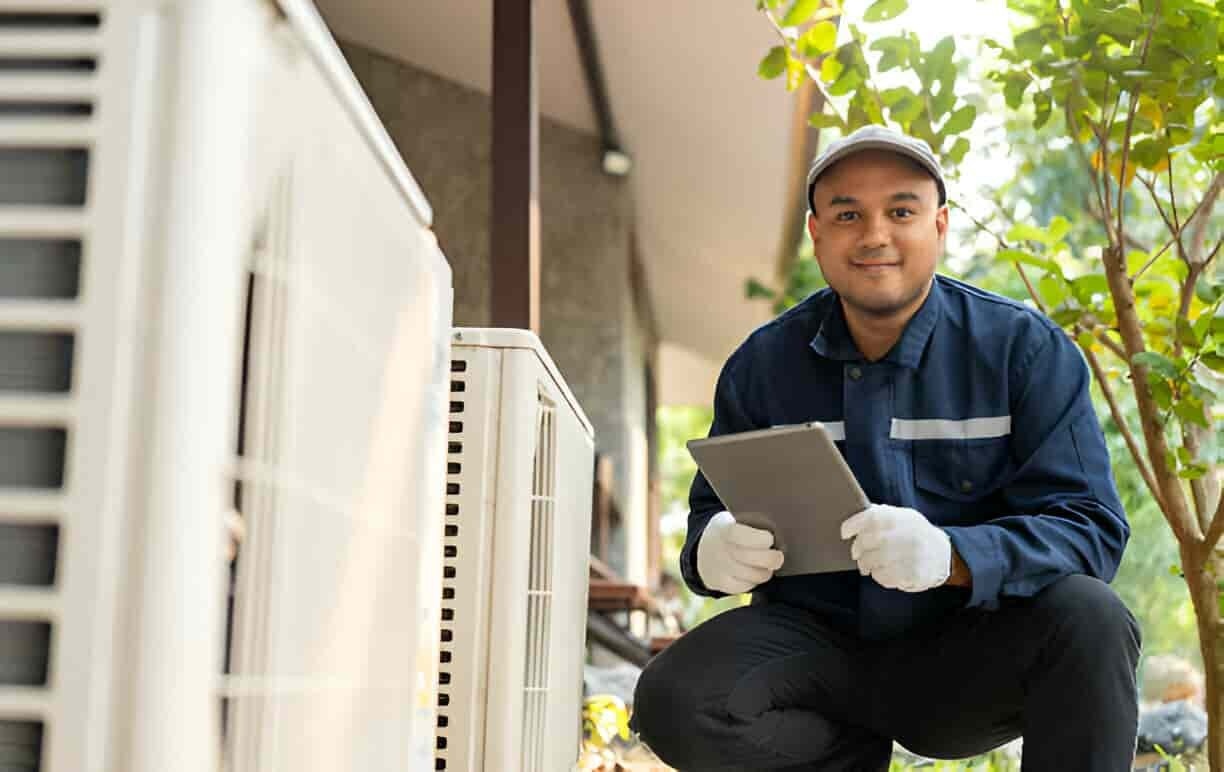
Why timely AC repair matters in South San Francisco homes
South San Francisco homes face damp, salty air that accelerates corrosion on outdoor condensing units and electrical connections. Humidity and fog increase coil and drain line clogging risk, and sudden inland heat spikes can expose aging systems to high loads. Addressing issues quickly reduces risk of more expensive damage, restores efficiency, and helps avoid indoor air quality problems from mold or stagnant water.
Common AC repair issues in South San Francisco
Homeowners and property managers commonly see these problems:
- Poor cooling or no cooling - often caused by refrigerant leaks, compressor failure, or restricted airflow.
- Short cycling - system turns on and off frequently due to thermostat issues, oversized systems, or electrical faults.
- Weak airflow - clogged filters, dirty evaporator coils, failing blower motors, or blocked ductwork.
- Strange noises - grinding, rattling, or hissing that point to bearings, fan blades, loose parts, or refrigerant leaks.
- Water leaks or overflow - blocked condensate drains or damaged drain pans leading to water damage and mold risk.
- Electrical failures - tripped breakers, failed capacitors, or corroded contactors, made more likely by coastal moisture.
- Refrigerant concerns - older units using R22 are costly to service and may need replacement due to phaseout.
Diagnostic procedures you can expect
Professional AC diagnostics combine visual inspection, electrical checks, and performance testing:
- Initial assessment of symptoms and recent operating history.
- Visual inspection of indoor and outdoor components for corrosion, leaks, debris, and wiring damage.
- Thermostat verification and temperature split measurement to confirm cooling performance.
- Electrical testing of breakers, fuses, capacitors, contactors, and motors.
- Refrigerant pressure check and leak detection if low charge or hissing is present.
- Airflow measurement and filter check to rule out duct or blower issues.
- Condensate system inspection for clogs, pump failures, or overflow conditions.
- Technicians will explain findings in plain language and present recommended options with an estimate.
Emergency 24/7 response and what to expect
Emergencies can include total system failure during an extreme heat day, active water leaks, or burning smells. Emergency response typically includes:
- Rapid on-site arrival for safety assessment and temporary mitigation to prevent damage.
- Priority diagnosis and, when possible, on-the-spot repairs to restore basic cooling or stop leaks.
- Temporary measures such as isolating a failed component, clearing condensate clogs, or resetting electrical faults.
- If parts are required, technicians will provide a timeline for ordering and return service.
- South San Francisco residents should expect emergency teams to secure the home and prioritize issues that prevent further property damage or hazards.
Parts replacement and typical repair timelines
Repair timelines vary by part and system type:
- Same-day repairs: basic electrical parts (capacitors, contactors), thermostat replacements, filter or drain cleaning.
- 24 to 72 hours: common refrigerant line repairs, fan motors, or blower motor swaps when parts are in stock locally.
- Multi-day: compressor replacement or major refrigerant work that may require specialty parts or permits.
- Longer lead times: rare or obsolete parts, especially for older systems using phased-out refrigerants like R22.
- Technicians should provide a clear timeline before starting work and explain any delays due to part sourcing or permitting.
Transparent pricing and estimates
Expect clear, written estimates that outline:
- Diagnostic fee structure and whether it is credited toward repair if you proceed.
- Labor, parts, and any applicable permit or disposal costs.
- Warranty coverage on parts and workmanship.
- Options when repairs are discretionary, including estimated lifespans and energy implications.
- A responsible service provider will explain every line item and the tradeoffs between quick fixes and longer term solutions.
Brand and system compatibility
South San Francisco homes use a mix of central split systems, heat pumps, and ductless mini-splits. Reputable service covers major brands and system types, including Trane, Carrier, Lennox, Goodman, Rheem, Mitsubishi, Fujitsu, and others. Important compatibility notes:
- Heat pumps require different diagnostics in heating mode during cooler months.
- Ductless inverter systems need specialized tools and knowledge for pressurization and electronic controls.
- Older R22 systems are increasingly costly to recharge and often justify replacement.
- Technicians should confirm parts compatibility and refrigerant requirements before ordering or installing components.
Repair versus replacement: a practical guide
Consider these factors when deciding:
- Age of the system: units older than 10 to 15 years often approach the end of useful life.
- Cost of repair versus replacement: major component failures like compressors can approach a significant fraction of replacement cost.
- Efficiency gains: newer systems with modern inverter technology and higher SEER ratings can lower energy bills and improve comfort.
- Refrigerant availability: if your system uses R22, replacement is often the more economical long-term choice.
- Frequency of repairs: repeated breakdowns are a sign replacement will likely be more reliable and economical.
- A balanced decision weighs immediate budget, expected remaining service life, and savings from improved efficiency.
Maintenance tips to avoid common failures
Regular maintenance extends system life and reduces emergency repairs:
- Schedule seasonal tune-ups to check refrigerant, clean coils, and inspect electricals.
- Change filters monthly or per manufacturer guidance to maintain airflow and indoor air quality.
- Keep outdoor units clear of debris and rinse salt buildup periodically in coastal areas.
- Insulate and seal ducts to improve airflow and cooling consistency.
- Consider a service agreement for prioritized scheduling and planned preventive care.
Service Areas

