


AC Installation in South San Francisco, CA

AC Installation in South San Francisco, CA
Installing a new air conditioning system is a significant investment in comfort, energy savings, and indoor air quality. For homeowners in South San Francisco, CA, the right installation from Air Flow Pros balances efficient cooling during occasional warm spells with systems sized and configured for the area's mix of coastal fog, mild summers, and densely built neighborhoods. We explain the full AC installation process, common local issues, and provide practical guidance to help you choose a system that performs reliably in South San Francisco homes.
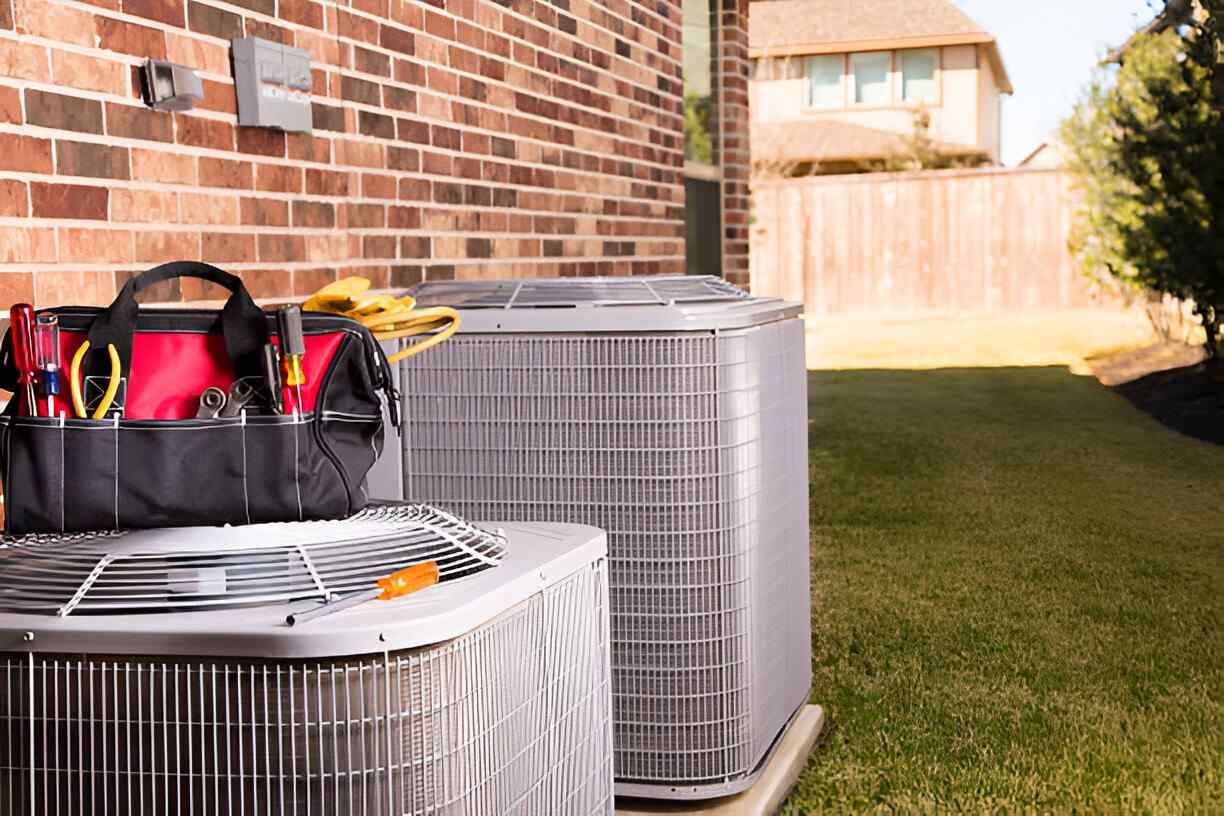
Why professional AC installation matters in South San Francisco
Improperly sized or poorly installed systems are the most common causes of short system life, uneven cooling, and higher utility bills. In South San Francisco, factors like proximity to the bay, microclimates between flatlands and hills, and older duct systems in many homes make accurate assessment and skilled installation essential. Proper installation ensures the system runs efficiently during heat events, controls humidity when needed, and maintains indoor comfort year after year.
Common AC installation types and common AC installation issues in South San Francisco
- Full central air conditioner replacement for older, inefficient systems.
- Heat pump installations for homes seeking both heating and cooling with higher seasonal efficiency.
- Ductless mini-split systems for additions, remodeled rooms, or homes without ductwork.
- Split system upgrades including higher-efficiency condensers and variable-speed air handlers.
Typical installation issues to avoid:
- Oversized or undersized units due to missing load calculations.
- Inadequate refrigerant charge and poor refrigerant line lengths.
- Mismatched indoor and outdoor components leading to reduced efficiency and warranty problems.
- Duct leakage, poor insulation, or undersized ducts that cause pressure imbalance and hot/cold spots.
Site assessment and load calculations
Every quality installation begins with a site assessment and a Manual J load calculation. Technicians will:
- Measure home square footage, ceiling heights, insulation levels, window orientation, and shading.
- Account for occupancy, appliances, and local climate factors such as fog, sun exposure, and typical cooling degree days for South San Francisco.
- Identify duct locations, insulation condition, and access for indoor and outdoor units.
- A precise load calculation prevents oversizing and guarantees the unit you choose can dehumidify properly and cycle efficiently.
Unit selection: energy-efficient models and Trane options
Choosing the right unit means balancing efficiency, reliability, and upfront cost. Key considerations:
- SEER and HSPF ratings for cooling and heating efficiency. Higher SEER yields lower operating costs especially during warmer weeks.
- Trane options: Trane systems are known for durability and strong warranty packages. Matching a Trane outdoor unit with compatible indoor components preserves performance and warranty coverage.
- Energy Star models and variable-speed compressors deliver better comfort control and reduced energy use in coastal climates.
- Noise levels, footprint, and outdoor placement matter in denser South San Francisco neighborhoods.
- Selecting a unit should incorporate projected energy use patterns in your home and the desire for features such as two-stage or variable-speed compressors, communicating thermostats, and integrated air filtration.
Ductwork evaluation and modifications
Duct performance is as critical as the equipment itself. During evaluation technicians will:
- Test for leaks and measure static pressure.
- Inspect insulation levels, flexible duct crimps, and return air pathways.
- Recommend sealing, adding insulation, or resizing runs to match the new system.
- Common duct upgrades for South San Francisco homes include sealing leaks near crawlspaces, improving returns in older two-story layouts, and adding zoning dampers for multi-level houses to address uneven comfort.
Installation process: step-by-step
- Finalize system selection and verify permits and local code requirements.
- Prepare the site: pad or bracket for outdoor unit placement, ensure proper clearances, and protect landscaping.
- Remove existing equipment safely and disconnect electrical and refrigerant lines per regulations.
- Install indoor air handler or coil and connect to the furnace or duct system. Make necessary duct modifications and install new air filter housing if required.
- Mount and connect the outdoor condenser or heat pump with proper refrigerant line lengths, electrical connections, and condensate drainage.
- Evacuate, charge, and test refrigerant circuits to manufacturer specifications.
- Set up and configure the thermostat or control system, including zoning controls if installed.
- Following these steps with attention to manufacturer guidelines ensures the system reaches rated efficiency and preserves warranty coverage.
Warranty, financing, and permits
New AC installations typically include manufacturer warranties on compressors and parts and may offer extended coverage through dealer programs. Verify warranty terms before purchase, including required registration and maintenance obligations. Many homeowners in South San Francisco take advantage of local financing programs and utility rebates that promote energy-efficient upgrades. Ensure all required city permits are secured and final inspections are completed to maintain code compliance and warranty validity.
Post-installation testing and customer walkthrough
After installation technicians will run a full system checkout:
- Measure airflow, verify refrigerant pressures, and confirm electrical connections.
- Test thermostat calibration, zoning operation, and safety features.
- Walk homeowners through system operation, filter replacement, and simple troubleshooting steps.
- A thorough walkthrough helps owners understand maintenance intervals, filter types, and how to get consistent performance from their new system.
Tips for choosing the right system in South San Francisco
- Prioritize accurate load calculations over rule-of-thumb sizing.
- Consider variable-speed equipment to handle coastal humidity and variable cooling demands.
- If your home is older, budget for duct sealing or retrofitting when replacing the system.
- Ask about Trane models and Energy Star options for longevity and energy savings.
- Think long term: higher efficiency and better controls reduce operating costs and improve resale value in Bay Area real estate markets.
Long-term benefits and maintenance recommendations
A professionally installed AC system delivers consistent comfort, lower energy bills, and improved indoor air quality. To protect that investment:
- Schedule annual maintenance, including refrigerant checks and coil cleaning.
- Replace filters regularly based on system design and household conditions.
- Keep outdoor units clear of debris and ensure proper airflow.
- Regular maintenance extends equipment life and preserves warranty coverage while maintaining performance tailored to South San Francisco climate conditions and home layouts.
Service Areas

