


Whole House Dehumidifiers in Orinda, CA

Whole House Dehumidifiers in Orinda, CA
The comfort of your home, the quality of your indoor air, and even the lifespan of your building materials are all directly affected by indoor humidity. In Orinda, CA, where Bay Area fog, seasonal rain, and those lovely shaded canyon microclimates can keep moisture levels high for much of the year, a whole house dehumidifier is often the most effective way to protect your home. It combats mold, musty odors, wood rot, and those pesky allergy triggers. Air Flow Pros specializes in these whole-home solutions, and we can help you understand why they're often preferable to portable units, how systems are sized and placed, their integration with your HVAC, and what you can truly expect after installation for lasting comfort.
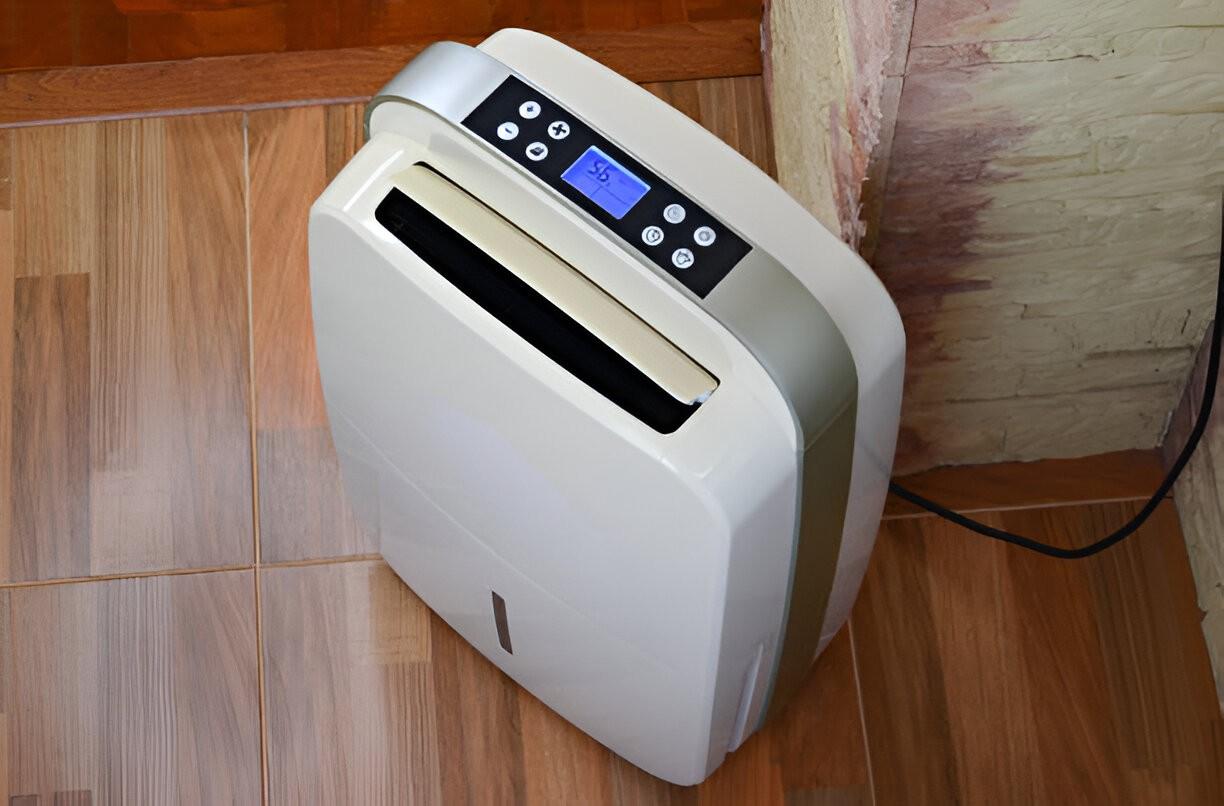
Why choose a whole house dehumidifier in Orinda homes
- Whole-house coverage: Controls humidity throughout the living space and connected areas (attics and conditioned crawlspaces when integrated), not just one room like a portable unit.
- Consistent target humidity: Keeps relative humidity (RH) in the recommended 40 to 50 percent range, reducing mold growth risk and improving comfort without overcooling.
- Better for older and hill-area homes: Many Orinda properties have shaded foundations, crawlspaces, or limited attic ventilation where moisture collects. A whole-home system addresses these issues more reliably.
- Quieter and more energy-competitive: Properly sized whole-house units run more quietly and can be more energy-efficient per square foot than multiple portable machines.
Common whole-house dehumidifier issues in Orinda
- Insufficient dehumidification: Often caused by an undersized unit, leaky ducts, or inadequate airflow.
- Frequent cycling or short runs: May indicate oversized equipment, incorrect control settings, or mismatched integration with the HVAC system.
- Condensate leaks or backups: Clogged drains, improper slope, or failing condensate pumps.
- Persistent musty odors: Mold in ductwork, attics, or the dehumidifier’s drain pan.
- Higher-than-expected energy use: Oversizing, old controls, or inefficient models without variable-speed features.
When a whole-home dehumidifier is preferred over portable units
- Whole-house comfort and health are goals — you notice humidity problems in multiple rooms, closets, or your crawlspace.
- You have recurring mold, condensation on windows, peeling paint, or warped wood.
- Your home uses central HVAC and you want integrated control that works with existing airflow.
- You prefer a low-maintenance, out-of-sight solution that doesn’t rely on emptying buckets or frequent relocation.
Sizing and placement: ducted vs standalone
- Sizing basics: Professionals size units by home volume, number of occupants, sources of moisture (e.g., indoor plants, aquariums), and local climate impacts. In Orinda, shaded foundations and evening marine layer can require slightly higher capacity than a comparable square footage in a drier inland area.
- Capacity measure: Dehumidifier capacity is typically rated in pints per day or liters per day. Correct capacity prevents constant cycling or inability to reach target RH.
Ducted (integrated) systems:
- Install into the HVAC return plenum or near the air handler.
- Conditioned air passes through the dehumidifier and distributes dehumidified air house-wide.
- Best for whole-home coverage and seamless thermostat-based control.
Standalone (room/central non-ducted) units:
- Wall-mounted or closet-mounted in a mechanical room, sometimes ducted to multiple zones.
- Useful when integrating into existing ductwork is impractical.
- Still delivers whole-home benefit if connected to the return airflow or duct network.
Installation and integration with HVAC
- Placement near the air handler reduces duct runs and maximizes performance.
- Integration includes control wiring to existing thermostats or dedicated dehumidistats so the system can coordinate with AC and heat pump operation.
- Proper airflow is essential: return and supply flows must meet manufacturer recommendations to achieve rated dehumidification.
- Safety and code: Proper condensate drainage (gravity or pump), float switches, and accessible service panels are standard requirements.
- Seasonal coordination: In Orinda, systems should be set to work with both summer cooling and cooler, wetter months to avoid over-drying during dry winter spells.
Energy efficiency considerations
- Look for units with variable-speed compressors and fans; they adjust output to actual humidity load rather than running full blast.
- Proper sizing is more energy-efficient than oversizing. An oversized dehumidifier will short-cycle and waste power.
- Integration with the HVAC system can lower overall runtime because dehumidification performed in tandem with cooling is often more efficient.
- Consider units with smart controls that maintain RH without unnecessary runtime and can adapt to daily humidity patterns common to the Bay Area.
Maintenance and condensate management
- Regular tasks: Clean or replace intake filters, inspect coils and pans, and clear drain lines to prevent algae or scale buildup.
- Drain options: Gravity drain to existing condensate lines, or a condensate pump for higher installations. Pumps should have a reliable float switch and accessible service access.
- Annual inspection: Verify controls, electrical connections, condensate piping integrity, and calibration of the dehumidistat.
- Preventive measures: Keep ducts sealed and insulated, and remove sources of excess moisture (leaky plumbing, poor ventilation in bathrooms/kitchens).
Common diagnostics and fixes
- If humidity never reaches target: Verify unit capacity vs. home volume, check duct leakage, and confirm airflow and return placement.
- If system cycles too often: Re-assess sizing, check control settings, and ensure dehumidistat is mounted in a representative location, not near supply vents or sunlit walls.
- If there’s water on the floor or frequent pump runs: Inspect and clean drain lines, test pump operation, and check float switch function.
- If odors persist after installation: Inspect ductwork, attic, crawlspace, and the dehumidifier’s drain pan for microbial growth and remediate as needed.
Expected outcomes after proper installation in Orinda
- Lower indoor relative humidity consistently in the 40 to 50 percent range.
- Reduced risk of mold and mildew growth in closets, bathrooms, and crawlspaces common to Orinda’s older homes and shaded lots.
- Fewer condensation problems on windows and cooler, more comfortable indoor air without running excessive AC.
- Improved indoor air quality with fewer dust mites and allergen triggers.
- Longer life for wood floors, cabinetry, and painted surfaces thanks to stabilized moisture levels.
Practical tips for Orinda homeowners
- Target RH 40 to 50 percent year-round; adjust seasonally to avoid over-drying in winter.
- Address visible sources of moisture first—roof leaks, plumbing, and poor crawlspace ventilation—then use whole-house dehumidification to control ambient humidity.
- Pair dehumidification with filtration or ventilation upgrades for comprehensive indoor air quality improvements, especially during Bay Area wildfire season when particle control may be a separate concern.
- Schedule annual service and pre-summer checks to ensure the system runs efficiently through Orinda’s warm and occasionally humid months.
A properly specified and installed whole house dehumidifier offers Orinda homes a durable solution to moisture-related problems. When sized and integrated correctly with your existing HVAC and drainage systems, it delivers measurable comfort, protects your home’s structure, and improves indoor air quality across all seasons.
Service Areas

