


Whole House Dehumidifiers in Burlingame, CA

Whole House Dehumidifiers in Burlingame, CA
High humidity at home can really affect your comfort, encourage mold and mildew, and even speed up wear and tear on your wood floors, cabinetry, and electronics. In Burlingame, CA, the coastal fog and Bay influence indoor moisture levels more than many residents realize. That's where whole-house dehumidifiers shine. They offer a centralized, highly efficient way to control relative humidity (RH) across every single room, safeguarding both your health and your home while significantly boosting comfort. Air Flow Pros is here to help you choose a system that perfectly fits your home.
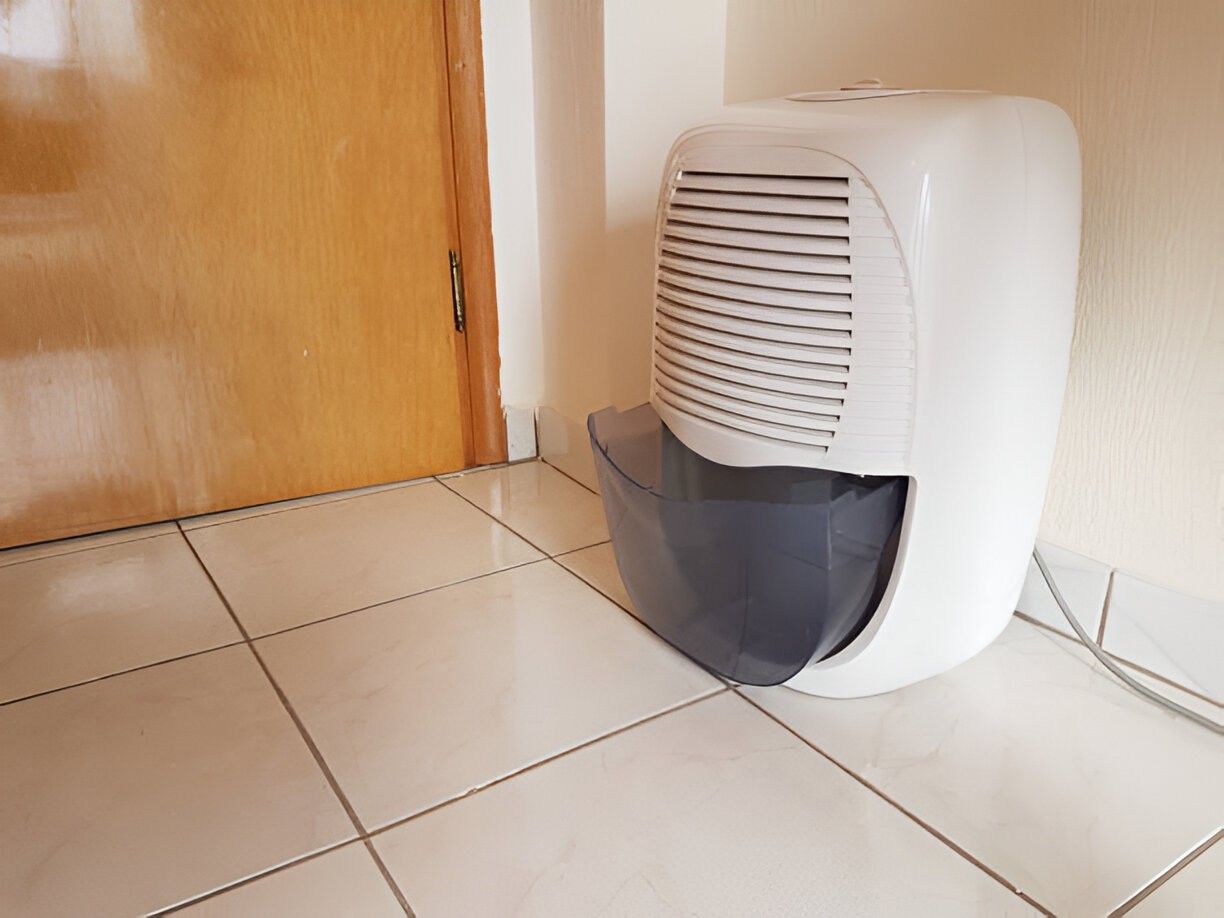
Why whole-house dehumidification matters for Burlingame homes
- Burlingame’s marine-influenced climate often brings elevated nighttime humidity and seasonal muggy periods. Even with moderate daytime temperatures, indoor RH can remain high.
- Older wood-frame homes and tightly sealed newer builds both have moisture vulnerabilities: older homes through wall and crawlspace intrusion, newer homes through reduced natural ventilation.
- Maintaining indoor RH in the recommended 40 to 50 percent range reduces mold risk, musty odors, condensation on windows, and the potential for structural or cosmetic damage.
Common whole-house dehumidifier issues in Burlingame
Homeowners who consider whole-house dehumidification commonly encounter these concerns:
- Uneven humidity from room to room, often due to duct or return placement.
- Short cycling or insufficient runtime when a unit is undersized for the home or moisture load.
- Condensate drain problems causing leaks or backups when gravity drains are not available.
- Compatibility problems when standalone dehumidifiers are not properly integrated with an existing HVAC system.
- Noise or energy use concerns with older, inefficient units.
Types of whole-house dehumidifiers
- Duct-mounted dehumidifiers: Installed in the return or supply ductwork and work with your central HVAC blower to remove moisture from conditioned air. Best for seamless integration and whole-home coverage.
- Stand-alone whole-house units: Larger self-contained systems that may be placed in mechanical rooms and ducted into the return. Useful where a duct-mounted option is not practical.
- Hybrid and heat-pump dehumidifiers: Use heat-pump technology to extract moisture efficiently, especially effective in moderate Bay Area temperatures.
- Desiccant dehumidifiers: Less common for homes, used in special high-moisture or low-temperature applications.
Determining correct capacity
Selecting the right capacity is critical to performance and efficiency.
- Whole-house dehumidifiers are commonly rated in pints per day. Typical residential units range broadly from about 70 to 200+ pints per day.
Capacity depends on:
- Home size and layout (square footage, number of levels).
- Moisture sources (occupants, cooking, showers, indoor plants, attached garages, crawlspaces).
- Local climate considerations in Burlingame such as coastal fog, evening humidity, and any nearby water intrusion risks.
- Target indoor RH for most Burlingame homes: 40 to 50 percent. Keeping RH below 60 percent is important to minimize mold risk.
- A professional assessment that measures RH in multiple locations and evaluates ductwork and airflow provides the most accurate sizing recommendation.
Integration with HVAC systems
- Duct-mounted units are designed to work with your HVAC blower and can be controlled by a dehumidistat or integrated into a smart thermostat for coordinated operation.
Proper integration ensures:
- Balanced airflow so the HVAC system does not lose efficiency.
- Coordinated control to prevent the air conditioner and dehumidifier from conflicting.
- Shared condensate management when possible, with proper slope or a condensate pump if needed.
- For homes with zoned systems, each zone’s humidity profile may require separate controls or a zoning-aware dehumidification strategy.
Installation overview
- Site selection: near return ducts or mechanical closets, with access to a drain line and a dedicated electrical circuit as required.
- Mechanical work: mounting to the duct, sealing joints, and ensuring adequate airflow and clearance for service.
- Drainage: gravity drain to an existing condensate line is ideal. If not possible, a condensate pump will be installed.
- Controls: installation of a dehumidistat or integration with the home thermostat; placement of sensors in representative living areas for accurate control.
- Permits and code: minor electrical or drainage modifications may require local permitting. Installers familiar with Burlingame and San Mateo County codes will ensure compliance.
Maintenance and troubleshooting
Regular maintenance maximizes performance and prevents failures.
Quarterly or biannual tasks:
- Clean or replace intake filters.
- Inspect condensate drain and clean the trap to prevent clogs.
- Check electrical connections and control operation.
Annual service:
- Coil cleaning, refrigerant level check on compressor-based units, and fan inspection.
- Calibration of dehumidistat or sensor placement verification.
Common symptoms and likely causes:
- Inadequate dehumidification: undersized unit, blocked airflow, dirty coil or filter.
- Continuous running without reducing RH: oversized ventilation, persistent moisture sources, or a failing compressor.
- Condensate leaks: clogged drain, improper drain slope, or pump failure.
Energy considerations
- Whole-house dehumidifiers add electrical load, but proper sizing and modern heat-pump models minimize energy consumption.
- In many cases, reducing indoor humidity can allow your air conditioner to run less aggressively, improving overall comfort with comparable or lower total energy use.
Look for energy-efficient features:
- Variable-speed blowers and compressors.
- Smart humidistat controls that maintain RH without unnecessary runtime.
- Energy Star or manufacturer efficiency ratings when available.
- In Burlingame’s mild climate, heat-pump dehumidifiers often offer favorable efficiency compared with older compressor-only designs.
Service, warranties, and ongoing care
- Manufacturer warranties typically cover major components such as the compressor and coils for a defined period; labor warranties vary by installer.
- Extended service agreements or annual maintenance plans protect system performance and may extend the useful life of the unit.
- Choose installation that documents serial numbers, warranty registration, and a clear maintenance schedule to ensure future warranty claims are supported.
Benefits recap and long-term considerations
A properly selected and installed whole-house dehumidifier in Burlingame:
- Improves comfort by stabilizing indoor humidity levels.
- Reduces mold and mildew risk in bathrooms, basements, crawlspaces, and wall cavities.
- Protects wood floors, furniture, and electronics from moisture damage.
- Can improve perceived cooling without lowering thermostat setpoints, supporting energy-conscious comfort strategies.
- Works best when combined with good ventilation practices, proper insulation, and routine HVAC maintenance.
Selecting the right whole-house dehumidification solution requires a room-by-room humidity assessment, sizing for your home’s moisture load, and professional integration with your HVAC. Proper installation and routine maintenance keep systems running efficiently and preserve your Burlingame home against moisture-related problems.
Service Areas

