


UV Light in South San Francisco, CA

UV Light in South San Francisco, CA
Worried about air quality in your South San Francisco home? UV light air purification is a smart solution designed to reduce bacteria, viruses, mold, and biofilm lurking inside your HVAC system. With cooler, foggy coastal air and occasional smoke events, South San Francisco homes often experience increased coil condensation and particulate buildup. A well-chosen and installed UV system can drastically cut down on HVAC-related microbial growth, boost your system's efficiency, and banish those musty odors. These systems not only improve your home's air but also give you peace of mind. Our experts at Air Flow Pros are ready to help you select and install a UV system that’s perfect for your home.
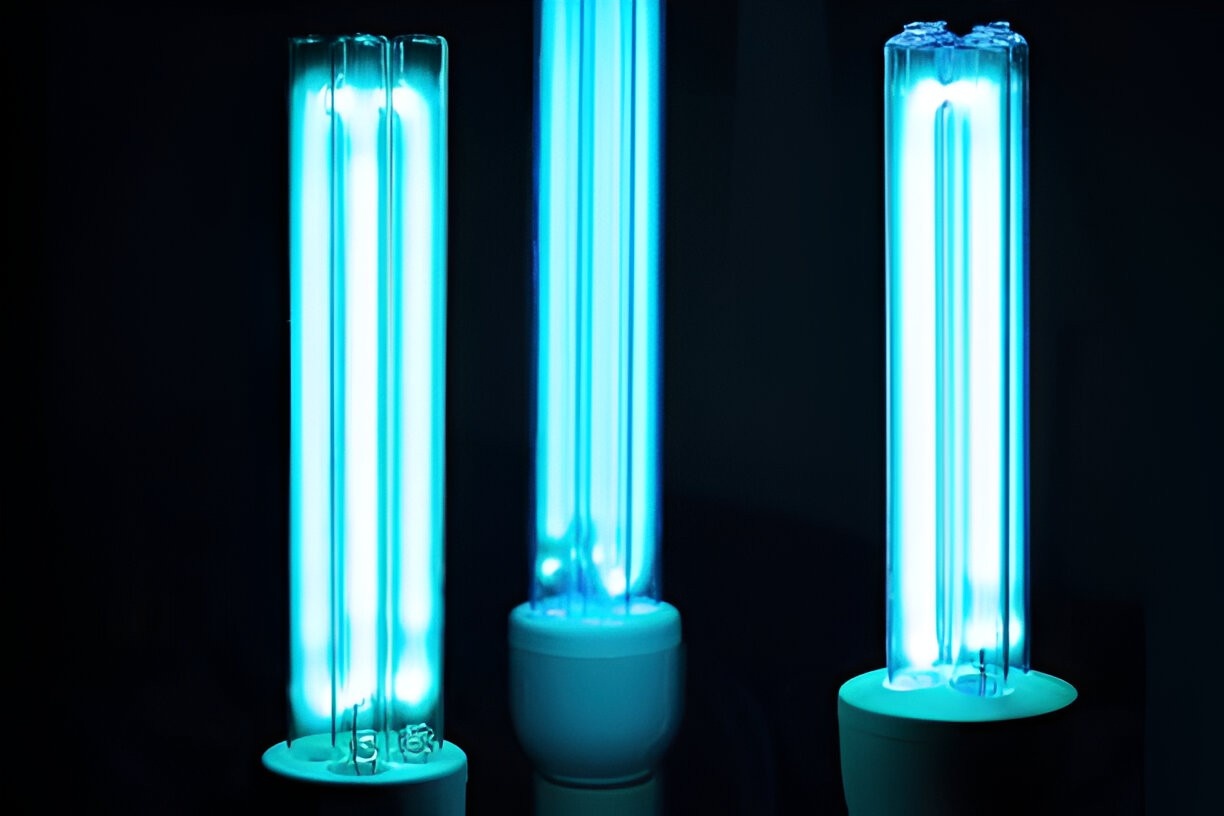
How UV light air purification works
- Germicidal UV-C radiation (primarily near 254 nm) damages the DNA or RNA of microorganisms, preventing replication and rendering bacteria, viruses and mold spores inactive.
- In HVAC applications the goal is twofold:
- Surface treatment: UV placed at the evaporator coil reduces mold and biofilm that accumulate on the coil and drain pan.
- Air treatment: In-duct UV systems treat airborne microbes passing through the ductwork.
- UV does not replace filtration or ventilation. It complements MERV filters, whole-house filtration and ventilation strategies by targeting biological contaminants that filters and filters alone may not eliminate on system surfaces.
Common problems UV light addresses in South San Francisco homes
- Mold and slime on evaporator coils that reduce heat transfer and airflow
- Recurring musty, damp odors from drain pans and ducts
- Elevated allergy or respiratory symptoms linked to microbial growth in the system
- Decreased cooling efficiency and higher energy use due to fouled coils
- Visible mold in ductwork or around supply registers
Types of UV lamps and typical placements
Coil-mounted UV (coil surface treatment)
- Mounted adjacent to the evaporator coil and drain pan to continuously inhibit microbial growth.
- Most effective at preventing coil fouling, odors and reducing maintenance.
In-duct UV (air-stream treatment)
- Installed inside return or supply ductwork to irradiate moving air and reduce airborne microbes.
- Best when used in tandem with coil-mounted units for both surface and air treatment.
Lamp technologies
- Low-pressure mercury lamps (standard UV-C, ~254 nm): Widely used, effective for germicidal use. Typically require annual replacement for optimal output.
- High-output (HO) mercury lamps: Higher intensity for larger systems; may have longer recommended replacement intervals but still require periodic service.
- UV-C LEDs: Emerging option with longer nominal life and no warm-up, but currently less output per emitter and higher upfront cost. Suitable for some duct installations.
- Pulsed xenon or broad-spectrum devices: Less common in residential HVAC; some produce ozone and require careful selection.
Expected indoor air quality improvements
- Noticeable reduction in musty odors originating from the coil and drain pan.
- Cleaner evaporator coils that restore heat transfer efficiency — which often improves cooling performance and can reduce energy use.
- Lower measurable microbial load on coil surfaces and reduced viable organisms in the airstream when paired with proper filtration.
- Reduction in HVAC-related triggers for allergy sufferers (though total symptom improvement depends on other indoor sources and ventilation).
- Important expectation setting: UV systems reduce microbial populations on system surfaces and in treated airstreams but are not a sterilizer for entire homes. Filtration, ventilation and source control remain essential.
Typical installation process
- System assessment: Technician inspects HVAC equipment, coil accessibility, duct layout and electrical capacity, and documents coil condition and indoor humidity factors.
- Recommendation and selection: Choose coil-mounted, in-duct, or combined system and lamp type sized for the unit and duct velocity.
- Installation:
- Mount lamp(s) securely near the coil or at specified duct locations.
- Install transformer/ballast and wiring per electrical codes; many designs draw low voltage from the HVAC control or a dedicated 120V/24V feed.
- Fit quartz sleeves or protective housings (if applicable) and ensure access panels are labeled.
- Commissioning includes verifying lamp operation, checking airflow and testing for proper coverage.
- Documentation: Installer records lamp type, location, installation date and any adjustments to system controls.
Maintenance and bulb replacement schedules
- Annual inspection recommended: Most residential UV-C mercury lamps lose effective output over the first 9–12 months; annual replacement maintains germicidal strength.
- High-output lamps: May be rated for longer intervals by manufacturer but should still be checked yearly.
- LED UV-C: Manufacturers commonly rate 2–5+ years; still perform annual visual and performance checks.
Routine maintenance tasks:
- Replace lamps per manufacturer schedule.
- Clean quartz sleeves or protective covers (dust and film reduce output).
- Inspect wiring, ballast/driver, and mounting hardware.
- Record lamp hours and verify intensity if a UV meter is used.
- A service agreement that includes annual lamp replacement and inspection is often the most reliable way to maintain effective UV performance.
Safety considerations
- UV-C is harmful to skin and eyes on direct exposure. Systems are designed to be enclosed; do not look directly at an operating lamp.
- Ozone: Choose ozone-free lamps (most low-pressure 254 nm lamps are ozone-free). Avoid lamps rated under 240 nm unless ozone generation is intentionally desired and properly ventilated.
- Access and shutoff: Installations should include clear labeling and power shutoff guidelines so technicians can safely service equipment.
- Occupant safety: Proper placement is key to ensure no direct occupant exposure in living spaces.
Compatibility with Trane systems and warranties
- UV systems are commonly compatible with Trane air handlers and furnaces when installed per Trane and UV manufacturer instructions.
To protect existing equipment warranties:
- Follow Trane installation guidelines and the UV manufacturer’s mounting and electrical instructions.
- Have installations performed by qualified HVAC technicians familiar with Trane systems.
- Document installation and maintain records of service and part numbers for warranty verification.
- Improper mounting or noncompliant electrical work can risk equipment performance; using trained service providers reduces that risk.
Recommended service agreements for South San Francisco customers
- An annual IAQ/UV maintenance plan should include:
- Yearly lamp replacement and sleeve cleaning.
- Coil and drain pan inspection and cleaning as needed.
- Verification of UV output and electrical checks.
- Seasonal system performance check to ensure combined benefits with filtration and HVAC tuning.
- Service agreements help maintain consistent UV intensity, protect HVAC efficiency, and align maintenance with warranty requirements.
Why UV light makes sense for South San Francisco homes
- Coastal fog and mild temperatures often increase coil condensation and the risk of microbial growth on coils and drain pans.
- Older housing stock and multifamily buildings can have legacy duct or coil issues where UV helps reduce recurring coil fouling and odors.
- Periodic smoke from regional wildfires increases particle and biological load on systems; UV + filtration provides a complementary approach to protect system cleanliness.
UV light air purification is a practical enhancement when you want to reduce HVAC-related microbial issues, improve coil longevity and reduce system odors. When selected and installed correctly — and supported by annual service and compatible with your Trane equipment per manufacturer guidance — UV systems provide measurable benefits to system performance and indoor air quality in South San Francisco homes.
Service Areas

