


UV Light in Santa Clara, CA

UV Light in Santa Clara, CA
Thinking about UV light for your Santa Clara home? It's a smart way to tackle those pesky biological contaminants that love to hang out in HVAC systems and your indoor air. With Santa Clara's mild climate, occasional coastal moisture, and even seasonal wildfire smoke, it's common for homeowners to deal with mold on evaporator coils or worry about bacteria and viruses circulating through their air. That's where whole-house UV lamps come in. Integrated right into your HVAC, they work at the source to keep your system cleaner and more efficient. Air Flow Pros is here to help you choose the perfect system that truly fits your home's needs.
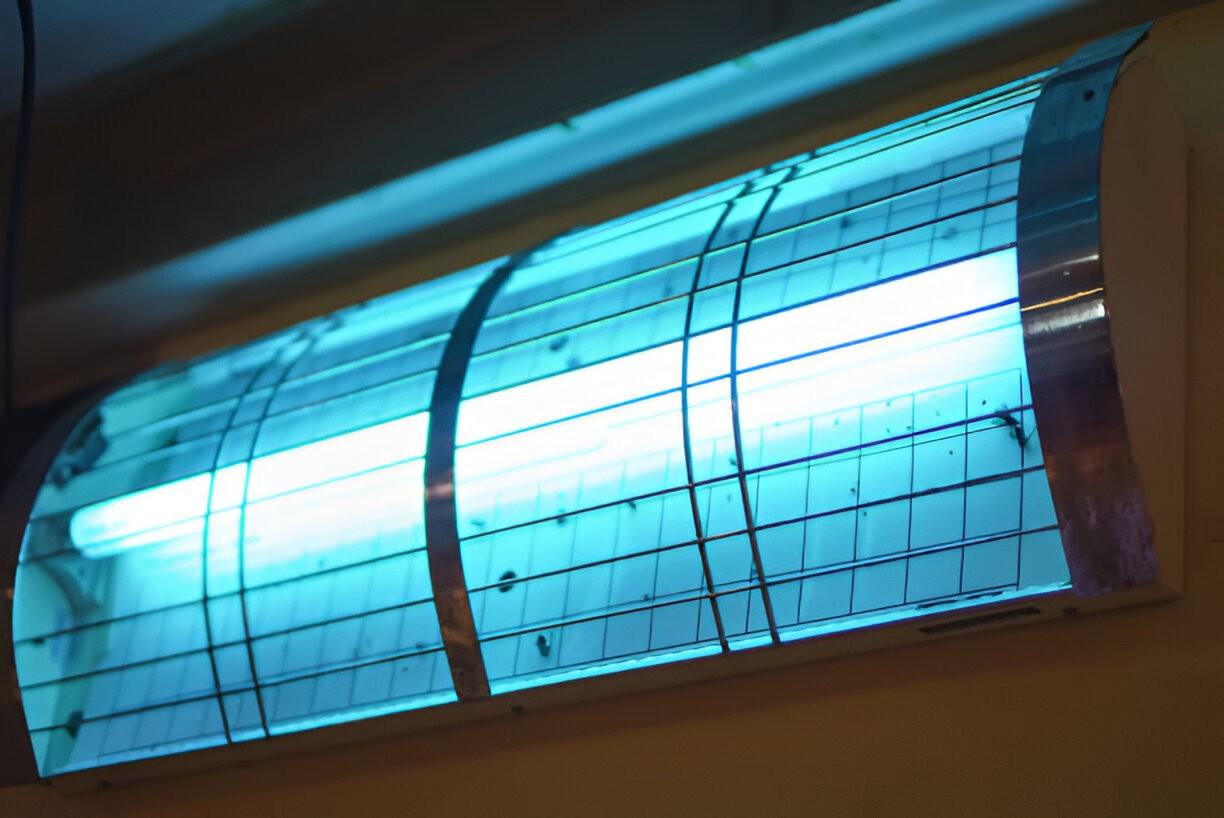
How whole-house UV lights work and what they reduce
- UV-C radiation (typically 254 nm) penetrates the cell walls of microorganisms and disrupts DNA or RNA, rendering bacteria, viruses, and mold unable to reproduce.
- Primary benefits occur where UV light hits surfaces or air streams: sterilizing evaporator coils (preventing biofilm), reducing microbial colonies on coil surfaces, and in some configurations reducing airborne microbes passing close to the lamp.
- What UV does not replace: UV is not a particulate filter. It complements filtration systems (MERV-rated filters or whole-house filters) and ventilation strategies. For Santa Clara homes affected by wildfire smoke, combine UV with high-efficiency filtration to address both biological and particulate issues.
UV technologies and how they differ
- Low-pressure mercury (254 nm) UV-C lamps: Most common for residential HVAC. Effective at surface sterilization and widely supported by manufacturers.
- Far-UVC (around 222 nm): Emerging technology that may have different safety profiles; primarily used in commercial or research settings currently.
- Pulsed xenon / broad-spectrum systems: Deliver intense, short bursts and are more common in specialized or commercial applications.
- Ozone-producing lamps (187 nm or mixed output): Can reduce some microbes but create ozone, which is not recommended for occupied residential spaces. Choose ozone-free certified products for homes.
Placement: coil-mounted vs in-duct (and pros/cons)
Coil-mounted UV (evaporator coil)
- Pros: Directly prevents mold and biofilm on the coil and drain pan, which restores airflow and heat transfer, improves dehumidification, and reduces allergic triggers. Best choice where visible coil contamination or recurring drain pan mold is the problem.
- Cons: Primarily addresses coil and nearby surfaces; less effective for disinfecting the whole airstream unless combined with in-duct lamps.
In-duct UV (airstream treatment)
- Pros: Installed inside supply or return ducts to irradiate moving air; helpful when airborne pathogen reduction is a priority. Multiple lamps or higher-intensity units are needed for larger ducts or higher airflow.
- Cons: Effectiveness depends on dwell time and intensity—fast-moving air reduces exposure time, so sizing is critical.
Combined approaches: Many homeowners choose a coil-mounted lamp plus an in-duct lamp for comprehensive coverage—coil protection plus added airborne reduction.
Expected effectiveness and realistic outcomes
- Coil sanitation: UV lamps significantly reduce mold and bacterial growth on coils and drain pans, often preventing recurring fouling and the musty odors that come with it. This tends to restore HVAC efficiency and reduce the need for frequent chemical coil cleaning.
- Airborne reduction: Results vary. UV can reduce concentrations of susceptible airborne organisms when designed for adequate intensity and exposure time, but it does not eliminate all airborne risks. Proper filtration and ventilation remain essential.
- Operational benefits: Cleaner coils and drain pans reduce pressure drop across the coil, which can help maintain system efficiency and reduce strain on the blower motor.
Maintenance and routine replacement
- Lamp replacement: UV lamp output declines over time. Most residential UV-C lamps should be replaced about every 9 to 12 months to maintain effective irradiance. Some longer-life bulbs exist, but annual replacement is common industry practice.
- Cleaning: Quartz sleeves or lamp housings should be checked and cleaned every 6 to 12 months because dust or film can block UV transmission. Homes in Santa Clara with seasonal dust or smoke will benefit from more frequent inspections.
- Annual check during HVAC tune-up: Include lamp operation verification, ballast/power supply inspection, and sleeve cleaning as part of regular HVAC service. Some systems include indicator lights or remote monitoring to confirm lamp operation between service visits.
Safety considerations
- Direct exposure hazard: UV-C is harmful to skin and eyes. Lamps should be installed so occupants are not exposed during operation. All service work should be done with power off and with appropriate protection.
- Ozone concerns: Avoid ozone-producing UV lamps for occupied residential use. Ask about ozone-free certifications when considering products.
- Electrical and mounting safety: Lamps and ballasts must be installed to electrical code. Improper wiring or insecure mounts increase risk of failure or injury.
Compatibility with existing HVAC equipment
- Most forced-air systems: UV systems are compatible with air handlers, furnaces, and split systems, but space constraints around the coil or duct may affect placement.
- Older or compact units: May require alternate mounting solutions (remote ballasts, low-profile fixtures, or in-duct placements).
- Zoned systems and multiple air handlers: Each air handler or zone may need its own UV source to be fully effective.
- Integration with controls: UV can be wired to run whenever the air handler runs or continuously if required. Discuss control options based on priorities like energy use and pathogen reduction.
Warranty and service expectations
- Manufacturer warranties: Typically cover lamp or module defects and may range from one to several years depending on the product. Check lamp life and warranty terms for replacement coverage.
- Installer/service warranties: Many installers offer labor warranties for correct installation and may include follow-up inspection periods. Confirm what is covered and the duration before installation.
- Service plans: Ongoing maintenance plans that include lamp replacement and annual checks help ensure performance and protect warranty compliance.
Typical installation process and scheduling overview
- Assessment: A technician inspects the air handler, coil accessibility, duct layout, and filtration setup to recommend coil-mounted, in-duct, or combined solutions.
- Proposal: Based on system size and goals (coil cleaning vs airborne reduction), a custom solution is proposed with recommended lamp types, mounting locations, and maintenance intervals.
- Installation: Installation usually requires an experienced HVAC technician, local code-compliant electrical connection, and 1 to a few hours on-site depending on scope. For multi-unit or complex ductwork, allow more time. Permits are rarely required for typical UV lamp installs, but installers will follow local electrical codes.
- Follow-up: After installation, verify lamp operation and discuss the maintenance schedule, replacement lamp sourcing, and any monitoring options.
Why Santa Clara homeowners choose whole-house UV
- Reduces recurring mold and musty odors in humid or fog-prone periods.
- Helps protect HVAC components from microbial fouling, preserving efficiency in a market where energy and equipment longevity matter.
- Complements filtration strategies needed during seasonal smoke events.
- Provides a continuous, low-maintenance layer of biological control when paired with annual lamp replacement and routine HVAC service.
For homeowners in Santa Clara looking to reduce biological contamination on coils and add another layer of indoor air protection, whole-house UV is a practical, proven option when specified and maintained correctly. Integrating UV with proper filtration, ventilation, and routine maintenance delivers the best long-term air quality and system performance.
Service Areas

