


UV Light in Lafayette, CA

UV Light in Lafayette, CA
UV light offers a low-impact, targeted way to boost indoor air quality and keep your HVAC running smoothly in Lafayette, CA homes. With those cool, damp mornings in the hills and the added stress of seasonal wildfire smoke, it’s common for Lafayette homeowners to deal with moldy coils, musty odors, and extra strain on air handlers. In-duct and coil-mounted UV-C systems cut down on microbial growth inside your ductwork and on the evaporator coil, so your air stays fresher and your equipment stays cleaner. Air Flow Pros can walk you through your options and make sure you get a system that truly fits your home—because Air Flow Pros believes healthier air starts with the right setup.
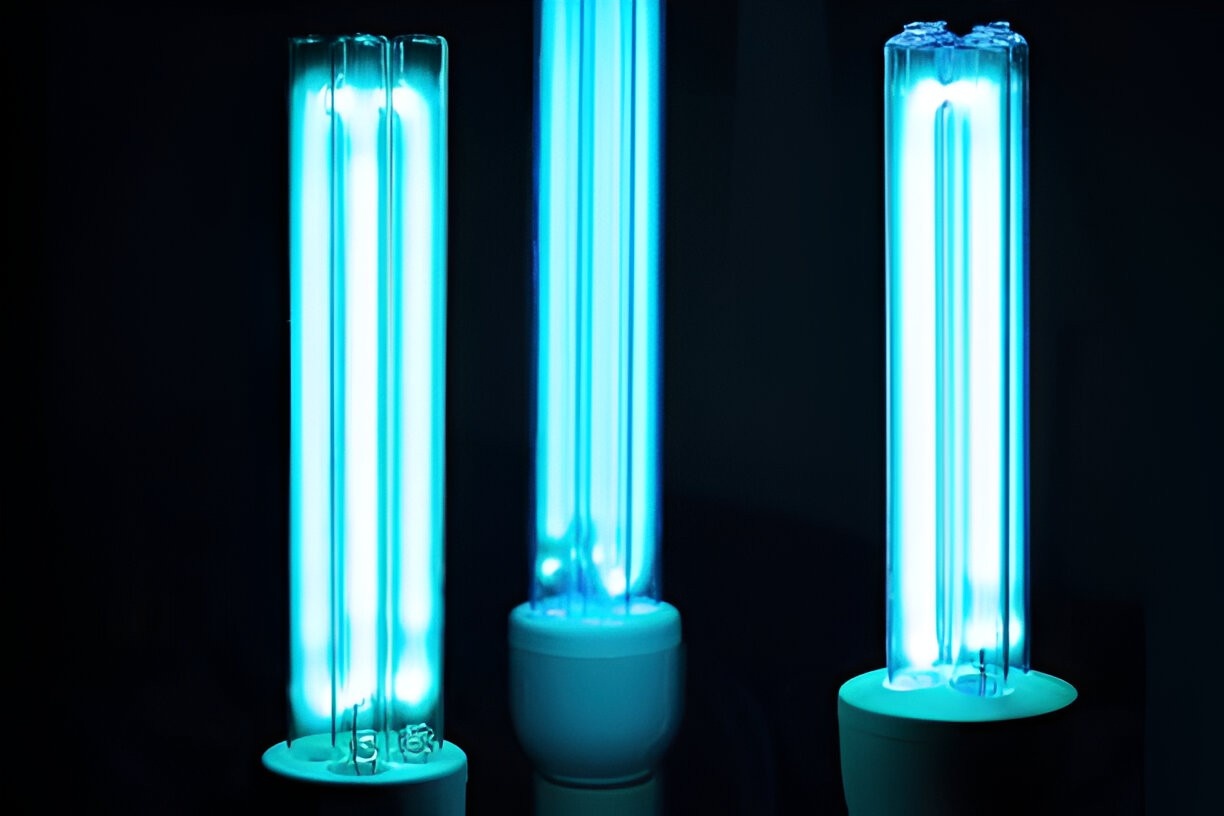
How UV-C Works and where it’s installed
UV-C is a short-wave ultraviolet band that inactivates mold, bacteria and many viruses at the surface level. In HVAC applications the two common placements are:
- Coil-mounted UV-C: Lamps mounted just above the indoor evaporator coil and drain pan to continuously irradiate the coil surface. This is the most effective location for preventing coil fouling and associated mold odors.
- In-duct UV-C: Lamps mounted inside supply or return ducts to reduce airborne microbial load as air passes the lamp(s). In-duct units are useful when a coil installation isn’t practical or to supplement coil-mounted systems.
Both styles are designed to operate while the furnace or air handler runs. Lamps are typically enclosed or positioned to prevent occupant exposure.
Common UV-C issues Lafayette homeowners experience
- Visible mold or black staining on the evaporator coil or drain pan
- Musty, mildew-like odors when the AC runs after cool, foggy nights
- Reduced airflow, higher runtime, and uneven cooling tied to biofilm buildup
- Concerns about indoor air during wildfire season and wanting an extra layer of microbial control
- Older ductwork or split systems where regular coil cleaning is difficult
Diagnostic and selection process
A professional assessment identifies the best UV solution for your Lafayette home. Typical diagnostic steps:
- Inspect the air handler, evaporator coil, drain pan, and duct layout.
- Measure available mounting space, distance from coil, and existing electrical access.
- Evaluate system compatibility with major brands (Trane, Carrier, Lennox, Rheem, Goodman, Bryant, York, Daikin and others), and with packaged rooftop or split systems.
- Recommend coil-mounted, in-duct, or a combined approach based on coil condition, occupancy patterns, and IAQ goals.
Installation steps (what to expect)
- Access the air handler or duct section and confirm safe, workable mounting locations.
- Mount lamp fixtures and brackets above the coil or inside the duct using UV-rated hardware.
- Provide electrical connection: many systems connect to 120V/240V or use a low-voltage transformer tied into the air handler controls; installers will follow NEC and manufacturer wiring specs.
- Install shielding, safety labels, and any interlocks or shutoffs required to prevent direct exposure during service.
- Run an initial functional test and show owners the installed location and recommended maintenance schedule.
Installation is performed by licensed HVAC technicians to ensure proper placement, safety and code compliance.
Performance expectations
When properly specified and installed, HVAC UV-C typically:
- Significantly reduces surface mold and biofilm on coils and drain pans, improving airflow and heat exchange.
- Reduces musty odors caused by microbial growth in weeks after installation.
- Lowers maintenance needs by keeping coils cleaner between professional cleanings.
- Contributes to improved indoor air comfort when used alongside filtration and ventilation strategies.
Results depend on lamp positioning, run-time, system condition and building humidity. UV-C treats surfaces and short-range airborne contaminants; it is most effective as part of a layered indoor air quality approach (filtration, ventilation, humidity control).
Maintenance and replacement schedule
UV systems require routine service to maintain effectiveness:
- Lamp replacement: Most low-pressure UV-C lamps lose output after ~9–12 months and should be replaced annually.
- Fixture inspection: At each service, inspect lamp alignment, ballast/driver operation and mounting hardware.
- Quartz sleeve cleaning (if applicable): Some systems use sleeves that should be cleaned when dusty to maintain output.
- Performance checks: Technicians can measure UV output and verify system run-time and electrical integrity.
Service agreements commonly bundle annual lamp replacement and inspections to ensure continuous performance without guesswork.
Safety and regulatory considerations
- Direct UV-C exposure is harmful to skin and eyes. Proper installations confine UV radiation inside the duct or air handler and include labels and service warnings.
- Choose ozone-free, HVAC-rated UV-C lamps to avoid ozone generation. Installers will recommend lamps designed for air-handling systems.
- Electrical work must comply with local electrical and building codes. Lafayette homes in older neighborhoods may require careful routing to meet current standards.
- Technicians should document fixture placement and perform safety verifications after installation.
Energy use and system impact
UV-C lamps are low-wattage devices, typically drawing between 15 and 50 watts per lamp depending on model. That small increase in electrical use is often offset by:
- Restored coil efficiency that reduces compressor and blower runtime
- Fewer emergency cleanings and repairs related to mold-induced corrosion or clogging
Overall, UV-C is a low-energy investment compared with HVAC replacement and can extend component life by preventing biological fouling.
Compatibility and warranty/service options
- UV-C kits are compatible with common residential systems including Trane, Carrier, Lennox, Rheem and others. Most manufacturers and aftermarket suppliers offer model-specific or universal mounting options for split systems, package units and rooftop equipment.
- Typical manufacturer warranties cover fixtures and electronic drivers for 1–5 years; lamps often carry a shorter warranty. Check product documentation for specifics.
- Service agreements can include annual lamp replacement, seasonal inspections, priority service and discounted repairs—helping Lafayette homeowners budget for continuous IAQ protection.
Service Areas

