


UV Light in Fremont, CA

UV Light in Fremont, CA
UV light systems offer a targeted, proven approach to boosting indoor air quality and HVAC performance in your Fremont, CA home. You can choose a whole-home UV germicidal system mounted in the return duct or a coil-focused in-duct lamp positioned to stop microbial growth on your evaporator coil. Either way, UV-C technology knocks down bacteria, mold, and viruses on HVAC surfaces and in the air moving through your system. Dealing with seasonal wildfire smoke, Bay Area humidity swings, or musty odors in an older home? UV light systems work alongside your filtration and ventilation to deliver cleaner, healthier indoor air. Air Flow Pros can help you find the right setup for your space.
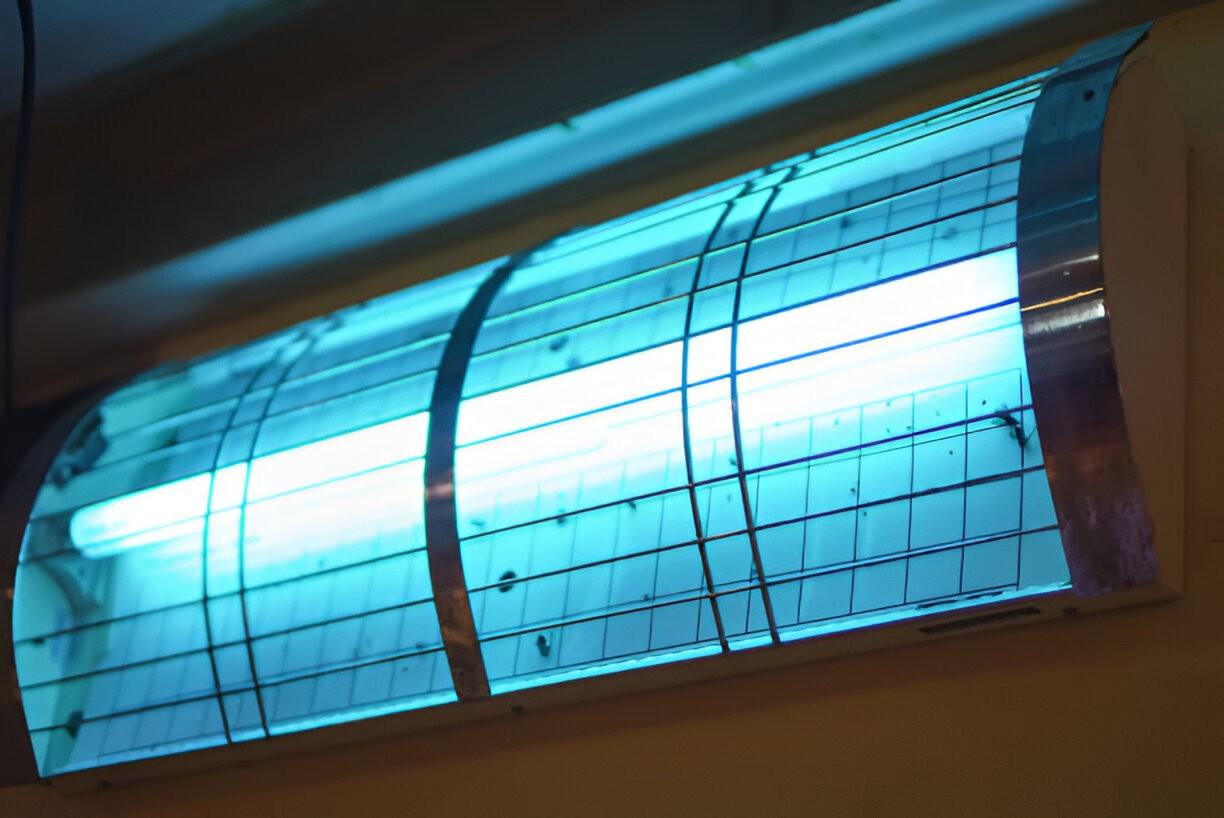
Common UV system types and why Fremont homes choose them
- Whole-home in-duct UV germicidal lights: Installed inside main duct runs to treat air moving through the system. Best for homes where airborne microbial control across all rooms is a priority.
- Coil-mounted UV lights: Placed above or beside the evaporator coil to prevent biofilm and mold that reduce efficiency and create musty odors. Especially useful in homes with attic or closet HVAC units where condensation encourages growth.
- Upper-room or standalone UV units: Used selectively in commercial or specialty residential spaces. Less common for whole-home solutions.
Fremont-specific reasons to consider UV-C:
- Wildfire smoke increases particulate and microbial-laden air intrusions; UV helps neutralize viable microbes while filters capture particles.
- Bay Area humidity and temperature variability can create conditions for coil and duct mold growth in older or poorly sealed systems.
- Many Fremont homes have retrofitted ductwork or tight building envelopes where in-duct microbial control prevents recurring HVAC contamination.
How UV germicidal lights work (in practical terms)
UV-C light (typically in the 254 nm range) inactivates microorganisms by damaging their DNA or RNA, preventing replication. In HVAC applications:
- Coil-mounted units continuously expose the evaporator coil and adjacent surfaces to UV-C, reducing biofilm that impairs heat transfer and fosters odors.
- In-duct lamps irradiate air as it passes, lowering viable microbial counts that would otherwise circulate.
- UV does not remove dust or particles; it is most effective as part of a layered IAQ strategy that includes particle filtration and proper ventilation.
Diagnosing the need for UV in your HVAC
Look for these common indicators in Fremont homes:
- Persistent musty or moldy odors when the system runs
- Visible mold or greasy biofilm on the evaporator coil or duct openings
- Declining cooling efficiency or frequent icing/short cycles caused by restricted heat transfer
- Recurring allergies or upper respiratory irritation not resolved by filtration alone
- If you notice multiple signs, a professional inspection will confirm whether a coil-mounted lamp, in-duct system, or both are the right fit.
Typical installation process
- System assessment: Technician inspects the HVAC layout, coil access, duct geometry, and electrical capacity to determine optimal lamp type and placement.
- Sizing and selection: Choose lamp intensity and quantity based on airflow, duct cross-section, and desired log reduction for microbes.
- Mounting and wiring: In-duct and coil units are mounted securely with ballast or LED drivers installed per electrical code. Timers or HVAC interlocks are often included so lamps operate safely with the system.
- Safety measures: Proper installation ensures no direct UV exposure to occupants. Ozone-generating lamps are avoided or specified only when required; most modern germicidal lamps are ozone-free.
- Verification: Technicians confirm lamp output and inspect for light leaks or improper placement that would reduce efficacy.
Maintenance and bulb replacement
- Bulb replacement: Traditional mercury UV-C lamps lose germicidal output over time. Industry practice is to replace these lamps annually to maintain rated performance. Newer UV-C LED modules may have longer service lives; replacement intervals vary by product.
- Quartz sleeve and mounting cleaning: Dust and condensation on sleeves reduce output. Annual cleaning or as-needed wiping during replacements keeps intensity high.
- Ballast and driver checks: Electrical components are inspected for wear and proper operation during routine service.
- Performance checks: Periodic output testing or visual inspections verify the system is operating at the intended level.
Compatibility with existing HVAC equipment
- Most central forced-air systems can accommodate in-duct or coil-mounted UV units, but access and electrical capacity determine feasibility.
- Systems with poorly accessible coils (tight attic installs or compact cabinet units) may require duct-mounted alternatives.
- UV is complementary to high-efficiency filtration, humidification, and ventilation measures; it is not a replacement for adequate filtration or fresh-air strategies.
- Properly specified UV systems will not harm coils or common HVAC materials when installed as intended and maintained.
Expected indoor air quality and health benefits
- Reduced microbial growth on coils and ducts leads to fewer musty odors and improved system efficiency.
- Decreased viable airborne microbes can lower exposure to certain bacteria, mold spores, and some viruses, contributing to better respiratory comfort for occupants.
- When combined with upgraded filters and ventilation, UV systems help create a multi-layered IAQ approach that is more resilient during wildfire smoke events or seasonal allergen spikes.
Warranty and service options
- Manufacturer warranties commonly cover lamp and ballast defects for a limited period; installation warranties cover workmanship for a defined term. Warranty lengths vary by product and installer.
- Service plans typically offer annual inspections, bulb replacement, sleeve cleaning, and output verification. These plans help maintain manufacturer-recommended schedules and extend system life.
- Ask about documented maintenance intervals and what is included in any service agreement before installation to ensure long-term performance.
Typical costs and financing (Fremont market context)
- UV system cost varies based on system type (coil-mounted vs in-duct), number of lamps required, and installer labor. Local factors in Fremont—access difficulty, additional electrical work, or retrofitting older duct runs—can affect installation complexity.
- Many homeowners finance IAQ upgrades through HVAC financing programs, home improvement loans, or by combining UV installation with other system upgrades under a single financing plan. Financing availability and terms differ by provider and product.
- UV-C systems are most effective as part of a layered strategy that includes quality filtration, proper ventilation, and routine HVAC maintenance.
- Annual professional inspections and scheduled bulb replacements keep germicidal output consistent and protect your HVAC investment.
- For Fremont homes affected by seasonal smoke, mildew-prone attics, or older ductwork, adding a UV germicidal system can reduce recurring contamination and improve comfort without replacing existing equipment.
UV light in Fremont, CA offers a targeted, technician-installed solution to microbial contamination and related IAQ concerns. When matched to your home’s HVAC layout and maintained on a recommended schedule, UV systems help preserve system efficiency and contribute to a healthier indoor environment.
Service Areas

