


Thermostat Repair in Mill Valley, CA

Thermostat Repair in Mill Valley, CA
Keeping your thermostat accurate and reliable is essential for comfort, energy savings, and protecting HVAC equipment in Mill Valley homes. Whether you have an older mechanical thermostat or a modern smart controller, thermostat problems can cause uneven temperatures, high energy bills, or system cycling that leads to premature wear. Air Flow Pros can help you choose a system that fits your home.
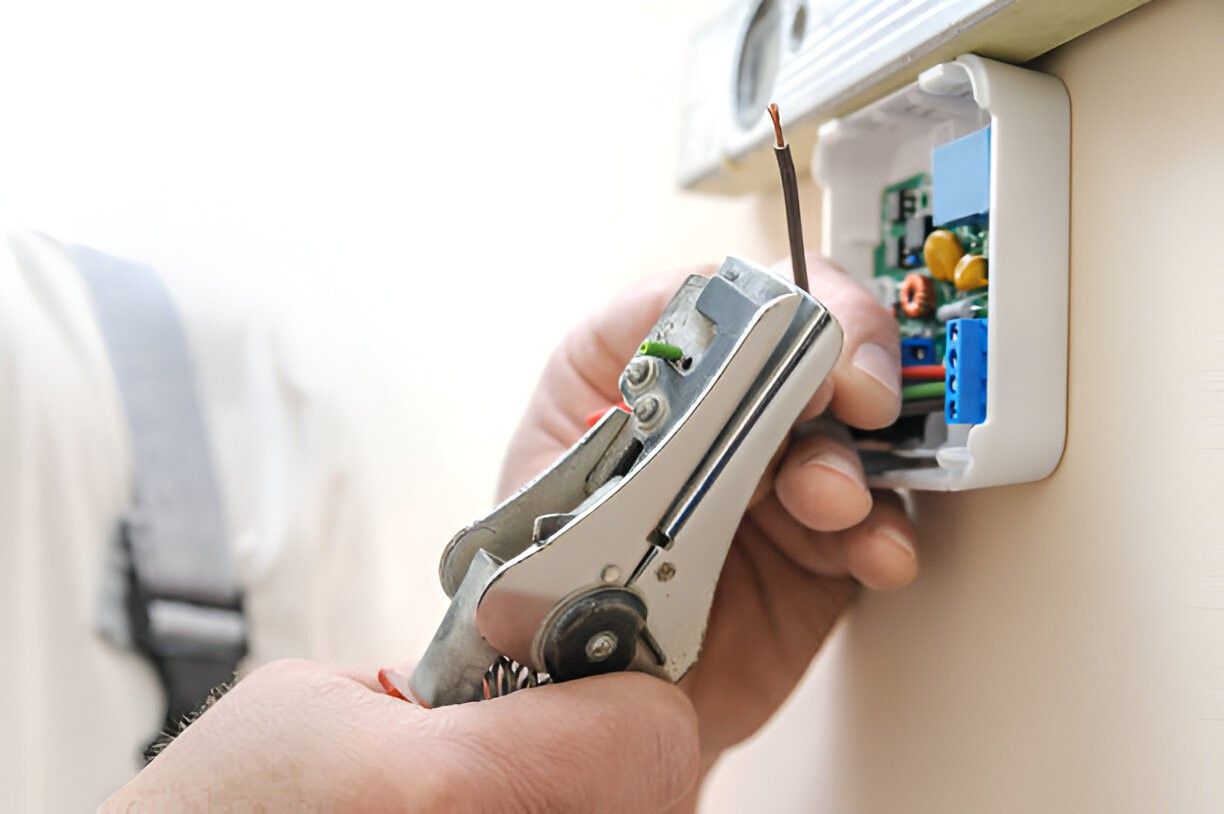
Why Mill Valley homes need timely thermostat service
Mill Valley’s coastal climate, frequent fog, and humidity swings can accelerate corrosion of wiring and components in wall-mounted thermostats and legacy control systems. Many homes here are older or have been retrofitted with new HVAC equipment, which increases the chance of compatibility or wiring problems. Accurate thermostat performance also matters where homeowners use zoning or smart thermostats to manage comfort across hills, valleys, and microclimates unique to the area.
Common thermostat problems in Mill Valley
- Incorrect temperature readings or calibration drift: Thermostats reading a different temp than the room cause overcooling or overheating.
- Wiring faults: Loose, corroded, or miswired thermostat wires from moisture, rodent damage, or past DIY work.
- Sensor failures: Internal or remote sensors that fail or read incorrectly, especially in multi-zone or ductless systems.
- Display or power issues: Blank screens, loss of Wi Fi connection on smart thermostats, or intermittent power due to C wire problems.
- Short cycling or system not responding: Thermostat signals not reaching the air handler or furnace because of relay or communication faults.
- Erratic behavior after upgrades: Compatibility issues after replacing equipment or installing new controls without proper configuration.
What a thermostat diagnostic includes
Technicians follow a systematic approach to pinpoint the issue and recommend the best solution. Typical diagnostic steps:
- Visual inspection of the thermostat, wall plate, wiring and nearby equipment for corrosion, water stains, or damage.
- Verify temperature accuracy by comparing the thermostat reading to a calibrated thermometer and checking sensor locations.
- Check wiring and connections at the thermostat and the equipment control board for continuity, voltage, and correct terminal mapping.
- Test thermostat outputs and relay functions to ensure commands reach the HVAC system.
- Review settings and programming, including schedule, heat anticipator (if present), and advanced smart features that can affect operation.
- Network and software checks for Wi Fi thermostats: firmware, account pairing, and cloud connectivity.
- Functional run test to observe system response through heating and cooling cycles and detect short cycling or delays.
Technicians explain findings in plain language, identify whether parts can be repaired, and provide clear pros and cons for replacement.
Repair vs replacement: how to decide
Consider these factors when deciding between repairing your existing thermostat or replacing it:
- Age and model: Mechanical or early digital thermostats older than 10 years often lack accuracy and features. New smart thermostats offer better control and efficiency.
- Cost and availability of parts: Minor fixes like recalibration, cleaning, or replacing a sensor are cost effective. Extensive wiring repairs, or failed circuit boards, may make replacement more economical.
- Compatibility with HVAC equipment: If you have a modern heat pump, multi-stage furnace, or zoning system, a compatible thermostat may be required for proper performance.
- Energy savings and features desired: Upgrading to a programmable or smart thermostat can reduce bills and improve comfort, especially in Mill Valley where homes may have varied occupancy patterns.
- Reliability needs: For homeowners relying on precise temperature control for health or home-based work, replacement offers long term reliability.
Typical turnaround times
- Diagnostics: Most on-site diagnostics are completed in 30 to 90 minutes, depending on system complexity.
- Minor repairs: Calibration, sensor replacement, or tightening/cleaning connections are often completed during the initial visit.
- Major repairs or wiring work: If new wiring, control board access, or parts ordering is required, repairs may take 1 to 3 business days.
- Thermostat replacement and setup: Installing a new thermostat and configuring for smart home integration commonly takes 1 to 2 hours, plus any needed follow up for Wi Fi or zoning tuning.
Emergency service options
Thermostat failure can leave a home uncomfortably hot or cold. Emergency options generally include after hours diagnostics and temporary fixes to restore basic control while a permanent solution is scheduled. For homes with vulnerable occupants or critical equipment (pets, elderly family), prioritizing rapid response reduces health risks and potential damage.
Maintenance tips to extend thermostat life
- Keep the thermostat clean: Dust and debris inside the thermostat can affect sensors. Gently vacuum or use a soft brush on the faceplate periodically.
- Avoid direct sunlight and drafts: Install thermostats away from windows, doors, or vents that produce false readings. In Mill Valley, morning fog followed by sun can exaggerate temp swings.
- Check batteries yearly: For battery-powered models, replace batteries annually to prevent loss of settings.
- Verify network and firmware: For smart thermostats, keep firmware updated and periodically confirm Wi Fi connectivity.
- Inspect wiring during HVAC service: Ask the technician to check thermostat wiring during routine tune ups to catch corrosion or loose connections early.
- Use consistent settings: Excessive manual overrides and aggressive setpoint changes can lead to unnecessary cycling and wear.
Long term benefits of professional thermostat care
Proper thermostat repair and setup improves comfort, reduces utility bills, and extends the life of HVAC equipment by avoiding short cycling and improper run times. In Mill Valley, where climate can vary by neighborhood and many homes have unique wiring or older systems, professional diagnostics and correct installation ensure reliable, efficient control across the seasons.
If your thermostat is acting up, a careful diagnostic focused on calibration, wiring, and sensor health will reveal whether a straightforward repair or a modern replacement is the best path forward for your Mill Valley home.
Service Areas

