


Heating Installation in Mountainview, CA

Heating Installation in Mountainview, CA
Your new heating system is an important investment in your Mountainview, CA home's comfort, energy efficiency, and long-term value. For you, a correctly sized, code-compliant heating installation provides reliable warmth during cooler Bay Area nights, lower utility bills, and a system that integrates seamlessly with modern ventilation and indoor air quality upgrades. A comprehensive heating system installation process with Air Flow Pros covers everything: from the initial home assessment and load calculations to expert equipment selection (furnaces, heat pumps, ductless options), navigating permitting and code compliance, adhering to professional installation best practices, understanding warranty and financing considerations, and finally, thorough testing and commissioning for your peace of mind.
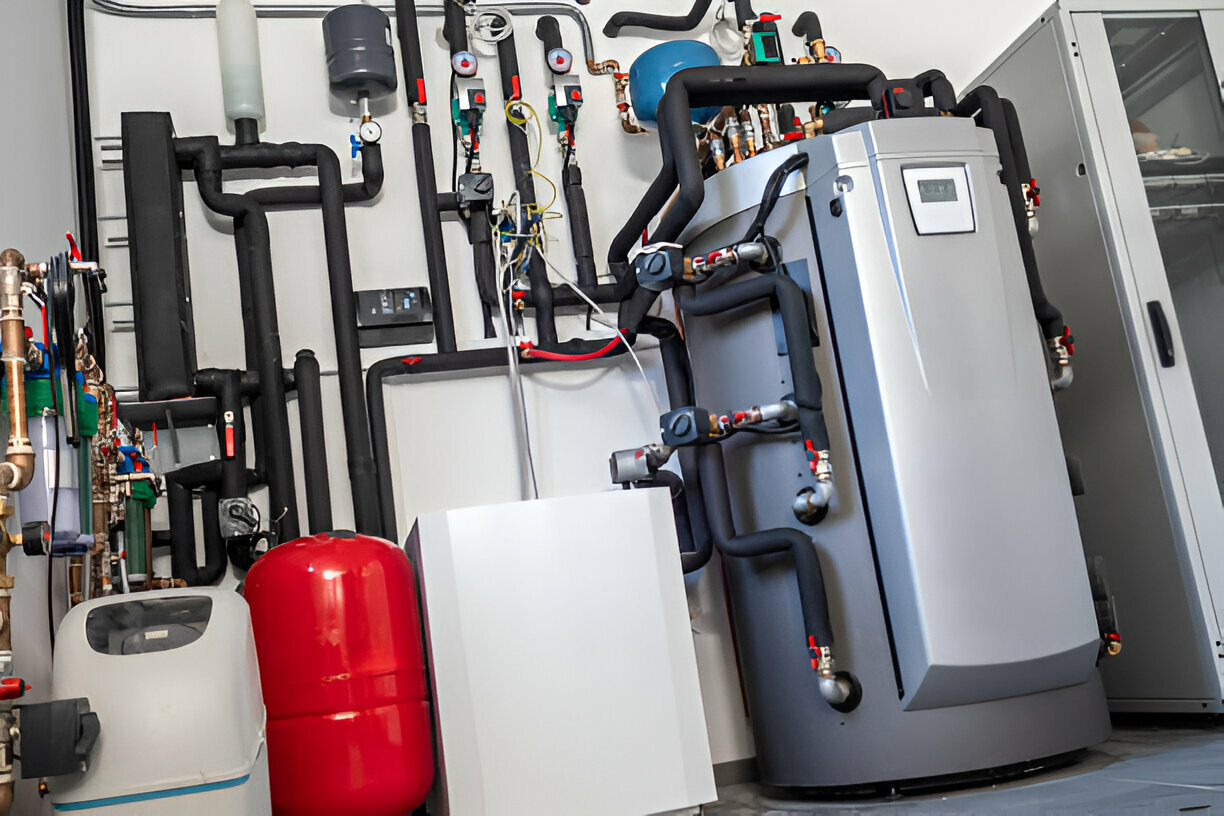
Why professional heating installation matters in Mountainview
Mountainview’s mild Mediterranean climate can mask the importance of proper sizing and installation. Undersized systems struggle on occasional cold snaps, while oversized equipment cycles frequently and wastes energy. Local priorities include maximizing efficiency to reduce PG&E bills and taking advantage of California’s growing focus on electrification and high-efficiency heat pump technology. A professional installation that follows industry standards protects comfort, indoor air quality, and system longevity.
Common heating needs and common heating installation issues in Mountainview
- Inconsistent heating between rooms due to duct leaks or poor zoning.
- Aging furnaces with declining efficiency and higher repair frequency.
- Desire to transition to electric heat pumps for lower emissions and better year-round efficiency.
- Tight California building codes and Title 24 energy requirements that affect equipment and controls.
- Small or multi-level homes that need ductless or multi-zone solutions rather than a single large system.
Understanding these local issues helps select the right solution for your home and prevents common installation mistakes like improper airflow, incorrect refrigerant charge, or inadequate venting.
Initial home assessment and load calculations
A precise installation starts with an in-home assessment and professional load calculation, commonly called Manual J sizing. This step evaluates:
- Square footage and room-by-room heat loss/gain.
- Construction type, insulation levels, window types, and orientation.
- Existing ductwork condition, layout, and airflow capacity.
- Occupant preferences and thermostat zoning needs.
Accurate load calculations prevent oversizing and ensure the selected furnace or heat pump will run efficiently under Mountainview conditions.
Equipment selection: furnaces, heat pumps, and ductless options
Equipment choice should match calculated loads, budget, and electrification goals.
Furnaces
- Modern high-efficiency gas furnaces can reach up to mid-90s AFUE and offer reliable heat for homes that remain gas-dependent. Look for variable-speed blowers and modulating burners to reduce short-cycling.
Heat pumps
- Cold-climate and standard heat pump models now deliver efficient heating in Bay Area temperatures and provide both heating and cooling in one system. Heat pumps support electrification goals and often qualify for energy incentives.
Ductless mini-splits
- Ideal for homes without existing ducts, additions, or multi-zone control. Ductless systems provide room-by-room temperature control and high seasonal efficiency.
Brand and model considerations
- Trane offers multiple high-efficiency options across furnaces and heat pumps that integrate with advanced thermostats and zoning products. Energy Star-rated models and units with high HSPF/SEER and AFUE ratings deliver the best operating economy in Mountainview.
Permitting and code compliance in Mountainview, CA
All new heating installations must comply with California building codes and local Mountain View permitting requirements. Key points:
- Title 24 energy code influences efficiency standards, equipment sizing, and controls.
- Required permits and inspections ensure safe combustion venting, proper condensate disposal, and electrical compliance.
- Documentation of equipment specifications and installation details will be part of the final inspection.
Handling permits and inspections proactively avoids delays and ensures systems meet local regulations for safety and performance.
Step-by-step professional installation practices
A quality installation follows a clear, documented workflow to protect your home and system performance:
- Preparation and safety checks - disconnect and remove old equipment safely, protect flooring and finishes.
- Ductwork evaluation and repairs - seal and insulate ducts, balance airflow, and replace damaged sections.
- Mechanical and electrical setup - proper gas lines, flue connections for furnaces, dedicated electrical circuits and disconnects, and correct breaker sizing for heat pumps.
- Refrigerant and condensate plumbing - install correct refrigerant lines, properly sloped condensate drains, and drain safety measures for heat pumps.
- Mounting and structural work - pad or platform installation for outdoor units, roof or wall support for mini-splits, and secure indoor air handler placement.
- Controls and zoning - install smart or programmable thermostats, dampers, and zoning panels as specified by the load calculation.
- Commissioning checklist - verify wiring, gas pressure (for gas systems), refrigerant charge, airflow, and venting before startup.
Technicians should follow manufacturer installation instructions and industry standards to maintain manufacturer warranties and ensure peak efficiency.
Post-installation testing and commissioning
Thorough testing after installation verifies performance and safety. Typical checks include:
- Airflow measurements and static pressure checks to confirm duct performance.
- Refrigerant charge verification and subcooling/superheat measurements for heat pumps.
- Combustion analysis and CO testing for gas furnaces.
- Thermostat calibration and zoning balancing.
- Electrical safety checks, breaker and disconnect function.
- Final walkthrough to explain operation, maintenance needs, and thermostat programming.
Documented commissioning reports give homeowners confidence that the system meets the calculated expectations and code requirements.
Warranty, financing, and long-term considerations
Warranties
- New equipment comes with manufacturer warranties covering parts; labor warranties vary by installer. Extended warranties and registered manufacturer coverage extend protection for major components. Confirm what actions are required to maintain warranty validity, such as initial start-up documentation and regular maintenance.
Financing and incentives
- Many homeowners finance HVAC installations through loan programs or payment plans to spread cost over time. In California, there are growing incentives for high-efficiency heat pumps and electrification measures. Checking local utility and state programs can uncover rebates or incentives that improve payback.
Long-term value
- Proper installation lowers operating costs, reduces call-backs, extends equipment life, and helps your home comply with evolving energy regulations. Combining a high-efficiency system with thermostat zoning and air filtration upgrades maximizes comfort and indoor air quality.
Maintenance and what to expect after installation
Routine seasonal maintenance optimizes performance and preserves warranties. Typical maintenance includes filter replacement, blower and coil cleaning, refrigerant level checks, combustion safety inspections, and thermostat verification. For Mountainview homes, annual tune-ups before the heating season are recommended to ensure reliable operation during cooler periods.
A professionally installed heating system tailored to your Mountainview home means consistent comfort, compliance with California codes, and efficient operation that aligns with local energy priorities. Proper assessment, equipment selection, permitting, meticulous installation, and thorough commissioning are the foundations of a heating system that will serve your home well for years.
Service Areas

