


Furnace Repair in San Bruno, CA

Furnace Repair in San Bruno, CA
When your home’s furnace isn't performing as it should or completely stops working, you need clear answers and fast, reliable repairs specifically designed for San Bruno homes. Effective furnace repair in San Bruno, CA means pinpointing common failure symptoms, performing safe and effective repairs, and restoring dependable heat while keeping disruption to your daily life to a minimum. Given coastal conditions, older Bay Area housing stock, and those occasional cold snaps around the San Bruno foothills, timely furnace service from Air Flow Pros is a crucial part of your year-round comfort and indoor safety.
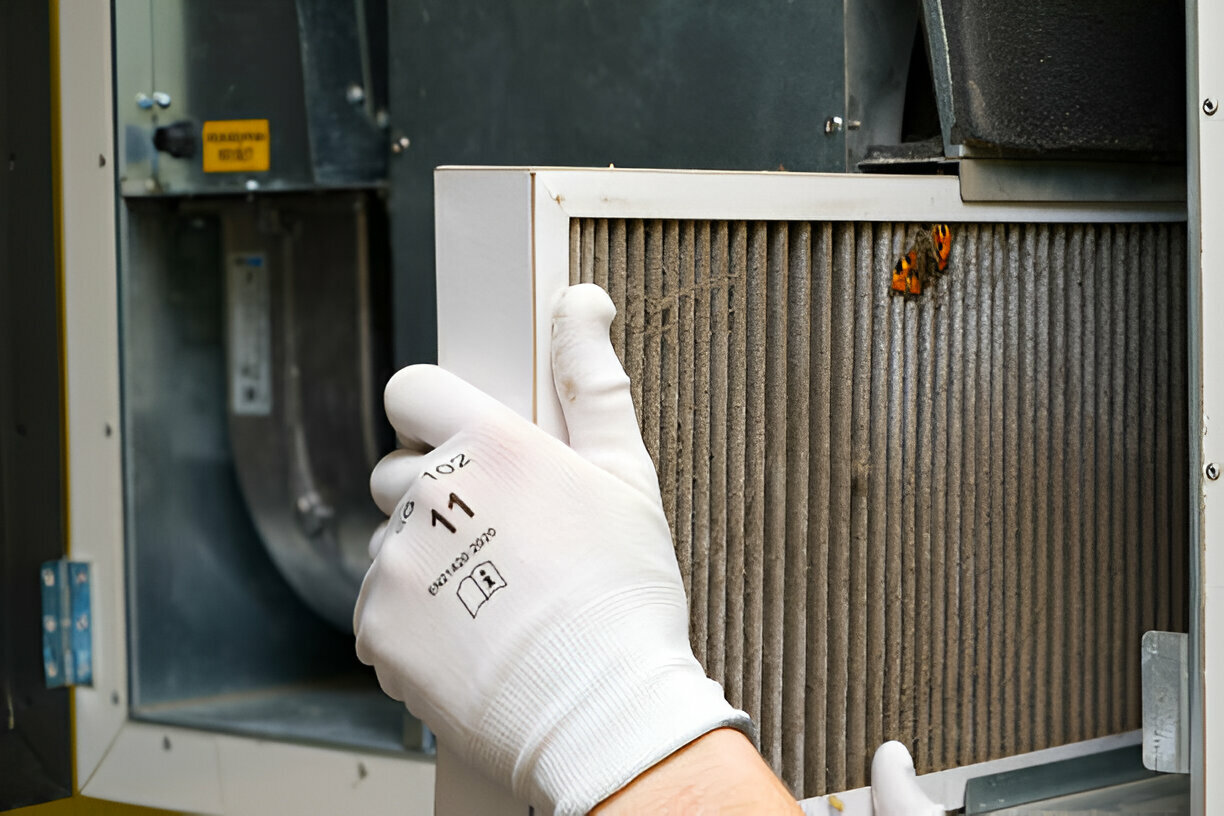
Common furnace failure symptoms in San Bruno homes
Recognizing symptoms early helps avoid bigger problems later. Common signs we see in San Bruno include:
- Furnace won’t start or cycles on and off frequently (short cycling)
- Weak or no heat despite the blower running
- Unusual noises: banging, rattling, squealing, or hissing
- Yellow or flickering pilot flame, delayed ignition, or repeated ignition attempts
- Increased utility bills with reduced heating output
- Frequent pilot outages or faulty electronic ignition
- Odors of stale gas, burning, or persistent cold drafts
- Visible rust, corrosion, or condensation-related leaks near the furnace (coastal salt air accelerates corrosion)
Any sign of soot, persistent gas smell, or symptoms of carbon monoxide exposure (headaches, nausea, dizziness) should be treated as potentially dangerous and addressed immediately.
Diagnostic approach: what a professional inspection covers
A thorough diagnostic narrows down the root cause quickly. Expect a professional inspection to include:
- Visual inspection of the furnace cabinet, burners, heat exchanger, venting, and flue for cracks, corrosion, or blockages
- Thermostat and control system checks, including wiring and sensor operation
- Gas valve, pressure, and supply checks for gas-fired units to confirm safe fuel delivery
- Electrical system inspection: capacitors, relays, transformers, motor voltage and current draw
- Combustion analysis where applicable to ensure proper fuel/air mix and safe exhaust venting
- Blower motor and wheel inspection, airflow measurement, and ductwork assessment for airflow restrictions
- Diagnostic codes read from control boards on modern furnaces
Technicians will explain fault findings in plain language and outline repair options with likely outcomes.
Typical repairs and parts replacement
Common repairs made during furnace service in San Bruno include:
- Ignition system repairs: replacing faulty ignitors, flame sensors, or pilot components
- Replacing or cleaning burners and addressing combustion issues
- Heat exchanger repair or replacement when cracked or deteriorated (critical safety item)
- Blower motor replacement, belt replacement, or capacitor swaps to restore airflow
- Replacing control boards, thermostats, sensors, and safety switches
- Sealing or repairing venting and flue systems to prevent exhaust leaks
- Fixing gas valves, regulators, or addressing intermittent gas supply issues
- Replacing condensate traps or drain lines on high-efficiency furnaces
Parts are selected to match the furnace make and model. In coastal areas like San Bruno, corrosion-resistant components and protective coatings are often recommended.
Emergency repair protocols
For emergency furnace failures—especially those involving gas odor, combustion issues, or risk of carbon monoxide exposure—emergency protocols prioritize safety:
- Immediate site assessment and containment of the hazard (ventilation, gas shutoff)
- Temporary measures to restore safe operation when possible, such as bypassing a failed sensor while arranging a permanent repair, or providing safe heating alternatives during repair scheduling
- If a heat exchanger is compromised or there is an active gas leak, the unit will be taken offline until a safe repair or replacement is completed
- Clear communication about risk, next steps, and estimated timelines
Emergency response often includes on-site testing to confirm the system is safe to use before leaving.
Transparent pricing and estimates
A trustworthy repair process includes clear, itemized estimates. Expect:
- A documented estimate that breaks down diagnostics, labor, parts, and any permit or disposal fees
- Pricing tiers for common repairs and an explanation when a repair may be less cost-effective than replacement
- Disclosure of warranty coverage for parts and labor associated with the repair
- If an in-home estimate is required for complex issues, the diagnostic visit cost and how it applies to the final repair price should be explained up front
Transparent estimates help homeowners in San Bruno make informed decisions that balance immediate needs and long-term value.
Technician credentials and repair warranties
Qualified technicians provide peace of mind. Look for:
- Proper licensing, manufacturer certifications, and ongoing training on modern furnace controls and safety protocols
- Background-checked technicians who follow local building and gas codes
- Written warranties on labor and replacement parts; common warranty periods vary but should be documented and explained
- Clear documentation of work performed, serial numbers of replaced components, and maintenance recommendations for future care
Quality technicians will also advise on efficiency upgrades and replacement options when repairs are no longer cost-effective.
When to repair vs replace in San Bruno
Repair is typically the right choice for isolated failures on well-maintained systems. Consider replacement when:
- The furnace is older than 15-20 years with frequent breakdowns
- Heat exchanger failure or widespread corrosion from coastal exposure is present
- Repair costs approach a significant portion of replacement cost, or efficiency losses are driving high energy bills
- Home comfort needs have changed and a modern, high-efficiency furnace or alternative heating solution would deliver measurable savings and performance
A clear comparative estimate for repair versus replacement helps San Bruno homeowners weigh short-term fixes against long-term investment.
How to request furnace service online or by phone
To request service, prepare the following information so your appointment can be scheduled efficiently:
- Address, unit location (garage, closet, basement), and preferred access instructions
- Furnace make, model, and approximate age if known
- Clear description of symptoms, any error codes displayed, and when the issue began
- Any safety concerns such as gas smell or suspected carbon monoxide symptoms
Most service providers accept requests via an online service form or by phone. After your request, expect a confirmation that includes an arrival window, the technician’s credentials, and any inspection or diagnostic fees explained in advance.
Maintenance tips to avoid future breakdowns
Regular maintenance reduces emergency repairs and extends equipment life:
- Annual tune-ups before the heating season: combustion tune, motor lubrication, filter change, and safety checks
- Replace or clean filters every 1-3 months depending on usage and indoor air quality needs
- Keep the area around the furnace clear and ensure outdoor vents are unobstructed from debris and vegetation
- Consider a service agreement for scheduled maintenance and priority response during cold weather
Furnace repair in San Bruno, CA should leave your home safe, warm, and energy-efficient. Proper diagnosis, transparent estimates, credentialed technicians, and documented warranties are the foundation of dependable service in this coastal Bay Area community.
Service Areas

